Sangiovese lovingSue shows off her purple teeth: we asked these three after a practice for the US Wine Tasting Team!
“Sassicaia, Sassicaia, all they want is Sassicaia!” wailed the young sommelier from China during a tasting lab of Sangiovese and other Italian indigenous grapes during the VinItaly Wine Ambassador Course in Los Angeles in February 2019.
“How can I get them to try something else?” she asked plaintively. The group of wine professionals gathered weighed in, but none of the suggestions seemed to click. Continue reading →
I’m not ashamed to say that I appreciate taking a moment to taste, pay attention to, and reflect on a particular grape and the wine made from it. I’m grateful for the samples that make it easier and an online community with which to share them.
But in the best events, it’s not just about the wine, but about the connection, Paul reminds us, and a connection that’s not just my lips to my glass kind of connection but to an experience. An experience with your family– family by blood, by marriage, by choice along with a connection to the “one wine world.”
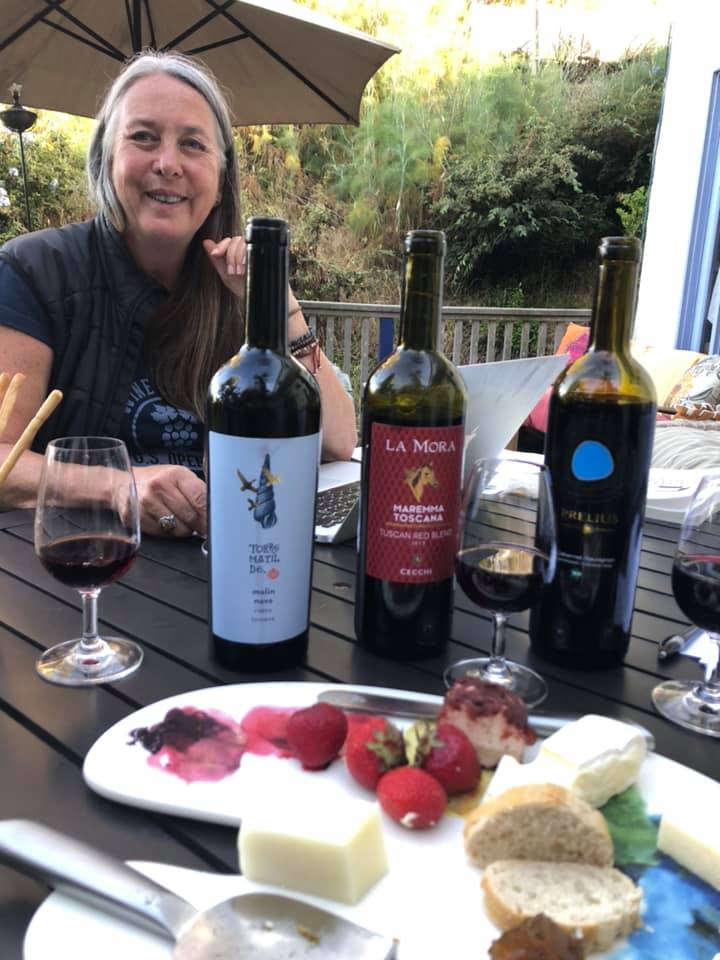
As you can imagine, an important member of my chosen family is Sue Hill. Continue reading →
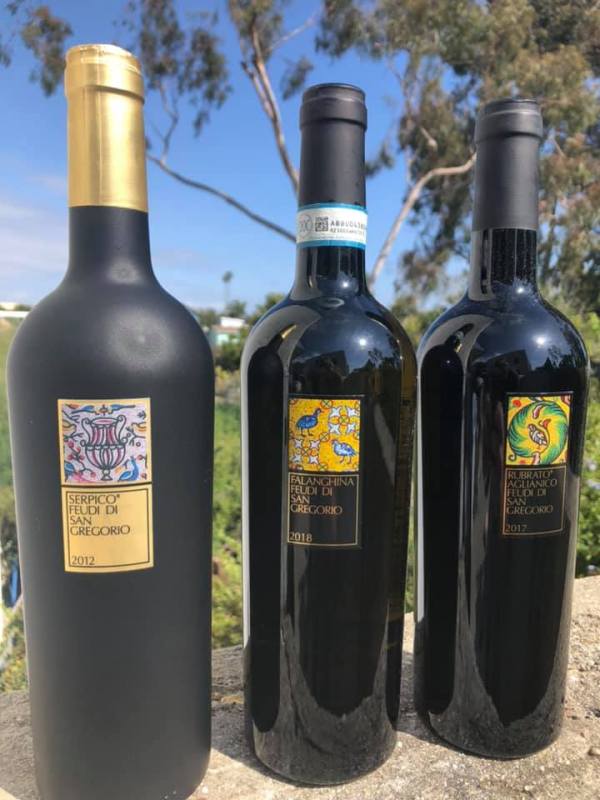
Campania — pronounced like lasagna — is the Roman name for the coastal areas of Italy located on the “shin” of the boot.
“Campania” means happy, blessed fertile valley, and indeed it is: the soils are rich and fertile because of volcanic activity in the region from Mount Vesuvius including the AD 79 eruption that buried Pompeii under 13-20′ of ash, pumice, and rubble.
Ancient Greeks between the 8th and 7th centuries BC. arrived, and they observed the local viticulture being practiced, and they called them “the people who have vines on poles.” Continue reading →
Looking for some of Italy’s most interesting and exciting wines? Look no further than eastern Italy near the border with Slovenia says Italian wine expert Ian D’Agata.
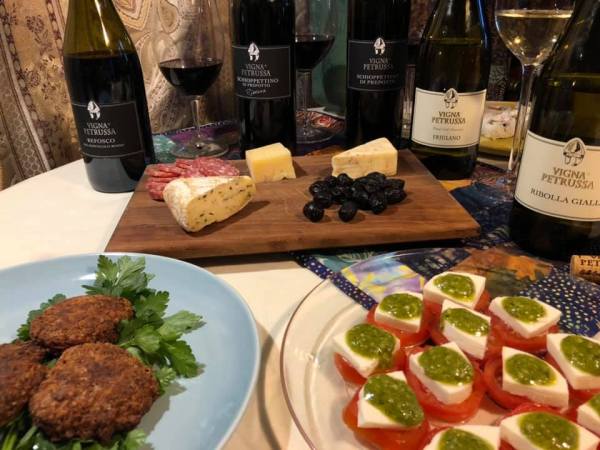
Based in the Friuli Venezia Giulia region of northeast Italy, Vigna Petrussa, says renowned Italian wine expert Ian D’Agata is “one of Italy’s best and most under the radar estates.”
When you look at a bottle of wine, what do you see on the label?
You’ll see information on who made it, the country and region where it came from, the amount of alcohol in it, and usually you’ll find the vintage as well as a bit of misc info like whether or not it is certified as organic or biodynamic.
What you’re not likely to find is whether or not the wine is made by a cooperative a number of smaller producers band together to pool their resource in order to make a more affordable product.
2020 is barely a week old, but as I’m calendaring the year’s prompts for #ItalianFWT, #WinePW, #Winophiles, winemaker lunches and trade tastings in LA as well as other activities like the Wine Media Conference in Oregon and wine travel to Europe and South America, I’m reflecting on what we accomplished here on Wine Predator in 2019– and trying to decide what to submit for the Born Digital Awards (see what articles I submitted to the Millesima contest here).
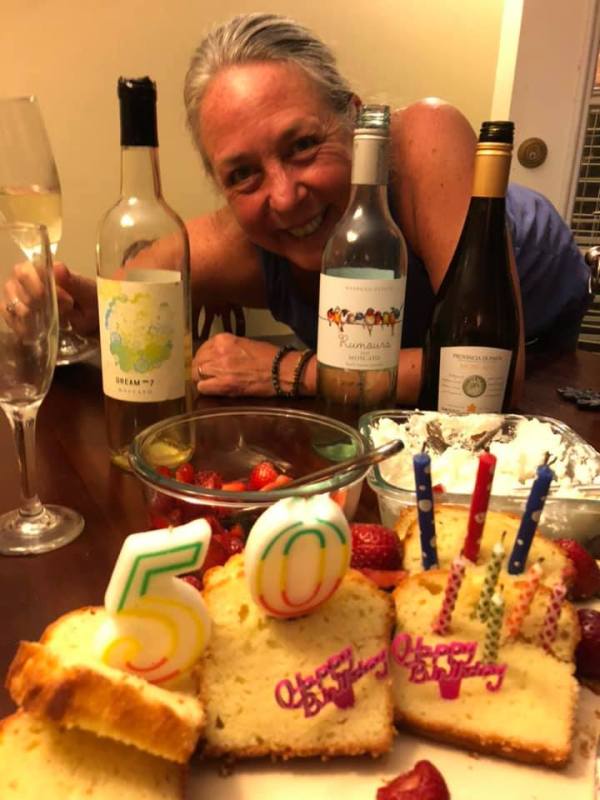
I’m not really sure how we found the time, but Sue and I participated in EVERY SINGLE monthly prompt for Italian Food Wine Travel aka #ItalianFWT, Wine Pairing Weekend aka #WinePW, and the French Winophiles #Winophiles.
Time’s always moving on. Nothing can stop it. The question is whether we use our time well or not. We can't do anything about the past, but what happens in the future depends on what we do now. We can create a happier future by remembering that in being human we are all the same.
We joined wine bloggers and influencers from around the world but mostly from the US as we tasted and wrote about wines together following prompts that the group developed and organized sometimes with samples, and sometimes not.
Here on Wine Predator, that means 36 posts altogether at 15-20k words each! That’s the word count of a good sized book!
For almost every single article, I researched the region, the wine, the winery, and Sue and I both researched the cuisine to come up with menus and pairing ideas. Continue reading →
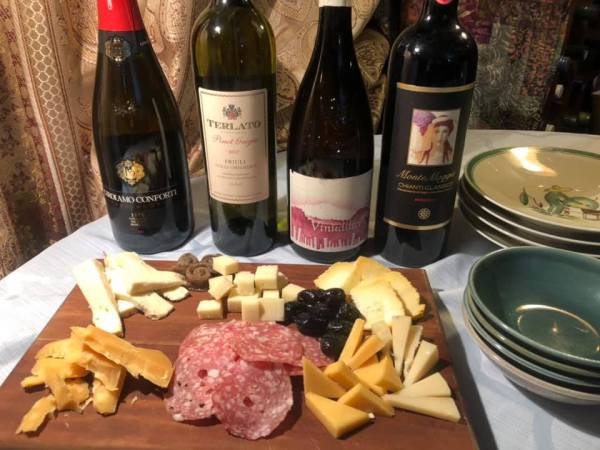
From Franciacorta in the north in Lombardy and Friuli in the northeast to Toscana in central west and Sicily in the southwest, Italy is full of wines to discover. With over 2000 indigenous grapes grown in the 20 regions, the range of wines and expressions makes getting to know and understand Italian wine an interesting challenge as I discovered last year during the VinItaly Wine Ambassador Course.
Think it’s time to tune up your Italian wine game in 2020?

 wine predator.............. gwendolyn alley