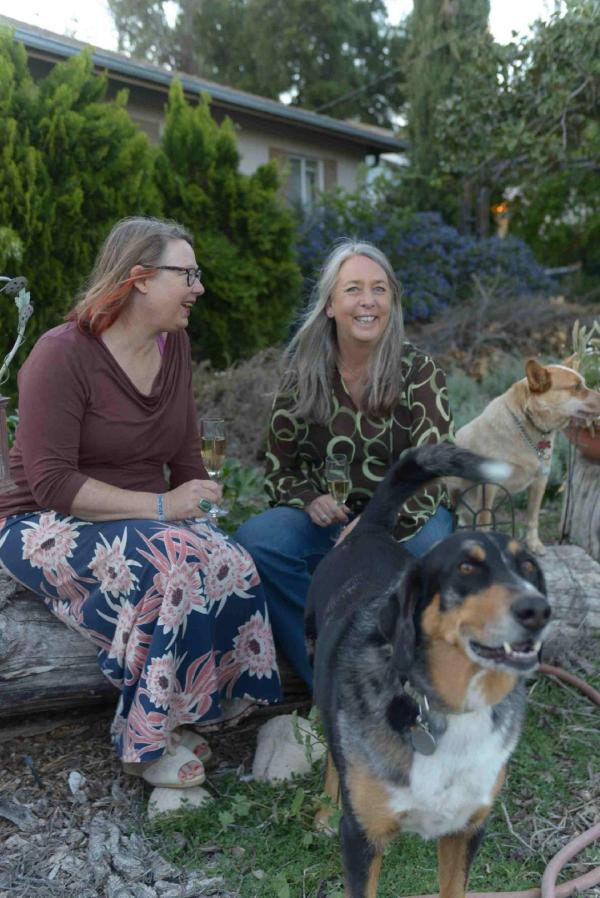
Two California girls, Gwendolyn Lawrence (Alley) and Sue McLaughlin (Hill) met through Girl Scouts at age 12. They both loved nature and being in the outdoors especially rock climbing, sailing, hiking, camping, and backpacking. They went on many adventures together, they cooked together, and they cared for the planet together.
Some things never change.
Wine Predators: Gwendolyn Alley, Sue Hill plus Kingston and Cisco
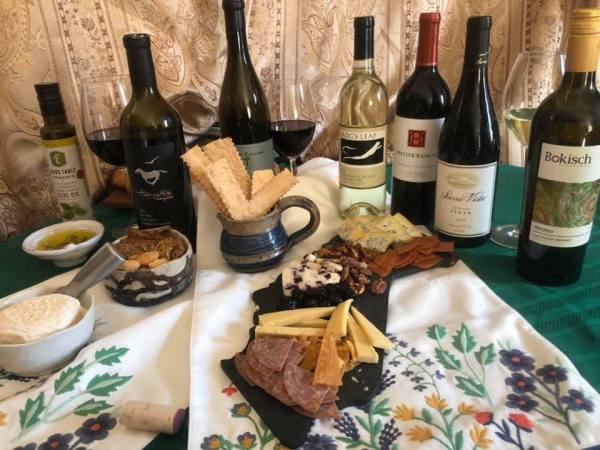
Fast forward a few dozen years, and Sue and I reconnected. We both still loved the outdoors, and cooking, but we’d both discovered a passion for wine: Sue worked at a tasting room and I wrote about wine here on this blog.
For the past seven years during the time we’ve been working together, it should come as no surprise that how grapes are grown and how wine is made has been as important an element to us as how the wine tastes and what food we’re pairing with it.
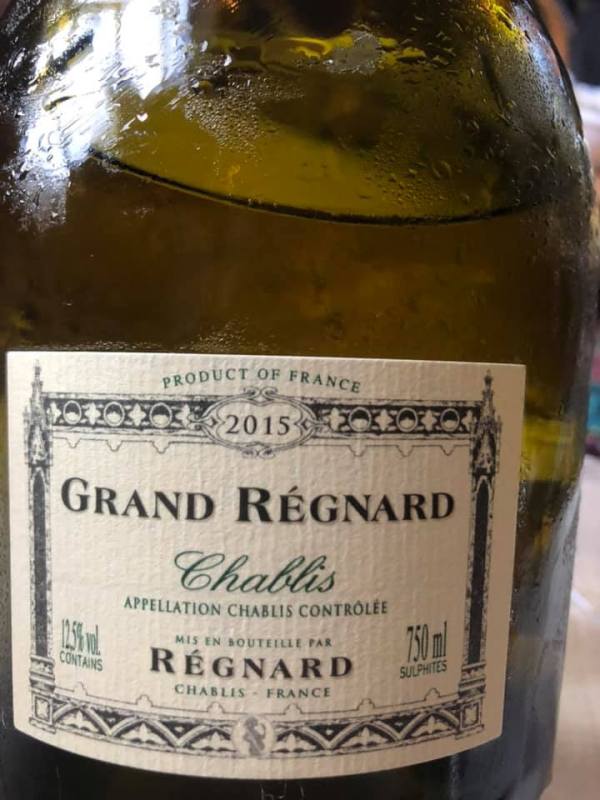
Growing up I remember seeing big gallon jugs of Chablis wine around my grandfather’s cellar and at the grocery store– right there next to the “Hearty Burgundy” and “French Colombard.”
Clearly Chablis was a white wine — but exactly what white wine was in that bottle?
While yesterday was Malbec World Day, the entire month of April is #MalbecMonth, so you still have plenty of time to enjoy a Malbec from Argentina.
Why April? Malbec from Argentina is celebrated on April 17 because that is the day in 1853 when Argentina’s wine industry transformed by the invitation of French soil expert Michel Aimé Pouget who showed how to adapt French varietals, including Malbec, to Argentina. Malbec World Day was created by Wines of Argentina “to position Argentine Malbec as one of the most prominent in the world. Every April 17th, and throughout the whole month, different activities are carried out in the main cities around the globe to celebrate the success of our flagship grape.”
Five fun facts about MALBEC in Argentina:
37.53% of the red wine grapes planted in Argentina are Malbec
21.40% of the total cultivated area in the country is Malbec.
163% increase in plantings of Malbec since 2000 (equivalent to 26,653 ha / 65,862 acres)
85% of Argentinean Malbec is grown in Mendoza
leader in volume, quality and exports of Malbec since 2011.
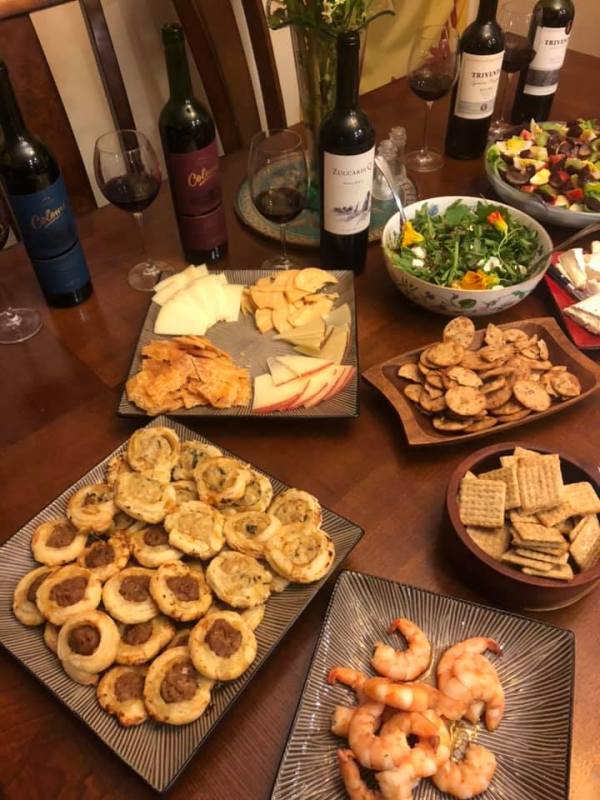
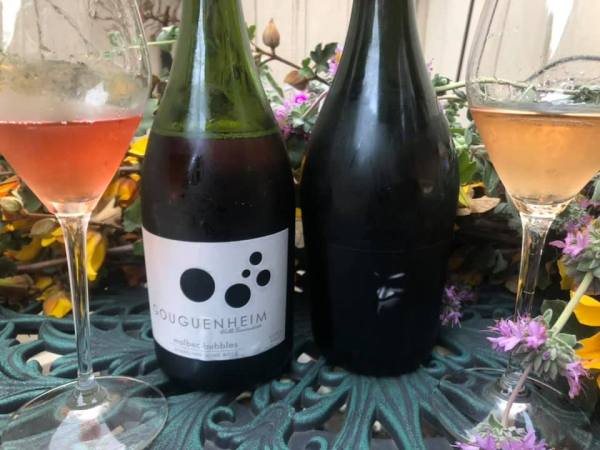
While Malbec is a wine to enjoy all year around and is grown all around the world, Malbec World Day on April 17 is THE DAY of the year to take a moment to appreciate Malbec, and specifically, Malbec from Argentina. To celebrate Malbec World Day, eight members of the Ventucky Wine Tribe gathered at Drummer Diane’s to pair Argentinean inspired cuisine with eight Malbec from Argentina: six red still wines and two rose sparkling wines! We started off with one rose sparkler and closed the evening with the other with dessert.
This post is about the two bottles of bubbles, and the next is about the six bottles of still red wine, plus five fun facts about Malbec from Argentina.Continue reading →
There was a lot Steiner and his compatriots did not know in 1924. What they did know was that the new chemical farming strategies that were taking over the world were destroying the land and our food. They may not have known why, but they knew something was wrong. At least they had the courage to seek a solution.
Our job as biodynamic farmers is to continue the experiments as he requested until we find why biodynamics works, which it does.
There is something clearly working here and in the face of climate change we better figure out what works.
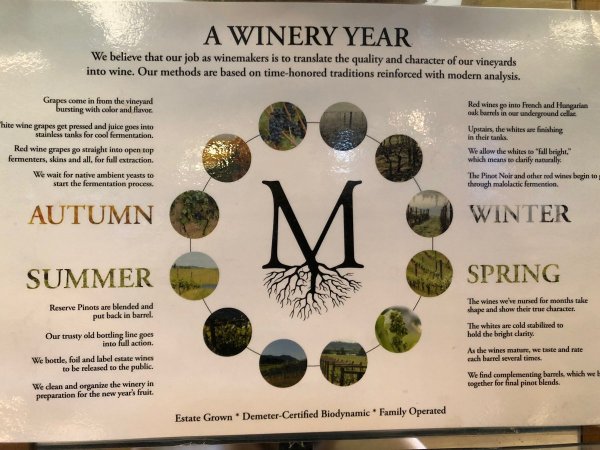
Striving for Demeter certification is like a jazz musician practicing scales over and over again. It is only after they master their instrument that they can improvise and truly create something new.
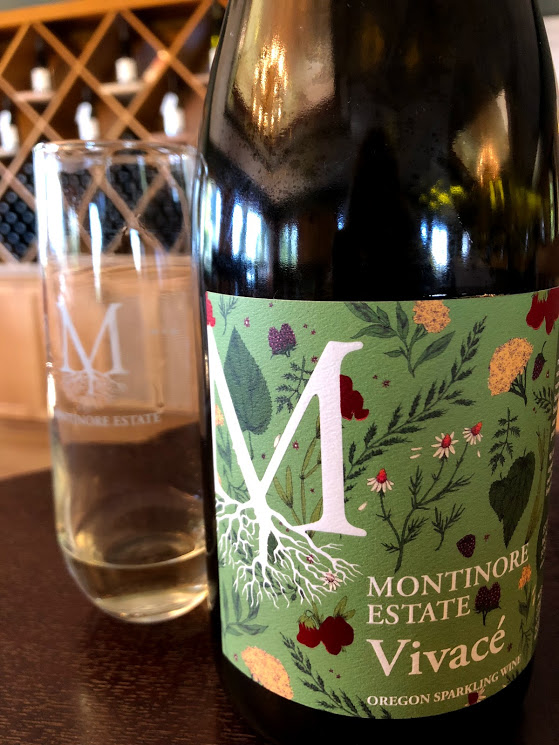
Sampling Montinore’s biodynamic bubbles in their Oregon estate tasting room near Portland
Monday April 22 is Earth Day, and the whole month of April is Earth Month.
So what should you be drinking to celebrate? How about biodynamic wine? We’ve got a bottle of biodynamic bubbles from one of the world leaders in biodynamics, Oregon’s Montinore Estate, that we recommend you toast with (see below).
Most people know that Sicily is the ball at the tip of the toe of the boot of Italy. While only three miles separates the island of Sicily from the mainland of Italy, Sicily has long had its own separate culture — and
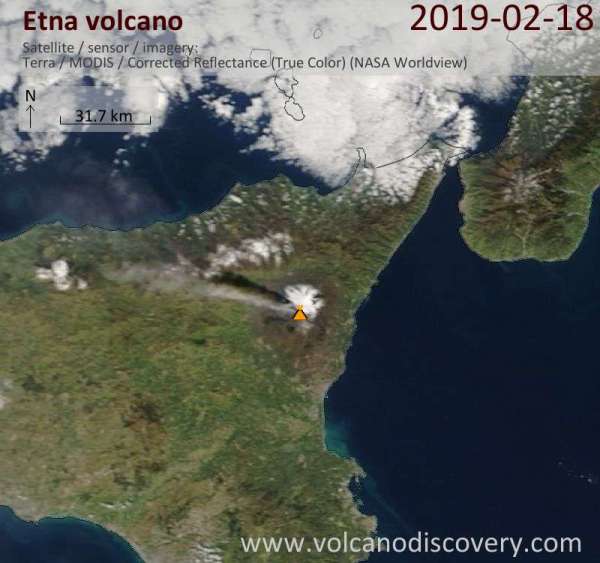
Sicily has 68% indigenous vines that thrive along the coasts and on the slopes of the most active volcano in Europe, Mount Etna, which set off a plume of ash on February 18, 2019:
As I learned during from Vinitaly’s Italian Wine Ambassadors course in Los Angeles this February, Continue reading →