#MerlotMe, #Blogtober, #Sobertober, #VanLife, #100 for 2020

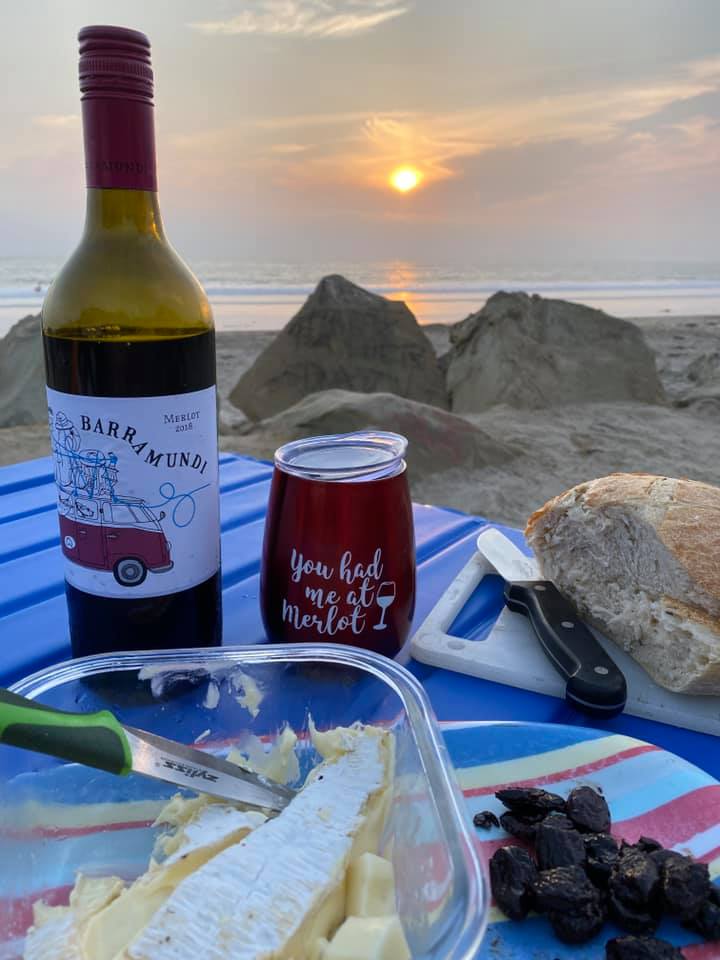
Sunset on the California Rincon, Ventura County

As if 2020 wasn’t challenging enough, I’ve decided to participate in Blogtober and Sobertober. October is also #MerlotMe, and yes I’m participating in that, too. 

October is #MerlotMe. Stay tuned for more Merlot!

Blogtober is where participants try to blog every day in the month of October. Today is October 4, and this is my fourth blog post this month so so far so good. Continue reading

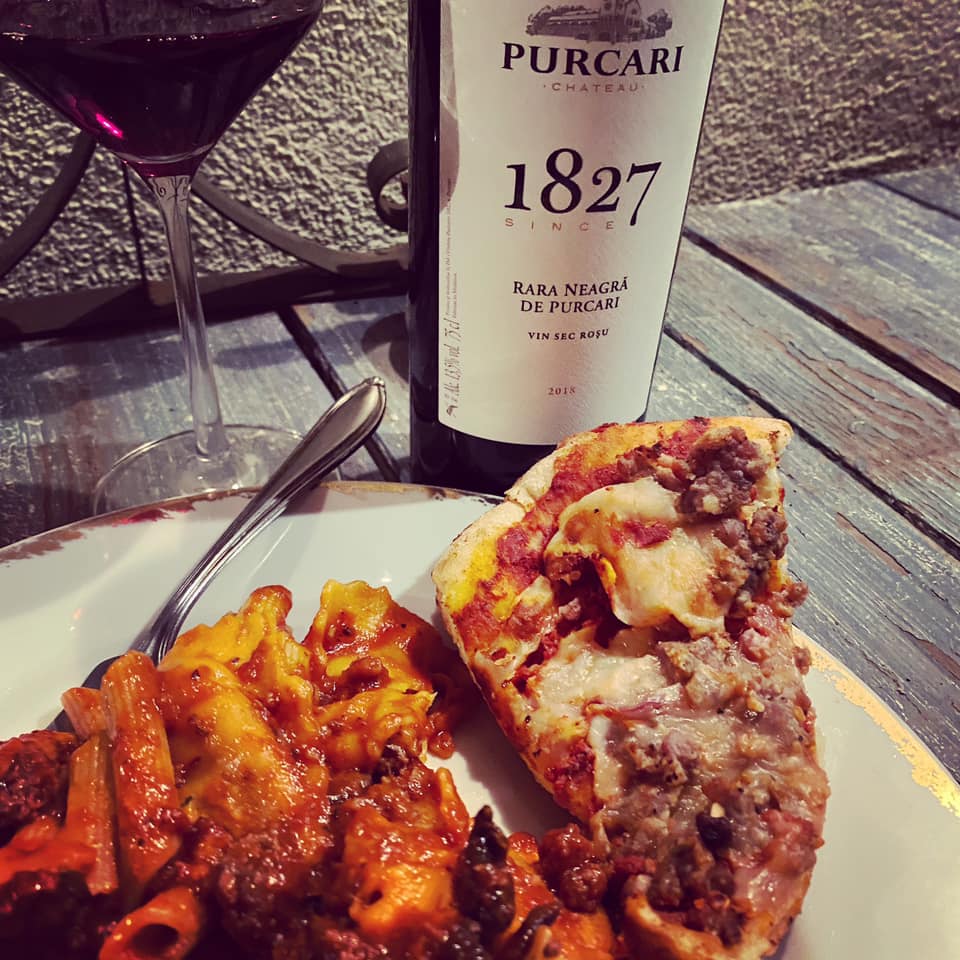
Meet Moldova: 2018 Purcari 1827 Rară Neagră de Purcari Vin Sec Rosu Paired with Pasta #WorldWineTravel

look at that color!

In 2020, much is on my radar that was not in 2019.

Much of it bad.

But like the Wines of Moldova which we first tasted and wrote about in July, some of it is good.

In fact very good!

And because we now live in a virtual world there are more opportunities to learn than ever before about smaller less well known wine regions of the world.

Like Moldova which is celebrating Moldova Wine Day today, October 3 and tomorrow, October 4, with webinars, twitter chats and more (see below).

So where is Moldova and why do you need to get these grapes in your glass?

Continue reading

Meet Mt Etna’s Volcanic Wines: Sicily’s Tenuta Monte Gorna and Tenuta di Fessina with pairings #ItalianFWT

For Tenuta di Fessina owner Silvia Maestrelli, “I look up to Mount Etna like a daughter would look up to a mother.”

Or possibly a phoenix.

Like a mother, Mt Etna or A Muntagna, as the locals refer to the mountain, is a living organism.  Ash, dust, and smoke from Etna, at 11,000′ the highest active volcano in Europe, give the region its distinctive volcanic soil which brings unique flavors, styles, and character to the wines grown there.

Winemaking in Sicily goes back to 4000BC. The Greeks developed viticulture there brought in the 8th century B.C, and with its central location in the Mediterranean, it’s no surprise that The Phoenicians and the Romans traded Sicilian wines which led to their renown.

Located between two ancient lava beds, the volcano and Tenuta di Fessina together create a unique micro climate. In the village of Rovittello, the winery has vineyards on different sides of the mountain, in Rovittello and between Milo and Santa Maria di Licodìa.

Continue reading

Primitivo: Godfather of Zin? Part 1: Di Arie and An Invitation #ItalianFWT

First celebrated in 1989, Italian American Heritage Month each October honors and recognizes the centuries of achievements and contributions of the Italian immigrants and Italian Americans. Between 1820 and 2000, over five million Italians immigrated to the United States between 1820 and 2000 bringing with them a rich cuisine, and a tradition of growing grapes and making wine.

Today 26 million Americans of Italian descent live in the United States making Italian-Americans the fifth largest ethnic group in our nation, according to the Order of the Sons and Daughters of Italy and they will be celebrating all month. Here‘s a list of festivals. Continue reading

“Fugues on the Farm” feature in VC Reporter

Check out my cover article “FUGUES ON THE FARM | A HARVEST SERENADE COURTESY OF MUSIKARAVAN” for the VC Reporter — with a photo I took on the cover! It’s in this week’s paper, on stands yesterday September 24, 2020.

Unfortunately they did not include any of the video clips I sent them in the digital edition, but you can find some of the violin in the vineyard Continue reading

Rhône Roam #4: Rare Roussanne with Scallops, Crab Risotto, Oysters, Salad #CaliforniaWineMonth

Not familiar with Roussanne? No surprise –it’s really rare!

According to the California Grape Acreage Report 2019 Summary only 323 acres of Roussanne are grown in Continue reading

Rhône Roam #3: Crozes-Hermitage Is Syrah, Condrieu Equals Viognier — Paired with Fish Dishes #Winophiles

YuEn Gemma Kim, violinist, soars above and stays socially distant from my fish dishes paired with two wines from the northern Côtes du Rhône, France.

The Rhône River Valley in southeastern France is a BIG place: 165K acres of BIG, and about 150 miles from north to south. About 5% of this region is considered “northern Rhône” featuring Syrah and Viognier, and 95% is “Southern Rhône” featuring Grenache and an assortment of other red and white grapes including Mourvedre, Cinsault, Marsanne, and Rousanne (which I will be writing about next week). The smaller northern region has a more moderate continental climate with a focus on Syrah with fresh acidity; the southern is more mediteranean and warm and allows challenging grapes like Mourvede to ripen. Continue reading