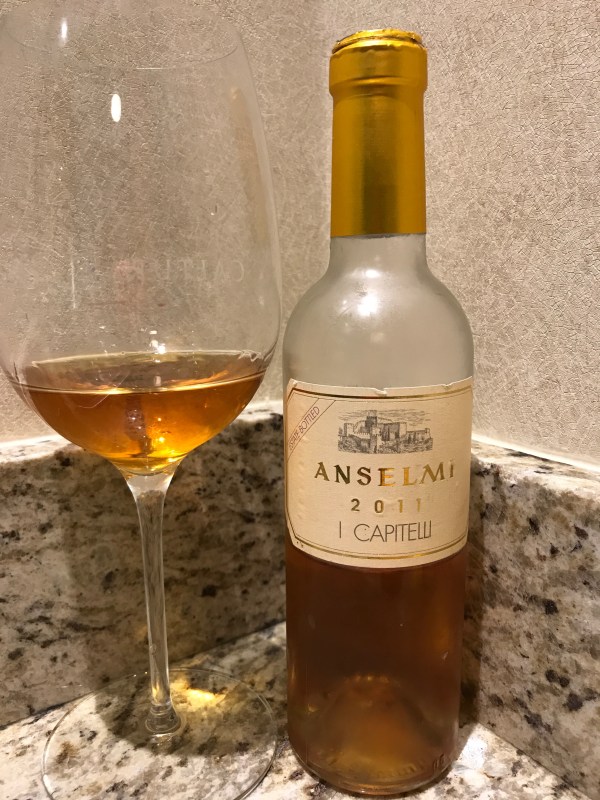
For this month’s Italian Food Wine Travel prompt about Sweet Wine from Italy, we decided to keep to do something different and keep it simple! As regular readers know, we usually go ALL OUT with multi course meals and several wines for our regular monthly features about Italian wine and food on the first Saturday of the month, a general prompt for wine pairing on the second Saturday, and French food and wine on the the third Saturday of the month.
But this time, partly because of our busy schedules, we decided to just let the wine shine and so Sue picked up a chocolate almond tart and a tarimisu torte from Trader Joe’s. Unfortunately, the wine didn’t really play well with these choices.
And honestly, Anselmi – 2011 I Capitelli is so good it deserves to be left alone!
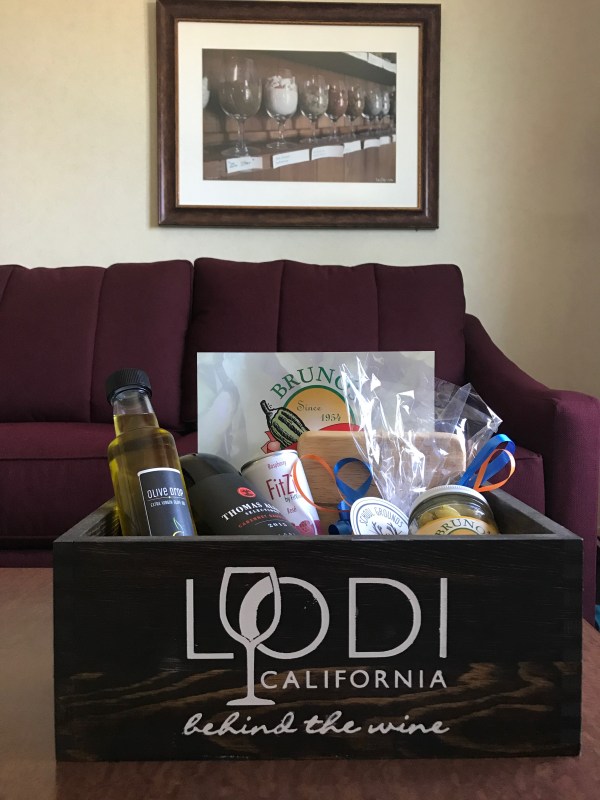
Hello Lodi –again! and no I don’t feel stuck at all — instead I feel grateful! Last summer when I was here in Lodi for the Wine Bloggers Conference, I was suffering a great deal of pain in my heels. Turns out, I had STRESS FRACTURES in both feet following an intense Sierra backpack trip! As you can imagine, I didn’t get out and around as much as I’d like.
And so I am thrilled today to be here in LODI for a “behind the wine” experience!
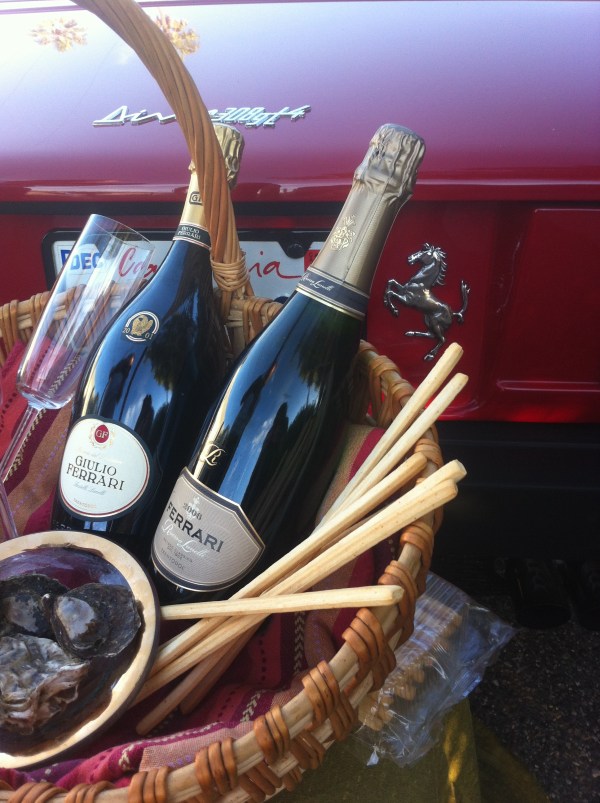
Cheers! Sue and I hosted Italian Sparkling wine in May for B#ItalianFWT
Lots going on here at Wine Predator Land so I thought I’d start the month of June off with a round up of last month and what to look forward in the coming month! In May, I published 14 blog posts (that’s almost one every other day!) and in June I plan to publish 10-12 blog posts (2-3 a week).
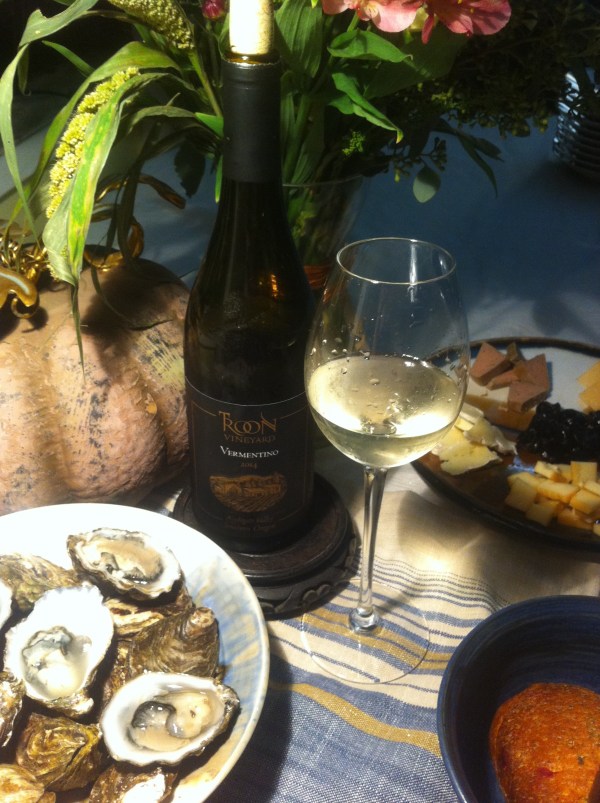
Do you enjoy bright, lively, citrusy, minerally, acidic, refreshing white wines like Albariño, Grüner Veltliner, Sauvignon Blanc, Sémillon, Soave or Verdejo? If so, then you should check out VERMENTINO which, while unusual or rare in the United States, is not so unusual if you are in Italy!
According to Wikipedia, “Vermentino is also known under the synonyms Agostenga, Agostenga blanc, Brustiano, Brustiano di Corsica, Carbes, Carbesso, Favorita, Favorita bianca, Favorita Bianca di Conegliano, Favorita d’Alba, Favorita di Alba, Favorita di Conegliano, Formentino, Fourmentin, Garbesso, Grosse Clarette, Malvasia a Bonifacio, Malvasia Grossa, Malvasie, Malvoisie, Malvoisie è Gros Grains, Malvoisie Corse, Malvoisie de Corse, Malvoisie Précoce d’Espagne, Piccabon, Piga, Pigato, Rolle, Rossese, Sibirkovski, Uva Sapaiola, Uva Vermentino, Valentin, Varlentin, Varresana bianca, Vennentino, Verlantin, Vermentini, Vermentino bianco, Vermentino Pigato, and Vermentinu.” WHEW!
Originally thought to be from France or Italy, today Vermentino grows well and is well known in northern coastal regions of Italy including Marememma (try the one from Cecchi), and the islands of Sardinia, and Corsica in France. The Troon wine vineyards are in the Siskiyou Mountains which are very different than the volcanic soils in the Cascade Mtns.
In the US, Tablas Creek produces a Vermentino and it is grown also in Lodi, for example the 2014 Borra Vineyards Vermentino ($22) or the 2015 PRIE Winery, Delu Vineyard Lodi Vermentino ($21); Alta Mesa-Lodi AVA.
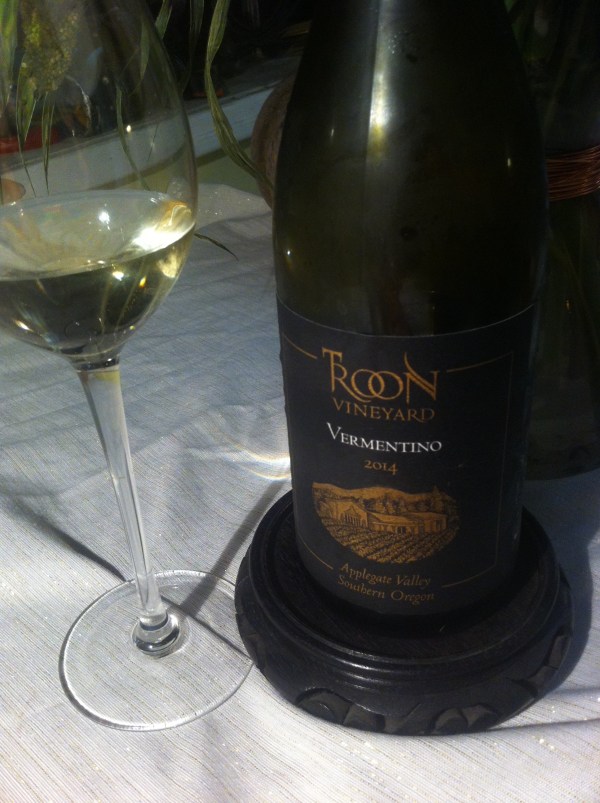
Recently, Sue and I participated in a #WineStudio tasting of Troon’s 2014 Vermentino, and so for this final day of #ORWine month, I offer this post to you. Cheers to Oregon Wine Month! Cheers to trying new wines! Cheers to Vermentino! Continue reading →
While today May 25 is “National Wine Day,” the Thursday before Memorial Day is “Chardonnay Day.”
Which is also today May 25!
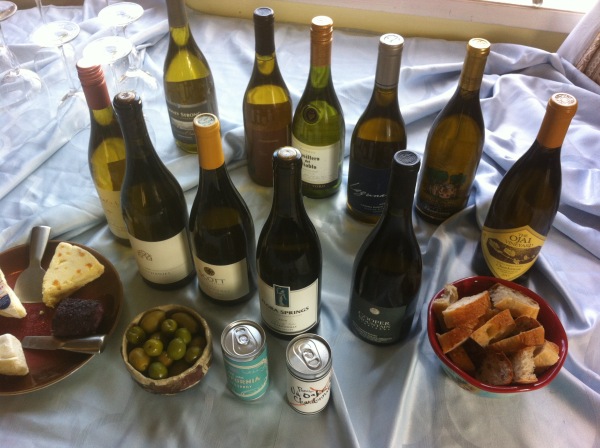
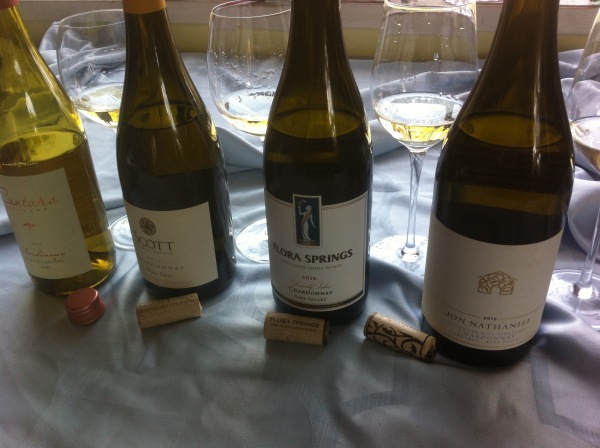
With this double whammy in mind, and since last weekend we focused on Chardonnay from Chablis in Burgundy France, we decided to go for classic California interpretations for Chardonnay Day with two from Napa, one from Monterey, and a fourth from Lodi.
After the movie Sideways came out, sales of Merlot dropped.
Under the influence of Miles, people were turned off by the idea of Merlot; people would even be ashamed or embarrassed to admit to me that they like Merlot!
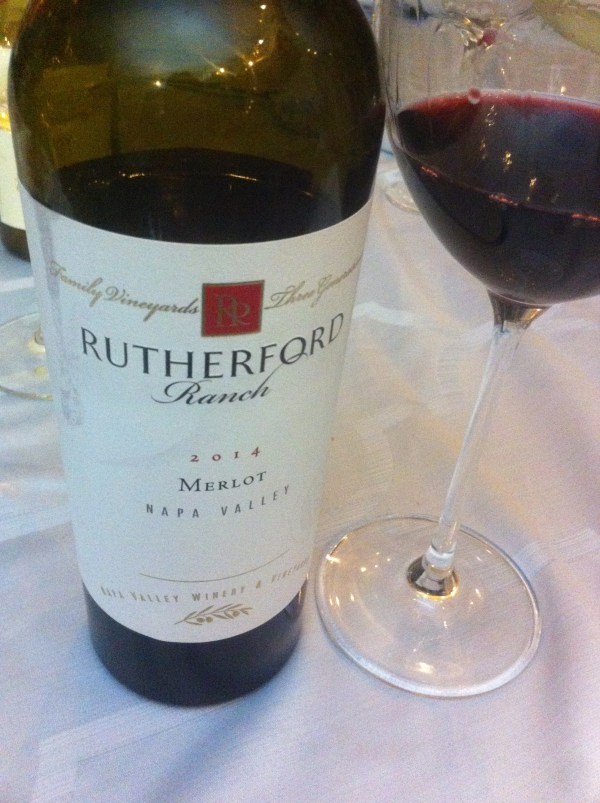
So we thought that for this National Wine Day on May 25, Merlot needs more consideration. And we happened to have handy a recently arrived sample of the 2014 Rutherford Ranch Merlot from Napa Valley!Continue reading →
1) Do you know what your PHILTRUM is, where it is located and what it does??
2) Do you know why a dog or a bear or a cat or another mammal has a wet nose?
(Yes, these two questions are related!)
Wikipedia says: The philtrum or medial cleft is a vertical groove in the middle area of the upper lip, common to many mammals.
Basically, your PHILTRUM is that area beneath your nostrils.
Wikipedia also says: For mammals, the philtrum helps carry sensory information to the brain but the human philtrum has no apparent function.
I’m here to tell you that Wikipedia is WRONG!
If you get your philtrum damp, you will be able to smell more distinct notes– in wine, perfume, food, you name it. That’s why mammals have wet noses: so they can smell better! (Okay not smell better — have you ever smelled a bear? Ugh! No!)
Without water in the air , we wouldn’t be able to smell anything because the molecules are carried along with water.
To have a better sense of smell, get your nose wet! Or at least your PHILTRUM!
If you have a cold or other congestion from allergies, try licking your finger and then sliding it below your nose before you sniff and taste wine and you will know that what I saying is true: having a wet philtrum helps your sense of smell and sing your sense of smell nd taste are dirtily related, guess what? you will be able to taste more intensely!
The philtrum also is the subject of a Jewish myth that has been featured in films. The myth says that angels teach infants in utero all of the world’s wisdom in the world, then an angel lightly taps the infant’s upper lip at birth to keep the child from telling the universe’s secrets. In The Prophecy Christopher Walken stars as the archangel Gabriel who says, rather threateningly, “Do you know how you got that dent in your top lip? Way back, before you were born, I told you a secret, then I put my finger there and I said ‘Shhhhh!'”
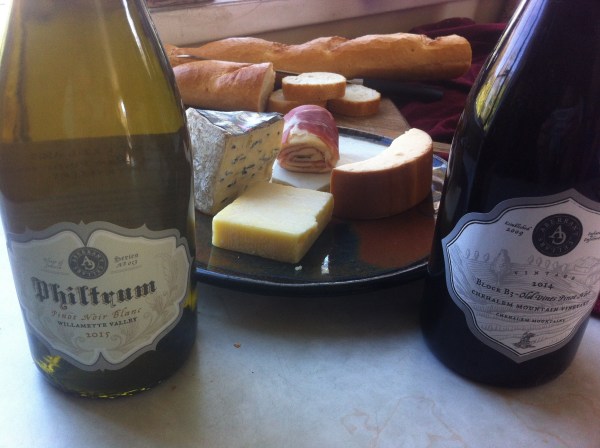
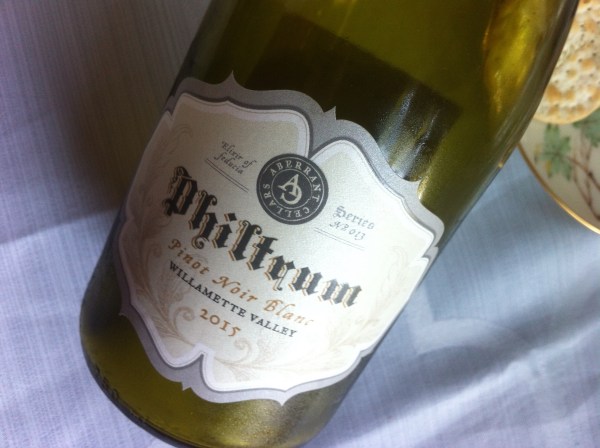
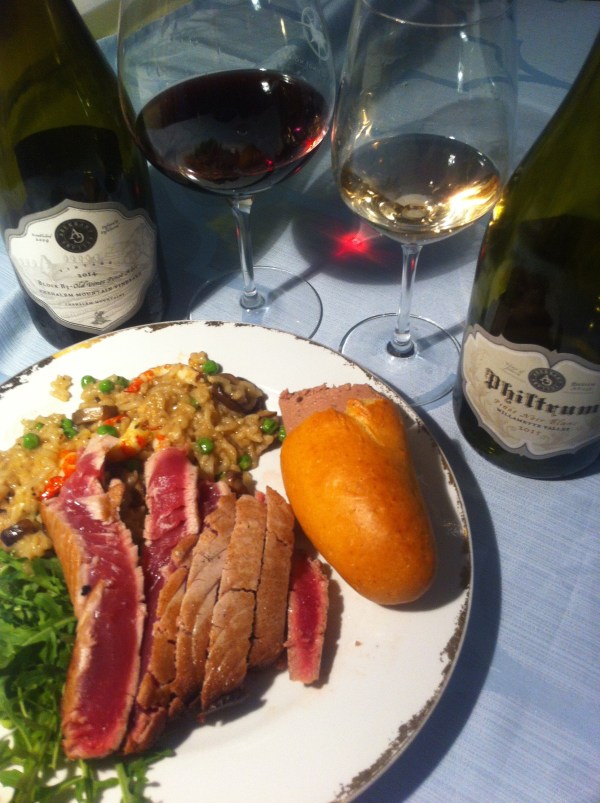
As May is Oregon wine month, I will be posting about wines from Oregon including several interesting whites from two regions of the state, plus Pinot Noir (of course), and we’re starting this off with a wine called… you guessed it: