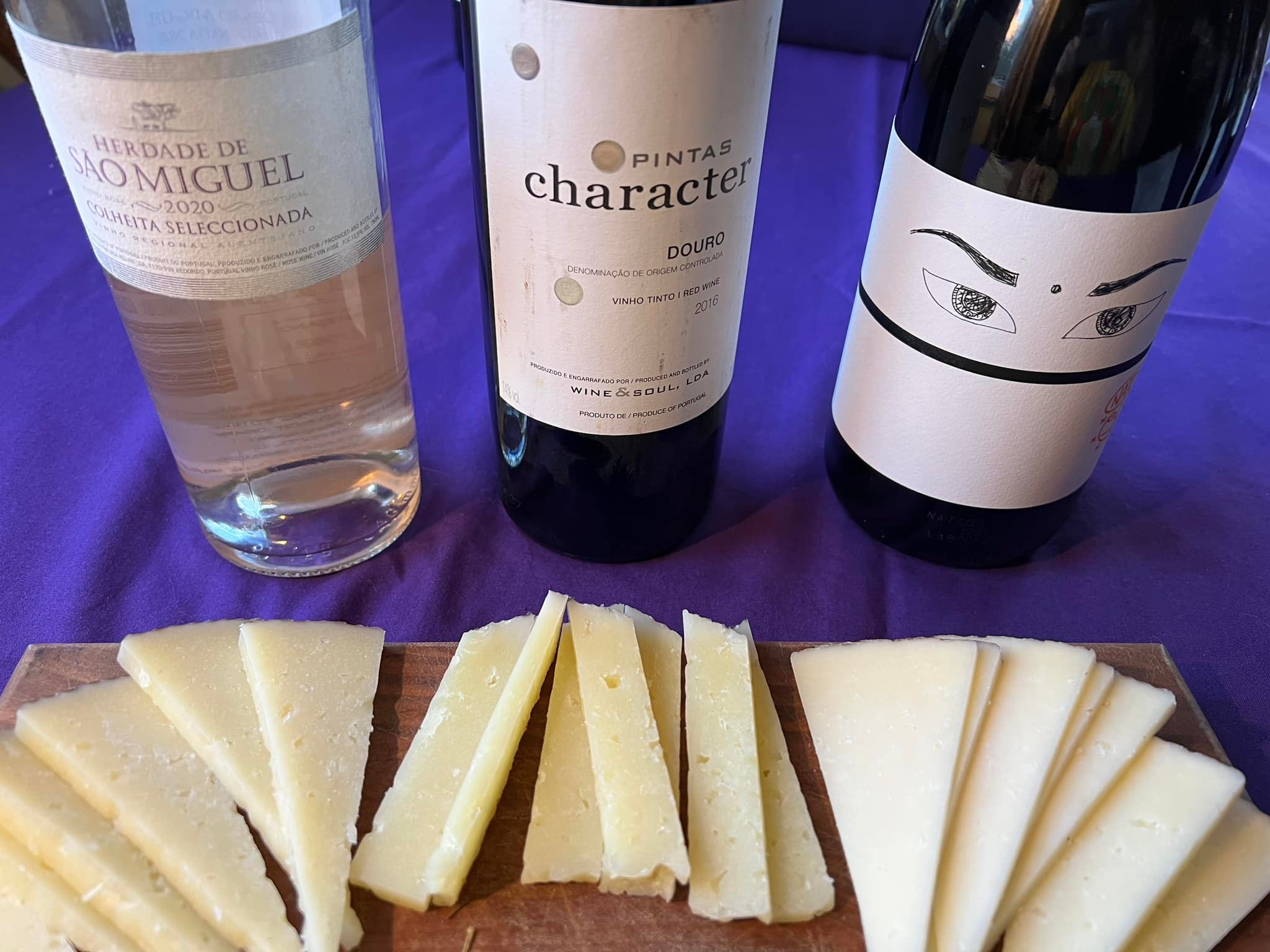
Portugal has an astounding number of native grapes, second only to Italy which often produces mono-varietal wines from its native grapes while Portugal generally plants a few kinds in the vineyard and blends them. Some Portuguese producers make mono-varietal Alicante Bouschet, Touriga Nacional, Antão Vaz, Baga, Loureiro, and others, however, generally Portuguese wines are blends like two of the three we have below and these four from Alentejo.
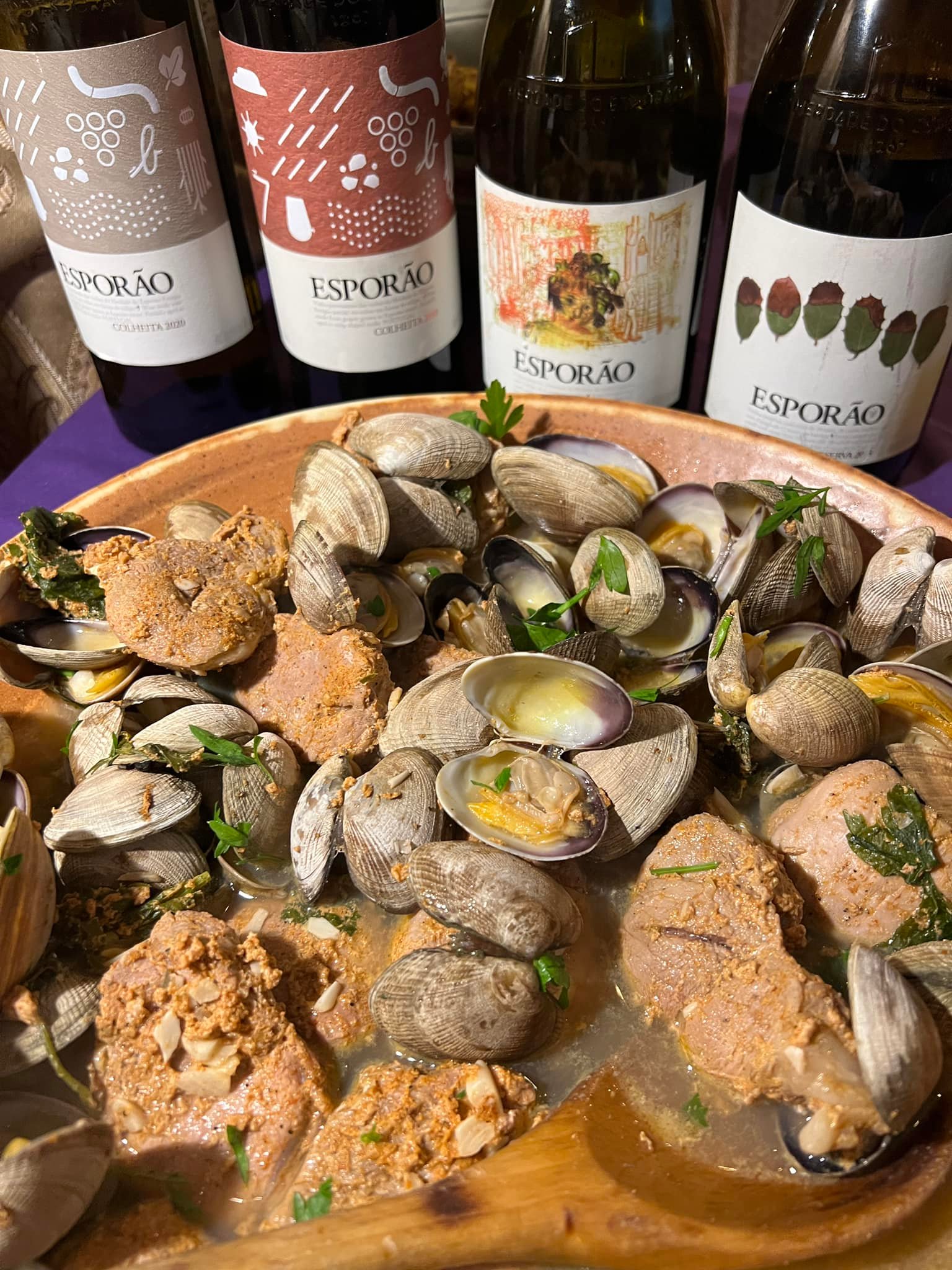
But as we discussed here in “Discover Portugal’s Native Grapes in Esporao Organic Blends Paired Alentejo Pork and Clams,” some of these grapes are better known by their Spanish or international names while others are not known at all. This month, the Wine Pairing Weekend crew of writers investigates wines from grapes that are new to us (scroll down for links!), and since for Sue and I at this point those wines are rare and few and far in between, we decided to focus on Portugal, where we found a wine which is completely new to us– BAGA.
Like other wines from Portugal, Baga is actually really well know to wine lovers of a certain generation: Continue reading →
Riding through the rolling hills of Portugal from Lisbon to Evora in the Alentejo, sleepy from jet lag and struggling to keep my eyes open, listening to my hosts share tidbits of culture and facts about wine along the way, I was startled wide awake when I heard that Portugal Continue reading →
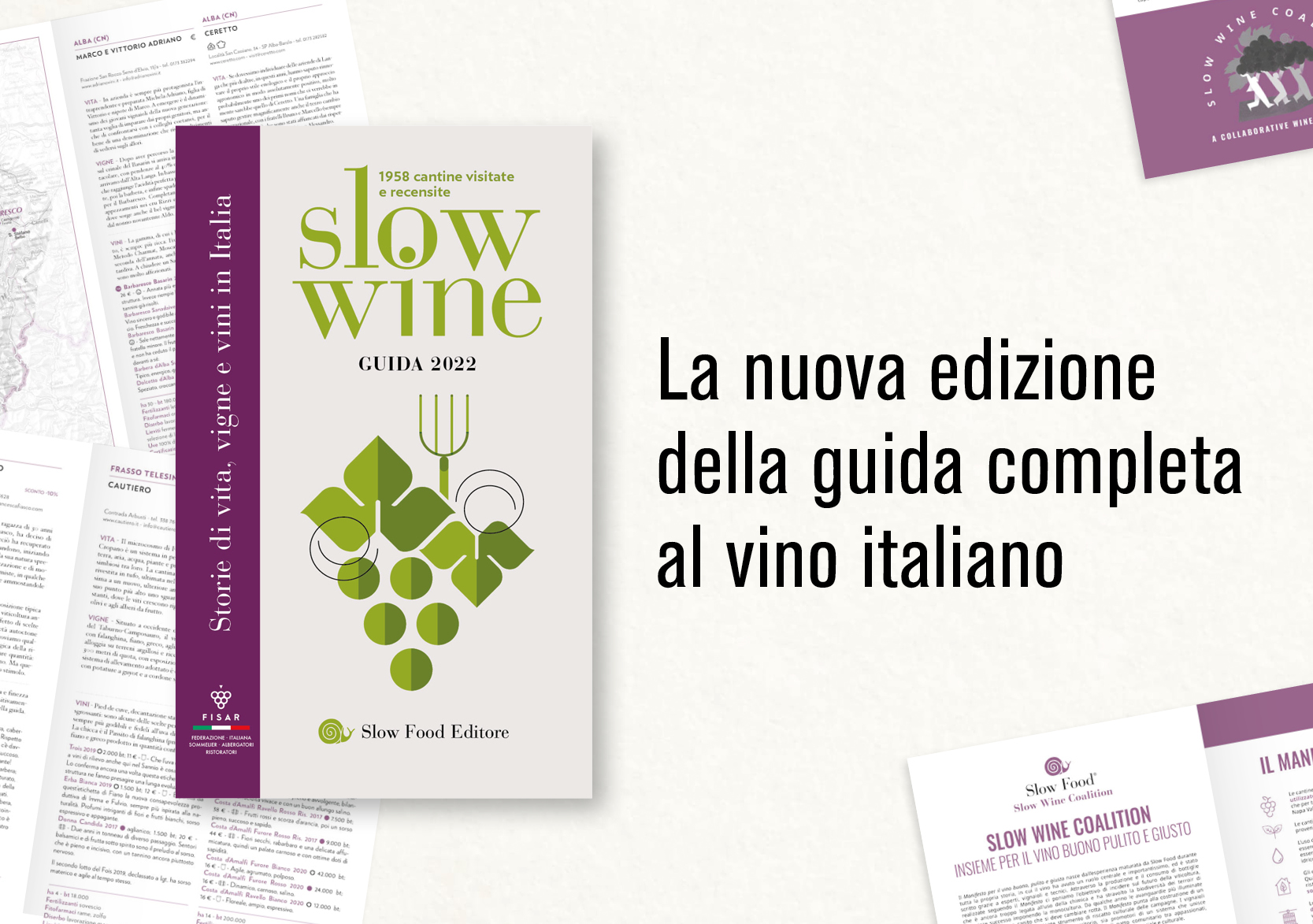
Can food be a bridge to peace? The Slow Wine Coalition, as part of the wider Slow Food network, believes it can: “through inclusion and exchange, we can cultivate a better future together.”
“Speed became our shackles. We fell prey to the same virus: ‘the fast life.’”
How do we find peace and freedom? Slow down! Share organic food and wine!
Our 3 main objectives? 🐌 Defending biological & cultural diversity; 🐌 Educating & mobilizing the world around us; 🐌 Influencing public decision-makers & the private sector. 👉 Join us if you too believe in the #joy of food as a #catalyst for change! https://t.co/i7JPa55xtApic.twitter.com/jbYCWOiGXi
On her 160 hectare farm in the Maremman Hills in southwestern Tuscany, Fattoria La Maliosa’s owner Antonella Manuli makes natural wine using indigenous grapes that have been certified organic and biodynamic since 2010. She also holds the patent for the Metodo Corino, a regenerative agricultural method which, while similar to biodynamics, uses no animal products.
What exactly does all that mean? What’s the difference between wine that is organic, natural, biodynamic, or not? This is the question Italian Food Wine Travel group of writers is exploring this March with host Katarina Andersson.

 wine predator.............. gwendolyn alley