Here on Wine Predator, we are excited to share two organic Lambrusco from Bugno Martino, Rosso Matilde, and Essentia, their traditionelle method Lambrusco which is such a new product that their website does not yet mention it.
While most Lambrusco comes from Emilia-Romagna (71%) with some from Puglia (20%), these two come from a small 9 hectare organic vineyard in the Mantovano area of the Lombardy region pictured in orange in the lower right of the map below. Lambrusco from this region comprise only 9% of production.
These two wines definitely defy the expectations most Americans have of Lambrusco, which conquered the market in the 1970s and 1980s with a syrupy sweet low alcohol cherry/grape bubbly. At a tasting in Beverly Hills a few years ago, I learned otherwise, and convinced Sue as well when we tasted, paired and wrote about three from Medici Ermete in June 2017.
Because of a declining interest in this style of wine, the surface area of plantings decreased 41% between 2000 and 2010.
“Biodynamic® agriculture is a philosophy and methodology that views a farm as a self-sustaining ecosystem entirely responsible for creating and maintaining its individual health and vitality without any external and unnatural additions. It is one of the most sustainable forms of agriculture, creating healthier food for healthier people and a healthier planet.”
This is how Demeter defines biodynamics, and this is how Rudy Marchesi and Montinore has practiced their farming since before 2002 when they were first certified. Today, Rudy Marchesi and Montinore are definitive leaders in biodynamic practices in the wine industry Continue reading →
While these could be 2 Day Wines — in that you could easily enjoy them for two or three or even more days if you could have the patience to wait that long — what I mean is that these are two wines made by Brianne Day of Day wines.
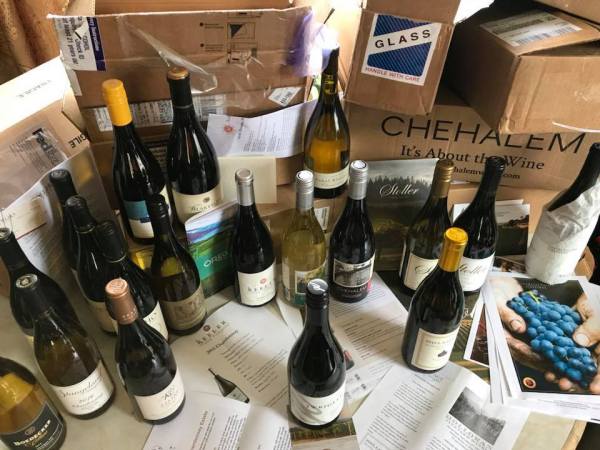
A selection of Oregon Chardonnay that arrived fallowing my call to review them.
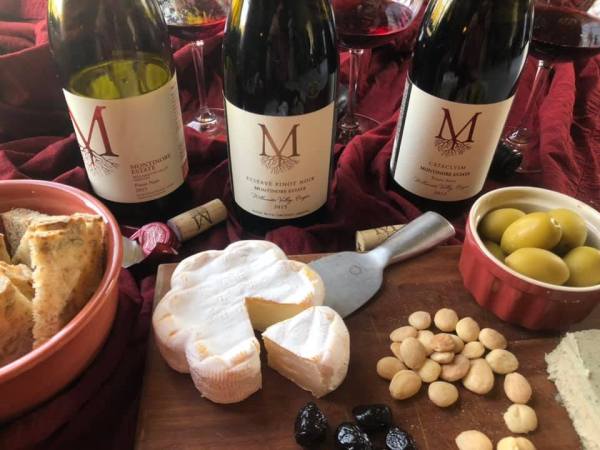
Pinot noir from Oregon’s Willamette Valley is understandably famous, and everyone wants to talk about it, myself included! And with this being Oregon Wine Month, I have! See my May posts on two biodynamic ones from Cooper Mountain, two from Willamette Valley Vineyards, one from Day Wines, and coming up soon, three from biodynamic Montinore, then sustainable Left Coast, then more including Beckham, Brooks, and Hammacker!
But today, Chardonnay Day, I want to talk about what’s special about one of Oregon’s white wines, specifically, Willamette Valley dry farmed Chardonnay, and a few pairings to go with them for summertime sipping.
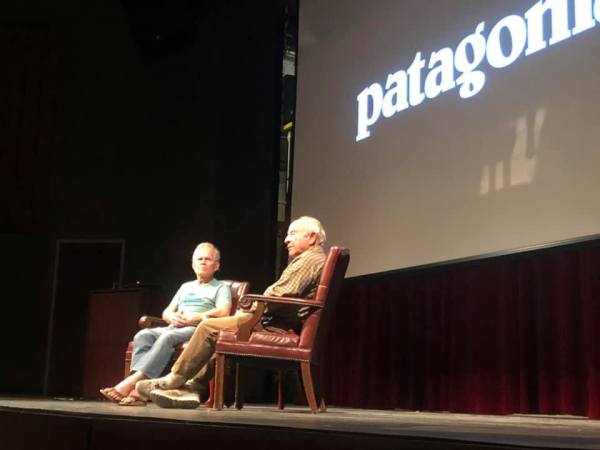
Chouinard’s agenda these days has less to do with selling fleece and making money and more to do with saving the planet.
To do so, Chouinard’s passionate about regenerative agriculture which shares many of the same goals and techniques as biodynamic agriculture which I’ve written about many times this year.
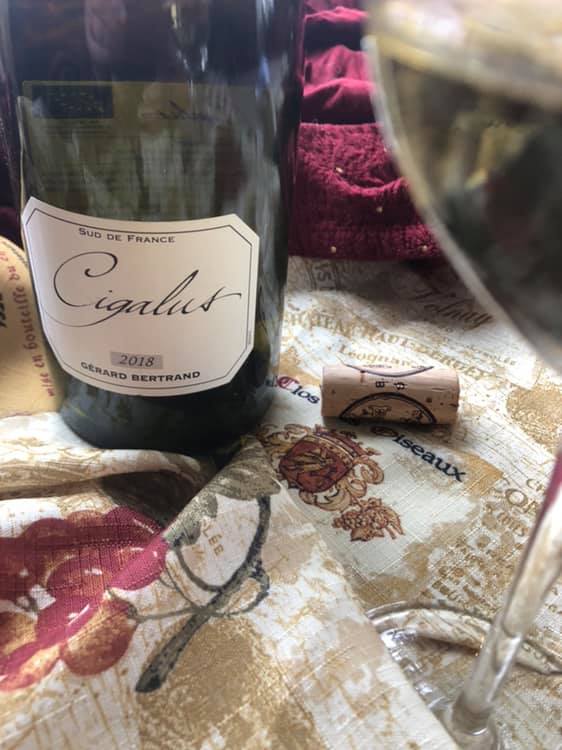
“Revealing a message is what wine can do best in the pyramid of the senses, starting from pleasure, taste, emotion, and from time to time a kind of message in a bottle, ” says Gerard Bertrand, winemaker of Gerard Bertrand wines. “The message is the soul of the wine, the imprint of time, it is recalling 20, 30, or 40 years later that something very special happened in a certain vintage.” Continue reading →





 wine predator.............. gwendolyn alley