
Drink like a Georgian: Zurab Gvaladze Winery; eat like a Georgian!
The country of Georgia is on my mind these days — and not just the biodynamic wines of Zurab which come from Georgia. On Christmas Day in Georgia’s capital Tbilisi, Armenians and Azerbaijanis joined protesters who filled the streets with hopes to turn Georgia toward Europe instead of Russia. On Friday, Dec. 27, the United States released a statement committing to promote accountability for those undermining democracy and human rights in Georgia.
Zurab (in Georgian ზურაბ) is a Georgian man’s name that derives from the Persian name of a legendary warrior associated with the acts of bravery and courage. Today that bravery and courage is expressed by these protesters. At Zurab Gvaladze Wine Cellar, a small family winery in Imereti (Western Georgia), Zurab Gvaladze took the eco-warrior’s role to turn the winery founded in 1900 by his great grandfather into a commercial one in 2016 that stays true to traditions
like natural winemaking, using amphora (qvevri), growing organically, and rejuvenating the soil. Winemaking originated in Georgia over 8,000-years, and the first use of qvevri dates to 6,000 BCE according to evidence from excavations in the Republic of Georgia by the Gadachrili Gora Regional Archaeological Project Expedition (GRAPE) which indicates the origin of the practice to the Neolithic period back in 6000 BC. This is 600-1,000 years earlier than what was previously considered.
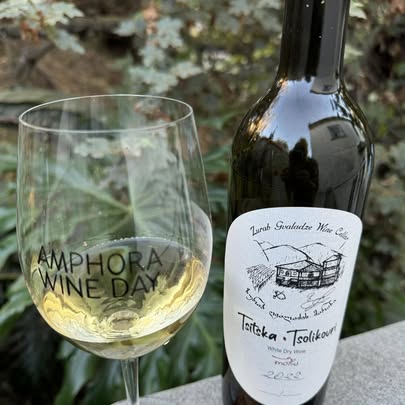
Zurab Gvaladze Winery Tsitska-Tsolikouri 2022: make every day an amphora day!
Subscribe and stay tuned for more wines from Georgia in the New Year, and learn more about the history of wine! Read here about three Georgian amphora wines with pairings we write about last year. If you’re just now hearing about Wines of Georgia, it could be because of the success of its 2024 Integrated Communications Program in the United States which you can read about here. Hopefully this means they will bring journalists like me there when it is safe to do so!
Zurab Gvaladze makes wine from two Georgian white grapes that come from the Imeretian family of aboriginal varieties of grape: Tsolikouri and Tsits-ka. Tsits-ka ripens late, and it makes acidic, lively wines offering green tones, citrus, and white stone fruit as well as honey and melon. Widely grown, Tsolikouri also ripens late, and these wines tend to be more full bodied than Tsits-ka with notes of citrus and white plum.
Today we have one wine that showcases each grape, plus a third wine that blends the two with a warm wintry menu, a Georgian inspired squash soup spiced with fenugreek plus chvishtari bread and a green salad. In addition to approachable amber wines like these which are a great introduction to the grapes and the style, Georgian winemakers produce amber amphora wine that’s oaked, and “full on” amber wines which are surprisingly robust, tannic, and full bodied, according to Georgian wine expert, Lasha Tsatava DipWSET.
- Easy-going amber: These three are a great introduction to amber wines. Many of these amber wines are made with little or shorter skin contact in qvevri, large vessels made from class commonly called amphora—often hailing from central or western Georgia. Sometimes the grapes are fermented with skins in thermoregulated tanks rather than in qvevri, and show more fresh fruit flavors and lighter tannins with a moderate to medium body.
As one of the countries along the Silk Road, many travelers influenced Georgian cuisine bringing seasoning and techniques. Georgian hospitality welcomes strangers, family and friends to spontaneous supra or feast) each with its own tamada or toastmaster who entaintains guests with stories and toasts. Wines of Georgia Celebrates the Success of Its 2024 Integrated Communications Program in the United States
Eat like a Georgian:
- I love cornbread, so I wanted to try this recipe for “chvishtari” — a cheesy fried cornbread.
- I have lots of winter squash, so I went searching for a recipe, and found this one for a Georgian inspired squash soup that uses fenugreek and yoghurt.
- We chose to combine pomegranate, pear, walnut, and feta for a green salad with walnut oil to round out the meal as walnuts are an important part of the Georgian cuisine, and festive pear and pomegranates are featured.
Last year, Sue prepared these traditional Georgian dishes which we paired with three Georgian amphora wines (read here):
- Khachapuri, Georgian Cheese Egg Bread
- Lula Kebabi, Georgian ground lamb kebabs with mint and basil
- Nigvziani Badrijani, an eggplant walnut roll
- Shkmeruli, Milky Garlic Georgian Pheasant with mashed potatoes
These foods would likely go with most white wines made in amphora or orange wines in general from around the world. Learn more about Georgian cuisine here.

Zurab Gvaladze Winery
Drink like a Georgian:
- Zurab Gvaladze Winery Tsolikouri 2022
- Zurab Gvaladze Winery Tsitska 2022
- Zurab Gvaladze Winery Tsitska-Tsolikouri 2022

Zurab Gvaladze Winery Tsitska 2022
Zurab Gvaladze Winery Tsitska 2022
ABV: 12%
SRP: $30
Grapes: Tsitska
Importer:
Sample for my review
Appearance: Cloudy, pale buttercup, light lemon, platinum rim
Aroma: Herbal, river rock, creekside, moss, chamomile, fenugreek,
Palate: Tart acidic, Eureka lemon, minerals, marjoram, oregano, bay, salinity, white tea, it was hard to put our thumb on exact tasting notes for this wine. It was fa very different experience and tasting profile than we are used to.
Pairing: Very nice with the soup, the squash is sweet and Earthy, the Earthiness of the soup plays up to the Earthy quality of the wine. The sweet pear fights a bit with the wine making the wine lively and zingy, but the feta and the walnuts are very nice together with the wine.

Zurab Gvaladze Winery Tsitska-Tsolikouri 2022
Zurab Gvaladze Winery Tsitska-Tsolikouri 2022
ABV: 13%
SRP: $30
Grapes: 30% Tsitska, 70% Tsolikouri
Importer:
Sample for my review
Appearance: Lemon yellow, clear, platinum rim
Aroma: Chamomile, meadow, herbal, grassy, daisy,
Palate: Very bright and tart, tart lemon, orange, tangerine, blood orange, very interesting mouthfeel, slickness and very tart acidity, oxalis, saline
Pairing: Very nice with the salad loving the walnuts and the feta and the crisp fresh greens, the pear is sweeter than the wine, but it does not fight with the wine. All is balanced together nicely. Texturally the pear in the salad is very nice with the wine. The soup is alright with the wine but nothing to knock our socks off.

Zurab Gvaladze Winery Tsolikouri 2022: make every day an amphora wine day!
Zurab Gvaladze Winery Tsolikouri 2022
ABV: 13%
SRP: $30
Grapes: Tsolikouri
Importer:
Sample for my review
Appearance: Deeper yellow, gold but not typical orange wine color, lemon yellow, platinum rim,
Aroma: Meyer lemon, lemon curd, fennel fronds, buttercup, butterscotch, creekside,
Palate: Resinous and tannic, nice body, pine pitch, Eureka lemon, bright acidity, chamomile, fennel fronds, rosewater,
Pairing: This wine made the cheesy corn biscuit really dry. The soup was nice with the wine, but we just weren’t too fond of the recipe, the wine loves everything about the salad, it did not think the pear was too sweet and the creamy salty feta was beautiful as well as the toasted walnuts.
We both loved the salad and the wine. The wine heightened all of the flavors in the salad. The greens were very fresh and the pear crisp and bright, and the creamy walnuts and tannic walnut skins were a great match and added to the long lingering finish of both the salad and the wine. The squash has a lovely sweetness and goes quite nicely with the tenderloin and the wine. There is also a lovely richness that is in the baked squash that works so well with this wine. the squash has a long lengthy flavor that matches that of the wine. The starchy potato was alright, but not as nice as the squash with the wine. While we would normally do a port with the pumpkin tarts, it was very nice with the Talhia, the wine went very nicely with the strong baking spices in the dessert. Also working well with the wine was the cream cheese in the dessert, the tart creamy the tart richness of the dessert and complexity of the spices were nearly perfect with the rich complexity of the wine.
NOTE: This soup was much better a subsequent evening when I added A LOT more roasted squash and chunks of pork loin making it more into a stew. And that was really great with the wines, too.
Closing thoughts:
- If your New Year’s resolutions include trying new wines, new styles, or new regions, give these wines a SWIRL! And check back Jan. 11 (my birthday!) for wine from Armenia!
- If your New Year’s resolutions include enjoying wines that use regenerative farmers, these will do it!
- If your New Year’s resolutions include supporting democracy, YES– get wines from Georgia in your glass!


Europe has been turning her back towards Georgia for 30 years. I’m not surprised in the least Georgians got fed up and are being disillusioned by European hypocrisy and double standards. It’s no news to anybody that the western democracy is a contradiction in terms. We all know how the protests around the White House in Washington ended back in 2020. Besides what business do Armenians and Azeris have with protests in Georgia? They have to mind their own business in their own countries. They’re all guests in Georgia. How would you feel if some guests in your house started protesting against you? If you write about food, then with due respect, keep writing about food and stay out of politics. I am disgusted with your hubris.
LikeLiked by 1 person
Thank you Vito, for sharing your opinion. Like many in the US, I am unfamiliar with Georgia’s wines as well as politics and culture, but I am not surprised to learn this is how it feels. Personally I am very concerned that democracy is under attack in the US and elsewhere in the world. I feel we need to support each other in whatever ways we can. For me, I am trying to write about wines from lesser known areas of the world when I can. By purchasing wine from Georgia, we can help support the Georgia economy. While we may agree to disagree, I hope that you found the 99% of the article about Georgia accurate and engaging. Cheers to a new year!
LikeLike