Spring and easter is all about regeneration: green pops out everywhere, Jesus comes back from the dead, rabbits deliver eggs. Some say the word Easter comes from Ēostre, a Germanic goddess who had festivals held in her honor during the month Ēosturmōnaþ, the equivalent of April by pagan Anglo-Saxons which was followed by the Christian Paschal month which celebrates the resurrection of Jesus.
April is also Earth Month, and the perfect time to celebrate regenerative agriculture. But with the current corona virus crisis, all Earth Month gatherings are off.
And so are wine events. Fortunately,
/model Crisis Bunny MB Hanrahan. Photo: Dina Pielaet.
Now that many of us have some extra time on our hands to complicate life, love, and wine in the time of the corona virus, one question about wine may have crossed your mind:
Where did wine originate?
If you guessed Italy, and specifically Sicily, you wouldn’t be far from the truth. Wine has been made on that island since 4000 BC.
But even earlier than that wine was made further east, in Georgia. According to Wikipedia, people began making wine there in 6000 BC.
April is Earth Month, a time where we should all pay attention to wineries that pay attention to the 3 P’s: people, planet, and finally, profit, especially during this time of COVID 19.
So you might want to pay attention to Waipapa Bay Wines which pledges support for Whale and Dolphin Conservation by aiding efforts in protecting whales and dolphins in oceans around the world via Whale and Dolphin Conservation (WDC), “the leading global charity dedicated to the conservation and protection of whales, dolphins and their ocean home. Their mission is to educate people on the significant ecological role whales and dolphins play in the marine ecosystem, and inspire global action to protect them. This is not a noble gesture, but an essential means to sustain the future of our Earth by increasing the planet’s climate resiliency.”
As a global organization founded in 1985 WDC “has led the charge on protections for whales and dolphins in all our world’s oceans, an essential means to sustain the future of the planet’s climate resiliency and future. WDC has around 80 staff worldwide working in six locations dedicated to research and action to support this mission.”
WDC’s Melissa Walker says “The future of grape growing and agriculture overall are dependent on healthy oceans, so it is imperative that we unite for this common goal.” Waipapa Bay Wines pledges to “support WDC in their four principal goals—end captivity, stop whaling, create healthy seas, and prevent accidental deaths in fishing gear—with a particular emphasis on raising awareness for the intern program, which fosters careers in conservation biology for young adults.
According to a press release, “The name Waipapa Bay comes from a renowned whale-watching coastal site on the South Island of New Zealand where Brent and Shirley Rawstron—who oversee viticulture and winemaking—often visit when traveling to the vineyards in Marlborough.”
The press release states that “Waipapa Bay Wines reflect and respect the stunning, natural beauty of the place they take their name from–Waipapa Bay. ..The close proximity to the Pacific Ocean provides ideal climatic conditions for the vines to thrive and gives a signature fresh character that carries through each of the four wines.” For more visit: waipapabaywines.com.
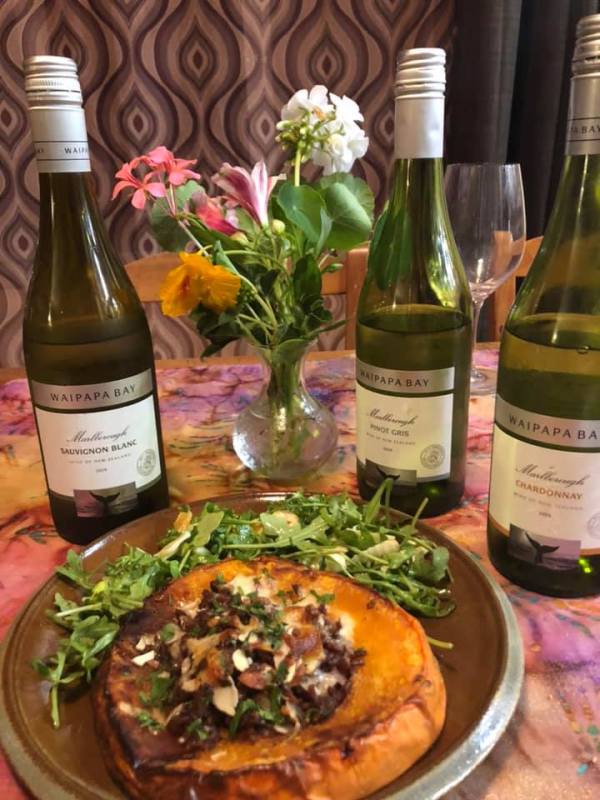
Waipapa White Wines from Marlborough, NZ
Sauvignon Blanc SRP $15
Pinot Gris SRP $15
Chardonnay SRP $15
Vegetarian Earth Friendly Menu
Cheeses, vegan brie, vegan mushroom pate
Arugula salad with tangerine, toscana crusted fontina, toasted cashews and an orange vinegarette
Mushroom red rice stuffed squash
While all of the wines were fantastic in their own way with this menu, the Sauv Blanc and the Pinot Gris went best with the squash dish. The Chardonnay needed more buttery richness, maybe sand dabs; the earthy richness just didn’t work as well.
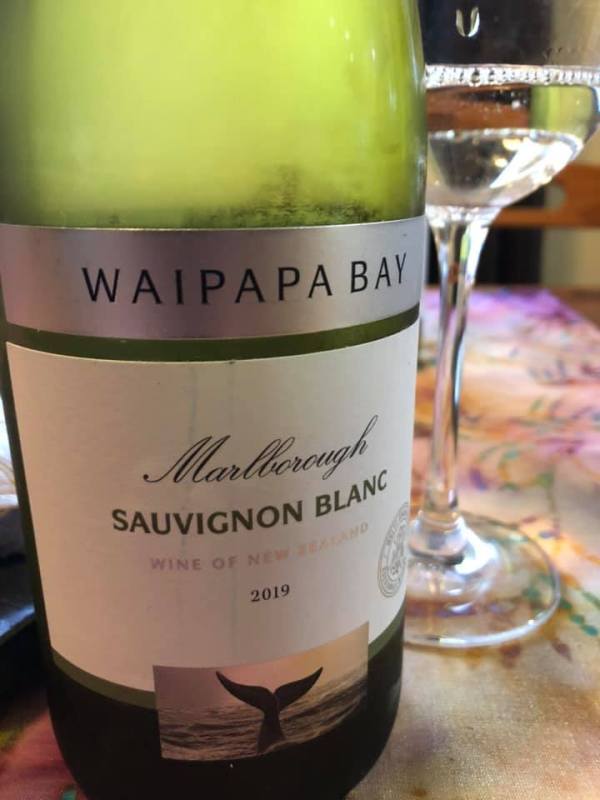
2019 Waipapa Bay Sauvignon Blanc Marlborough SRP $15
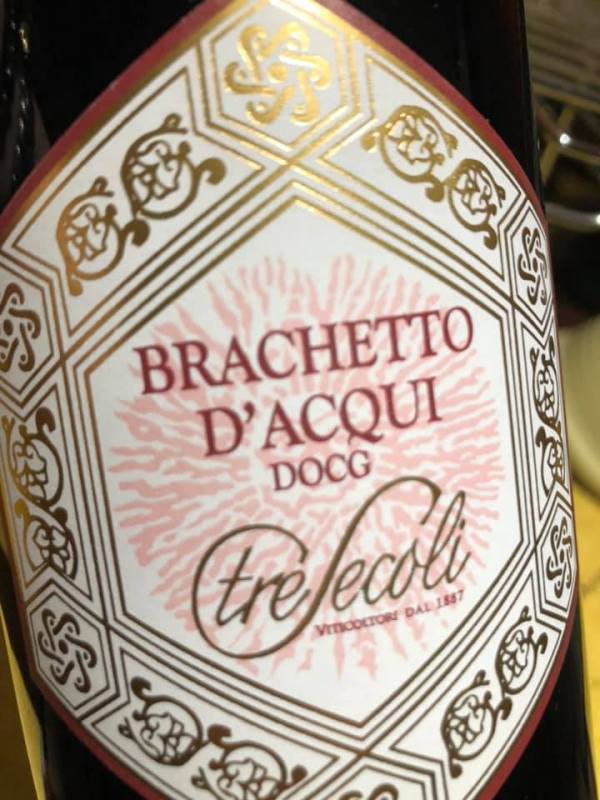
Looking for something different? Something a bit sweet and a bit bubbly? And red but lightly chilled? Maybe something low in alcohol for dessert to pair with chocolate or fruit, or even better, the cookies your Italian Grandma always made?
Then you might find what you’re looking for in Brachetto D’Acqui! Continue reading →

 /model Crisis Bunny MB Hanrahan. Photo: Dina Pielaet.
 wine predator.............. gwendolyn alley