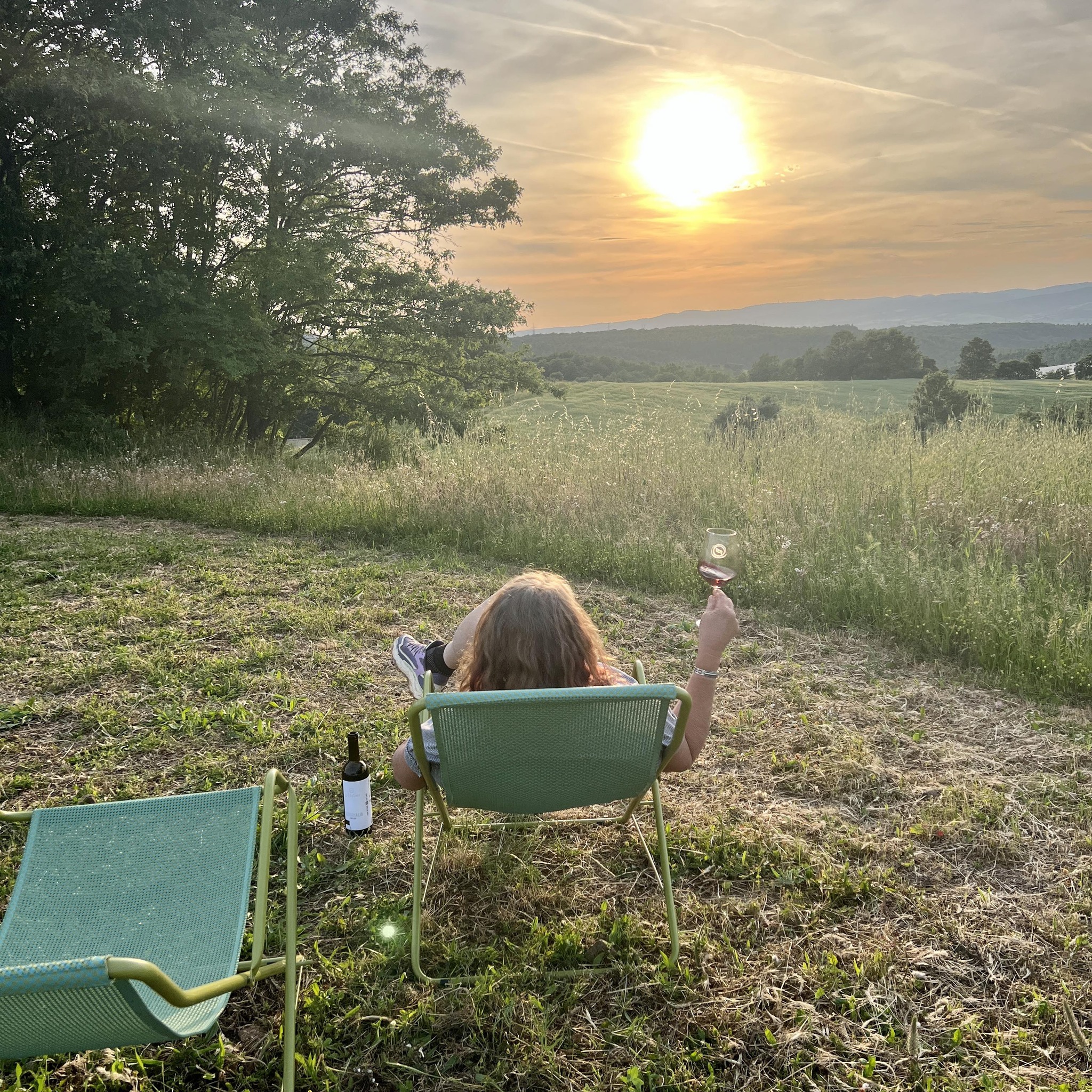
Enjoying my StarsBox “glamp-site” at La Maliosa, Tuscany, Mother’s Day 2024
Exciting news! I’m once again nominated for the 2025 Wine Travel Awards in the Wine and Food Influencer category of “The Brightest Journey”— and public voting ends March 31st! I would appreciate it if you could take a minute to vote for me. It’s fast, it’s easy and it’s here: just click this link to my profile where you can learn more about me and vote for me!
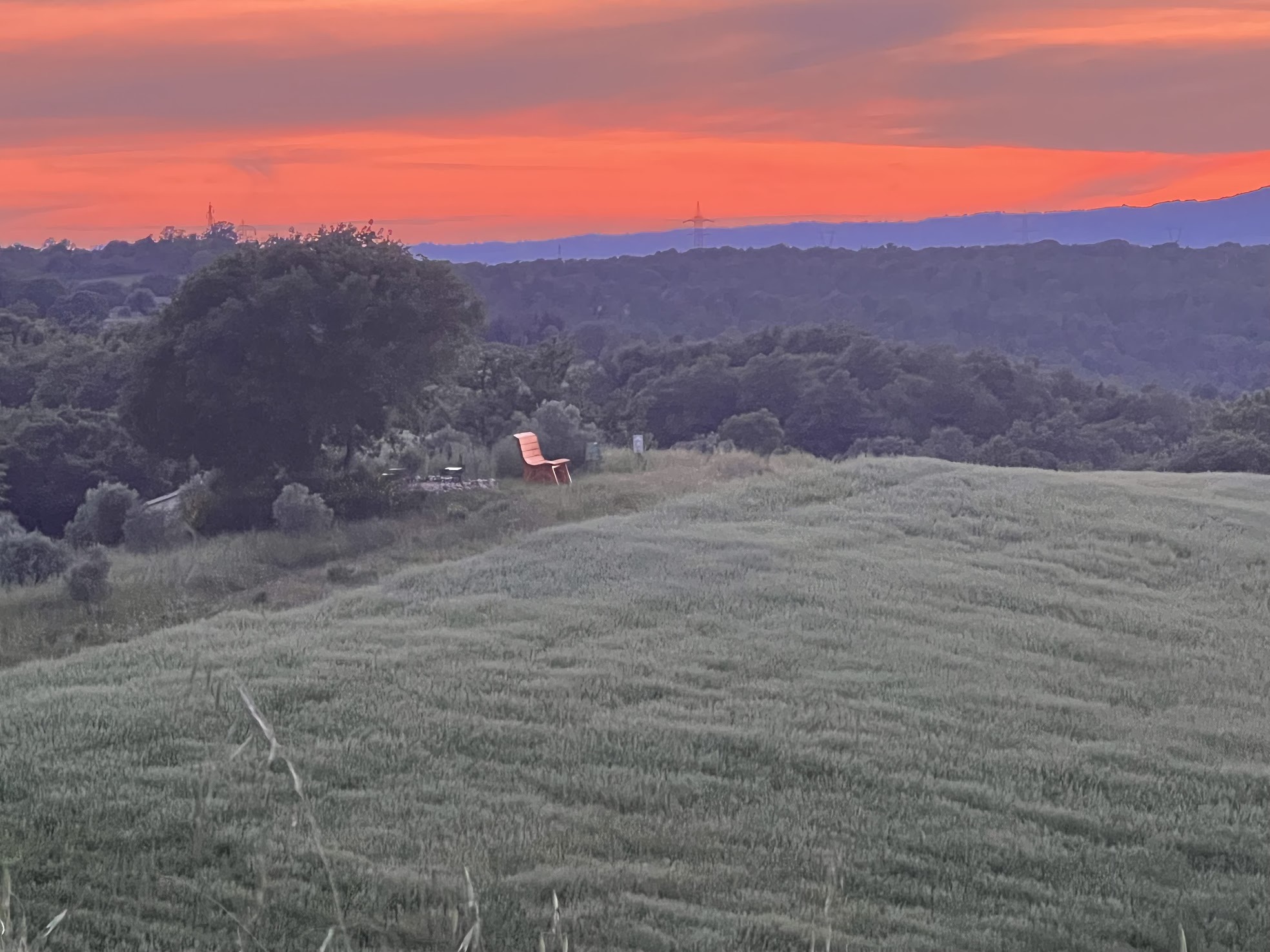
View from my StarsBox glampsite at La Maliosa, Tuscany May 2024
The five nominees with the most votes from the public advance to the final round where judges will determine the winners— last year I made the Top 5 with thanks to you, dear readers!
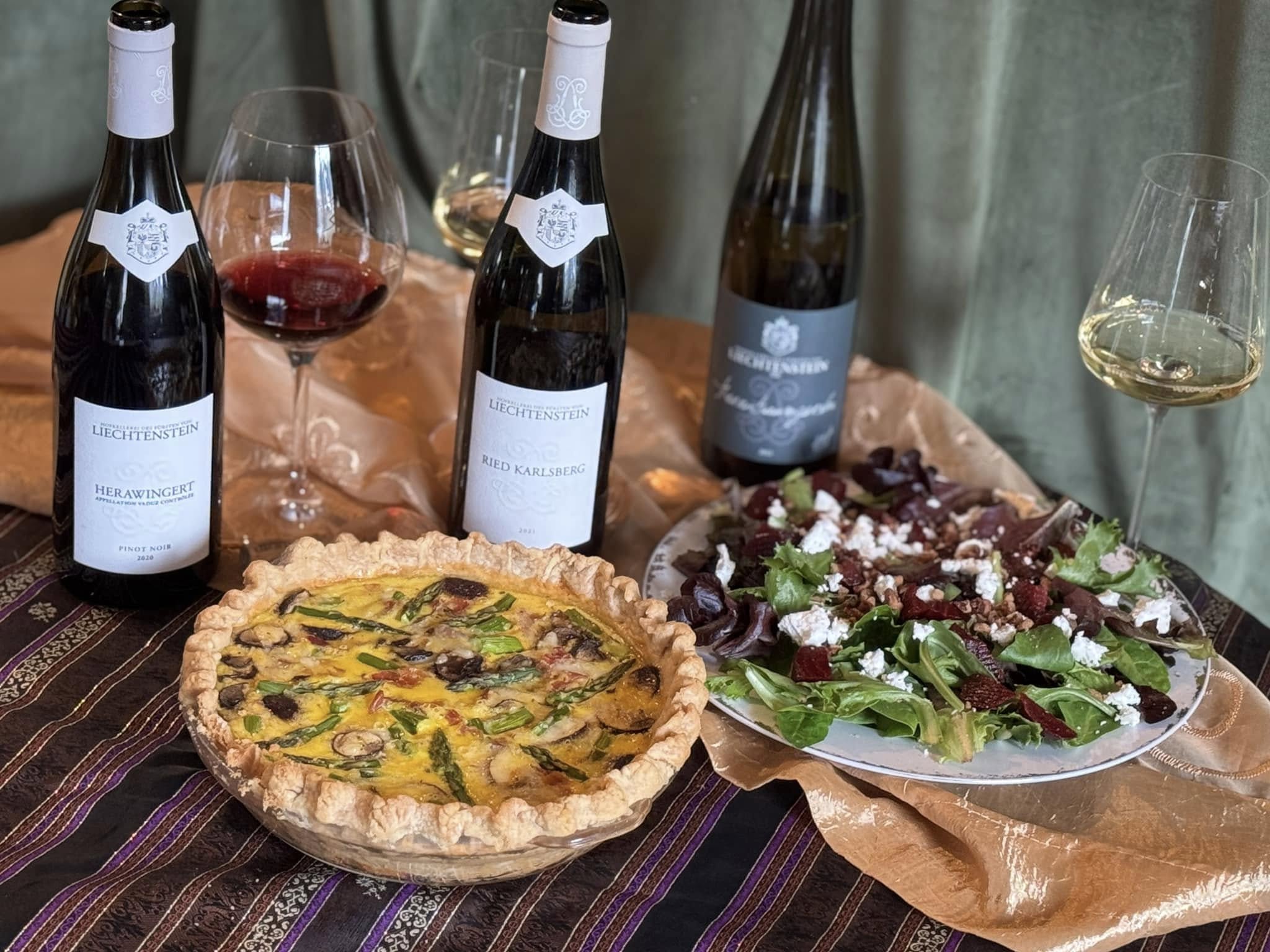
Organic Princely Winery of Liechtenstein plus A Quick History of Quiche For Pi Day!
“Our vineyards in Liechtenstein and Austria, steeped in tradition, imbue our wines with
individual stylistic expressions that make every occasion a celebration of joie de vivre,” says Princess Marie of Liechtenstein, a sommelier since 2014. Joie de vivre is a French term meaning “an exuberant enjoyment of life” and I am here for it! And clearly so is the Princess and the Princely Wines of Liechtenstein. In 2013, Princess Marie von Liechtenstein helped with marketing and distribution. With a desire to make wines she wants to drink and enjoy (there’s that joie de vivre again!), she’s now devoting more of her time to the grapes grown on family vineyards in Austria and Liechtenstein. When the UC Davis trained native Austrian Stefan Tscheppe came on in 2019, he began the transition to organic and biodynamic farming, and he brought in more women to join Princess Marie: Oenologist Natalie Ströhle, Sommelier Hannah Fiegenschuh, and Operations Manager Alexandra Goop. Celebrate joie de vivre and Women’s History Month with these women made wines!
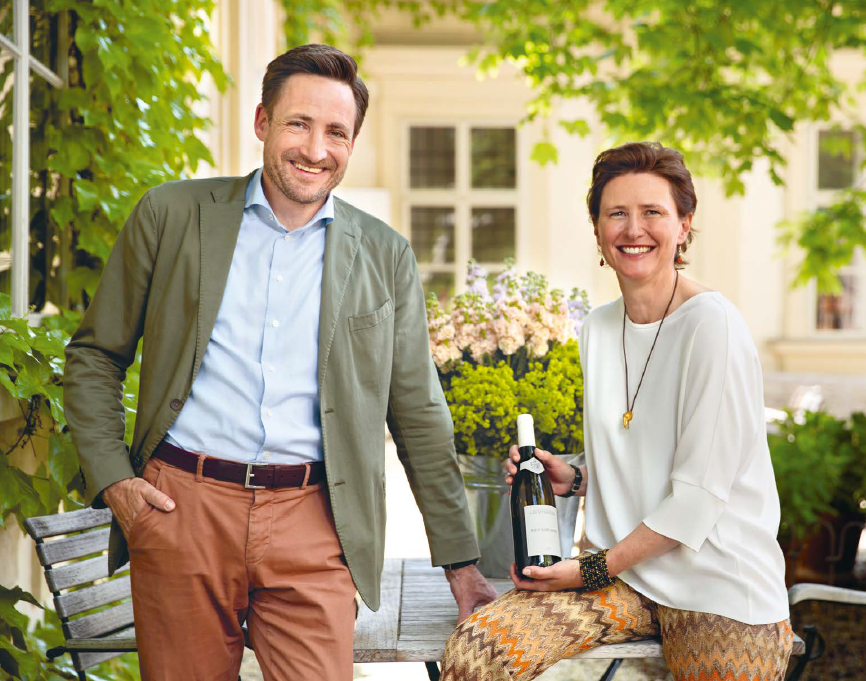
The Princely Wines of Lichtenstein’s Princess Marie and Stefan Tscheppe
Known formally as The Hofkellerei Fürst Liechtenstein, the vineyards and wineries in both Liechtenstein and Austria are owned by Prince Hans Adam Il of Liechtenstein and the Princely Family including sommelier Princess Marie. During a virtual tasting with Stefan Tscheppe, I learned about the vines and wines, and experienced the beauty of the castle and alpine landscape that is Liechtenstein, one of the smallest and most wealthy countries on the planet, and saw how that place is perfect for Pinot Noir. I can’t wait to visit this stunning, regal region myself, see their art collection, and eat in their Michelin star restaurant.
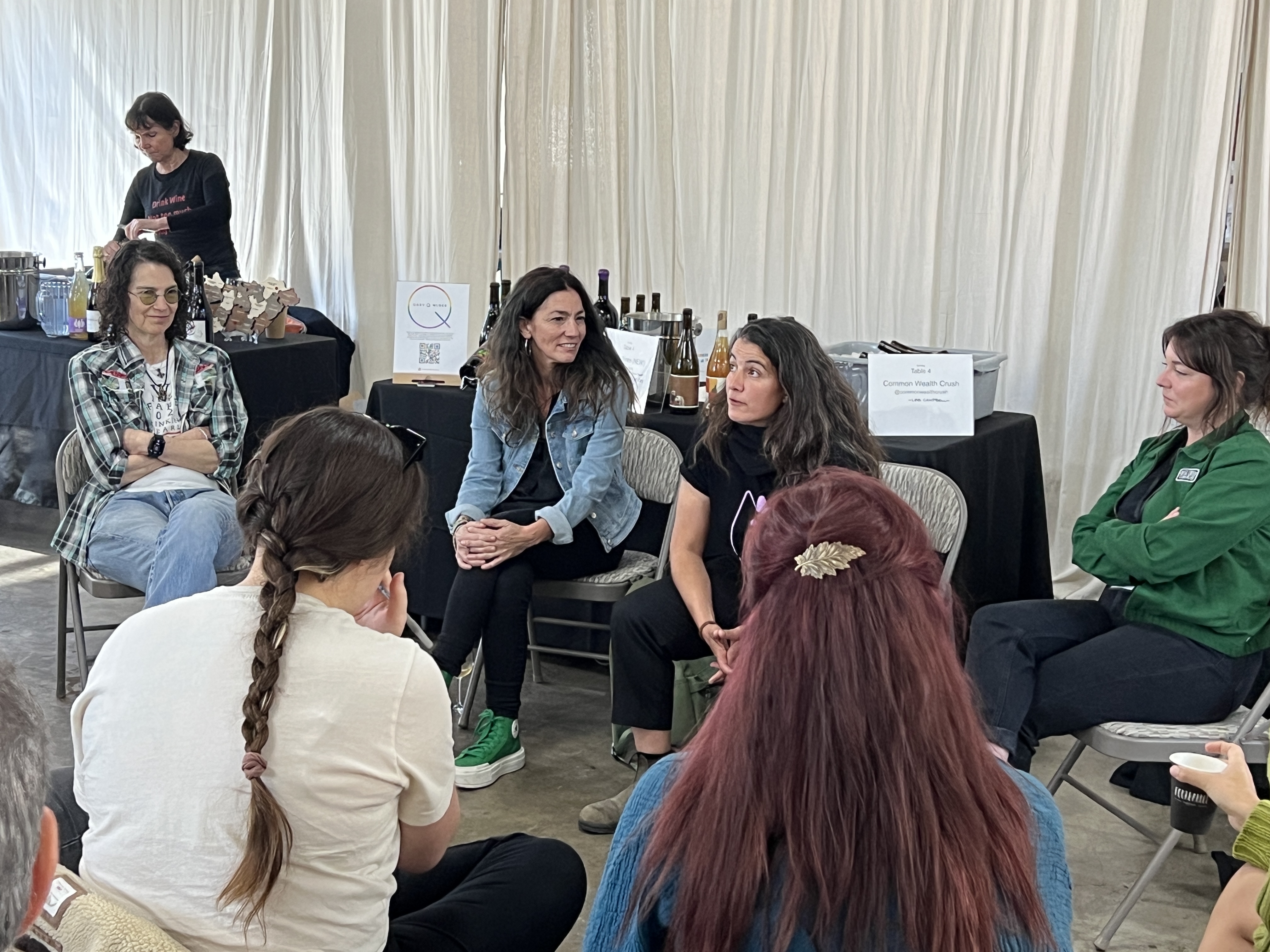
Sara Pérez (in jeans jacket) in a seminar at WINeFare; founder Pamela Busch on far left seated
At just 17 years old, Catalonian Sara Pérez learned how to make wine at her family winery and started the the small family vineyard on a path toward organic viticulture in northeastern Spain, she said during Women’s History Month at last year’s WINeFare in San Francisco, California. Cheers to Women’s History Month, to International Women’s Day March 8, and to trailblazing winemakers like Sara Pérez!
As a fan of natural and organic wines and on the lookout for those made by women winemakers and from women owners, I was in heaven a year ago when I attended WINeFare— Women In Natural Wine— held in San Francisco at the Haight Street Art Center, and I can’t wait for the next one scheduled for June 7. In 2018, a non-profit organization focused on social justice in the wine industry called The Vinguard founded by Pamela Busch started WINeFare to provide a platform for women who make and import natural wine. In 2025, 50 winemakers from five countries will pour on Saturday; purchase tickets here. This is also one of the more affordable and important wine tasting events that I know!
WINeFare logo
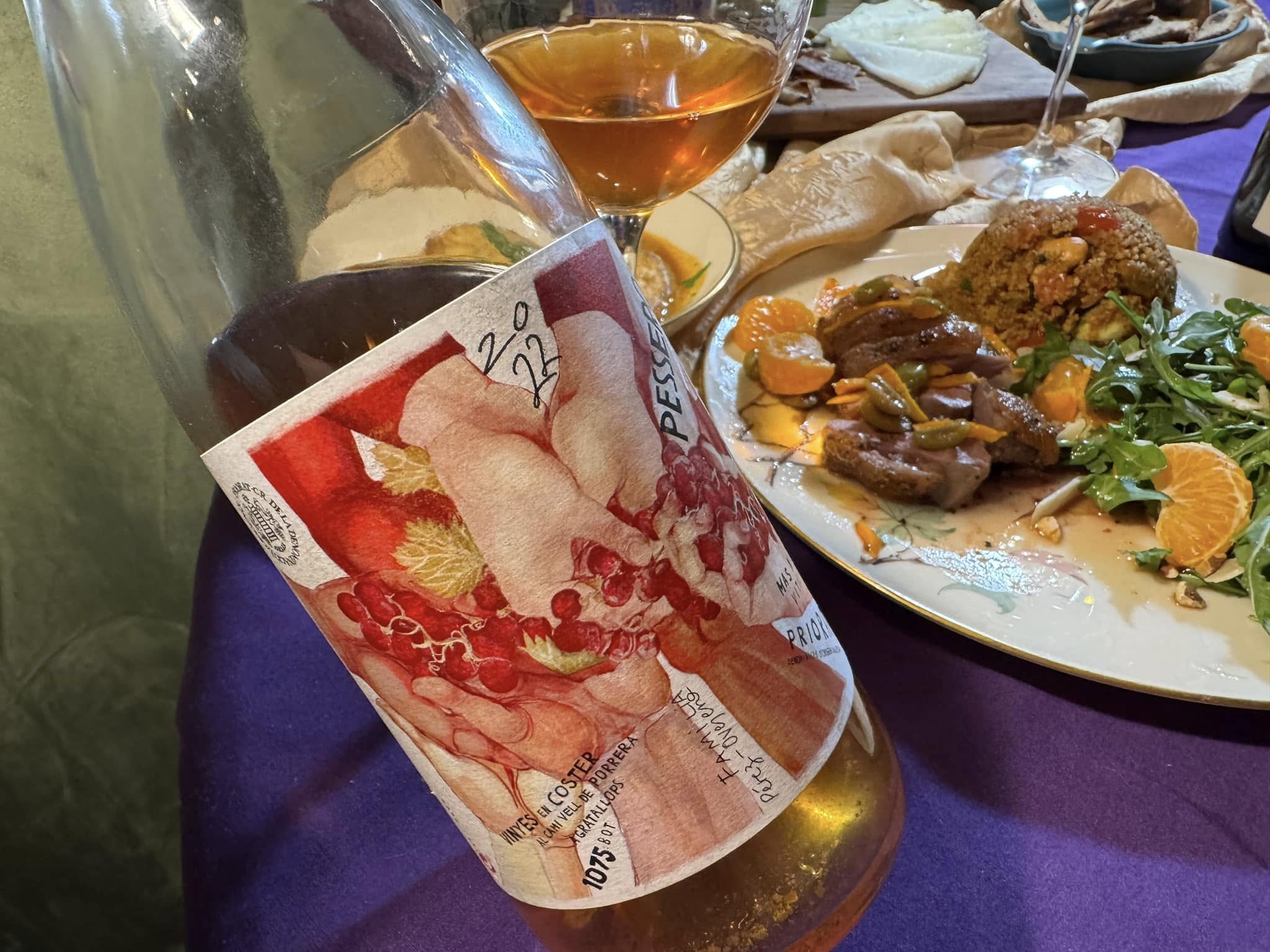
In 2024, WINeFare was a two day event with seminars both days and a dinner in between gathering 75 wineries with women who work in natural wine from all over the world to share their wares and stories with the public. Each day of the event last year featured different women pouring their wines in, around, and among art combining two of my favorite things! So many fascinating wines and people too including wines from Spain’s Mas Martinet made by Sara Pérez who attended and participated in a Sunday seminar and women in wine in Spain.
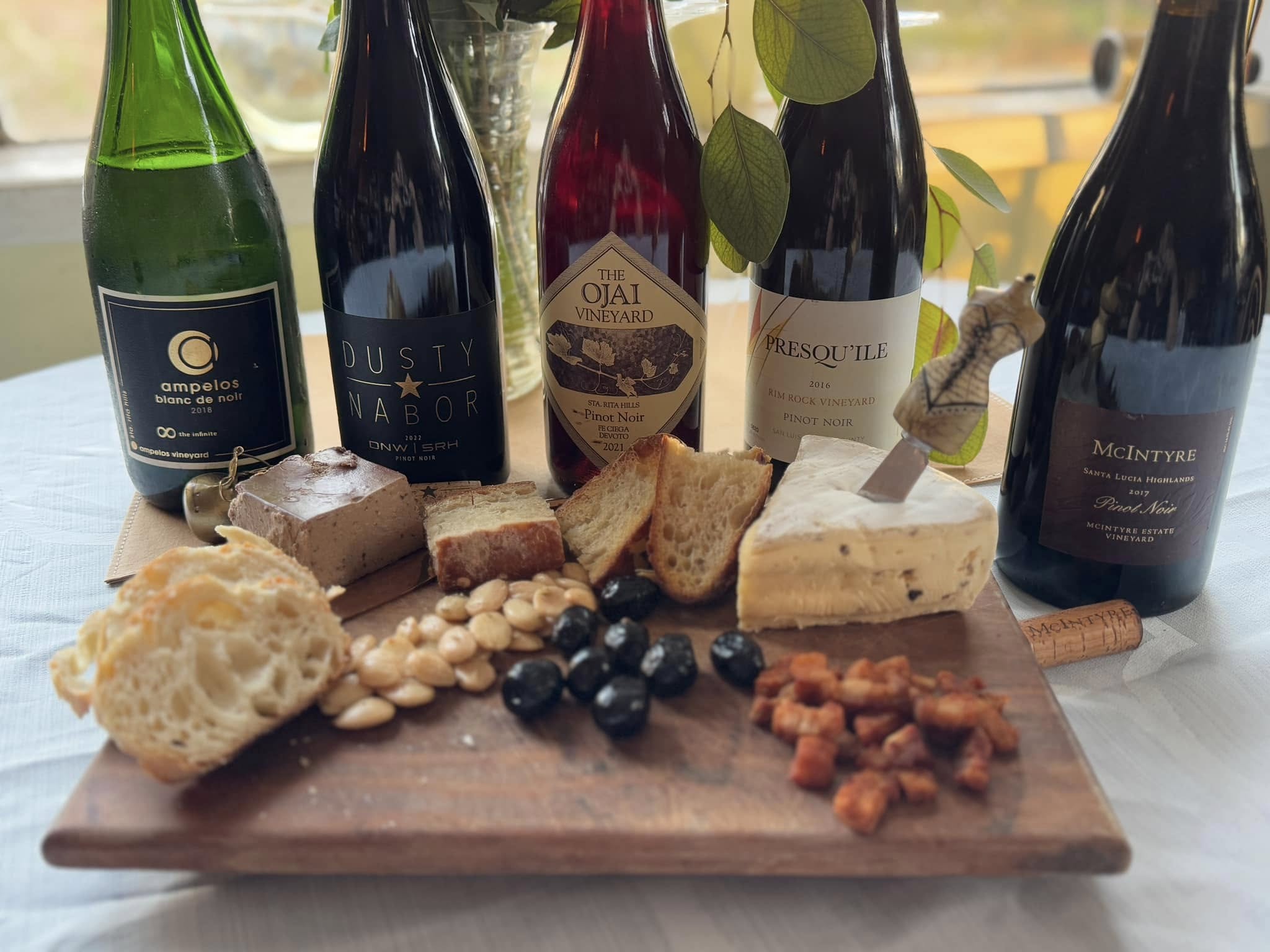
5 Pinot Noir from CA’s Central Coast Pouring at WOPN: Ampelos, Dusty Nabor, The Ojai Vineyard, McIntyre, Presqu’ile
With the 25th Anniversary World of Pinot Noir coming up at Ritz-Carlton Bacara in Santa Barbara February 27 – March 1, I took a quick scroll through this year’s WOPN participating wineries (here) to see who is pouring what wines and when. This will help me make a list so that I don’t get lost at the Grand Tastings on Friday and Saturday! And to get in the mood, Sue and I opened five wines from California wineries that will be pouring a this year’s events: Ampelos, Dusty Nabor, The Ojai Vineyard, McIntyre, Presqu’ile paired with Boeuf Bourguignon; scroll down for all the details!
As usual, World of Pinot Noir opens with a party on Thursday night February 27, and I’ll be there for it! On both Friday and Saturday WOPN offers morning seminars, lunches, and dinners with Grand Tastings each afternoon. Continue reading →
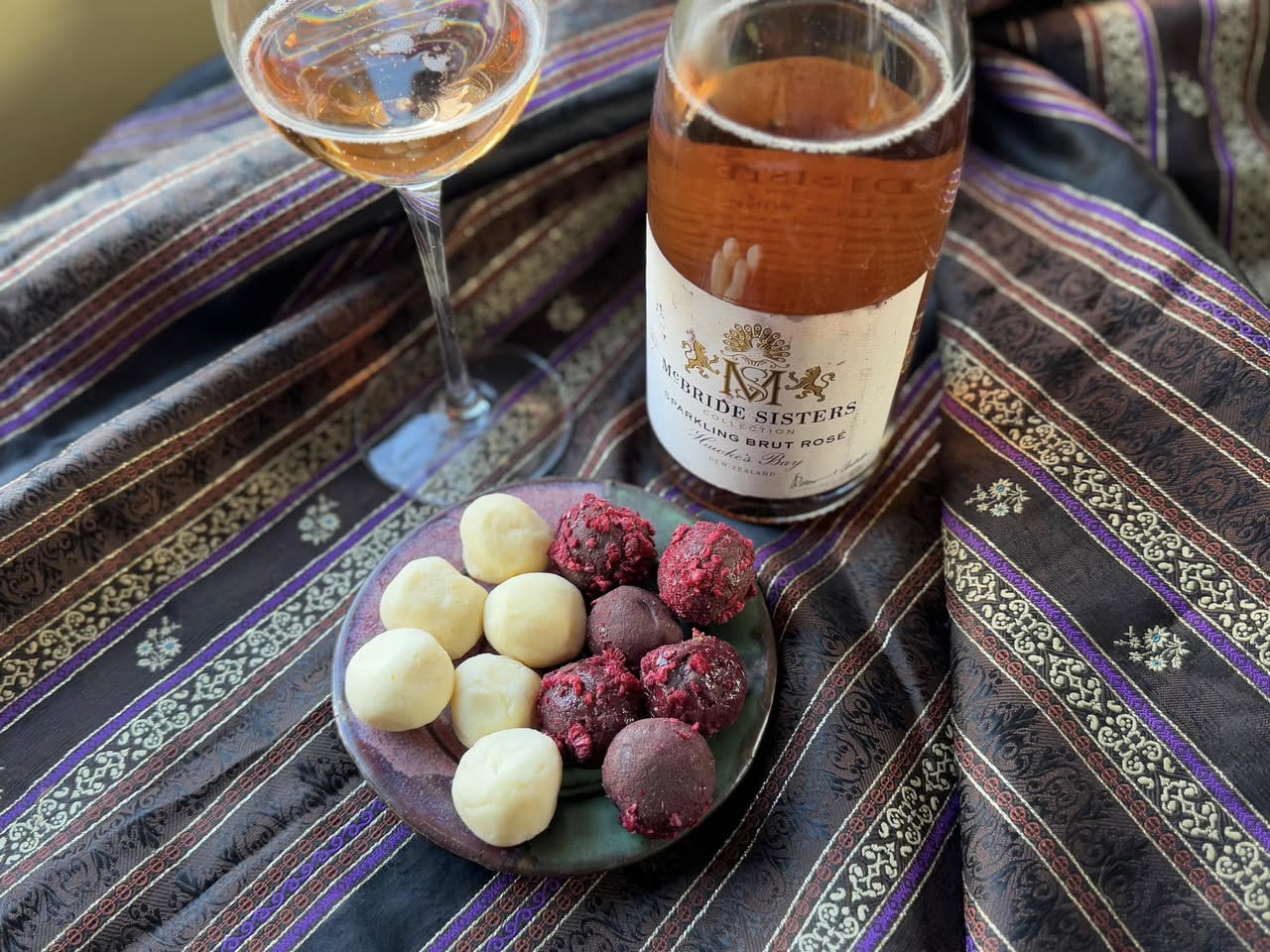
Bring a Sparkle to Black History Month: McBride Sisters Brut Rosé from Hawke’s Bay on National Drink Wine Day with chocolate truffles okay!
Right now in the United States, important diversity initiatives are under fire, people are literally getting fired for being part of these initiatives and supporting them, and books featuring diversity are being banned and removed from school libraries — all making it more important than ever to support Black and BIPOC owned businesses.
Even under these circumstances, during Black History Month 2025 it is easier than ever to find food from Black farmers using this tool. and wines made by Black winemakers; scroll down for links to lots of resources to support BIPOC businesses. And what better day to get started than today — National Drink Wine Day!
Yes, that’s right — today is National Drink Wine Day! So let’s pop a cork and get to business!
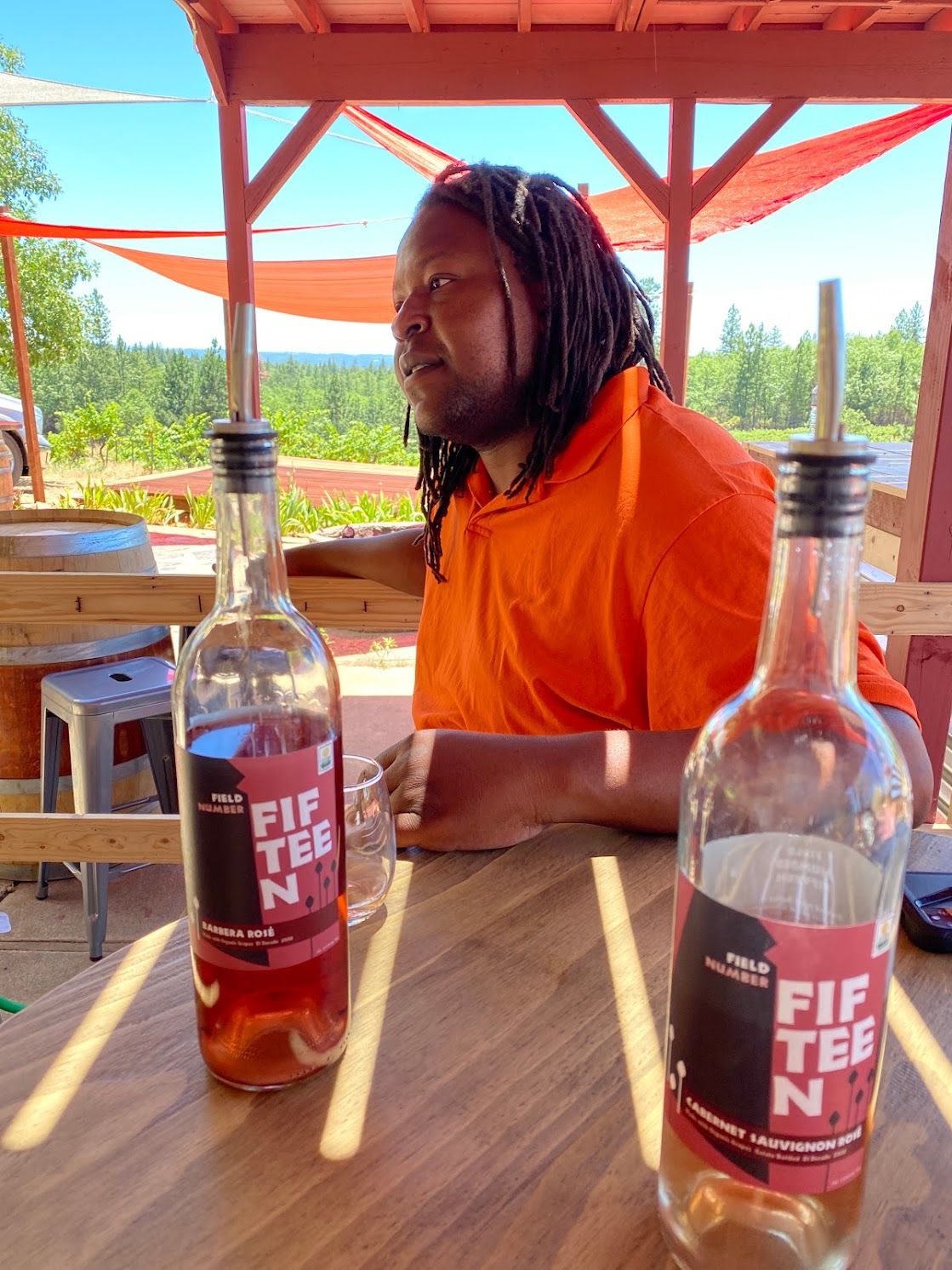
Kenyon Elliot is winemaker and owner of organic Field Number Fifteen in the Sierra Foothills
Who loves Syrah? Whether it is inky or peppery or blueberries or mulberries or full on herbs, we do, we really do! We especially love it when it is bright and balanced and farmed with respect to the land– organically and biodynamically, considering the health of planet as well as people. The climate where the Syrah grapes grow influences the profile of the finished wines. In cool climates, Syrah may be lighter, peppery, and elegant while in moderate climates like the northern Rhone Valley and parts of the Walla Walla AVA in Washington State Syrah produces medium to full-bodied wines with bramble fruit, herbs and black pepper notes. Hotter climates like Australia for Syrah (or Shiraz) often means fuller-bodied wines with soft tannins, jammy blueberries, and notes of licorice and leather.
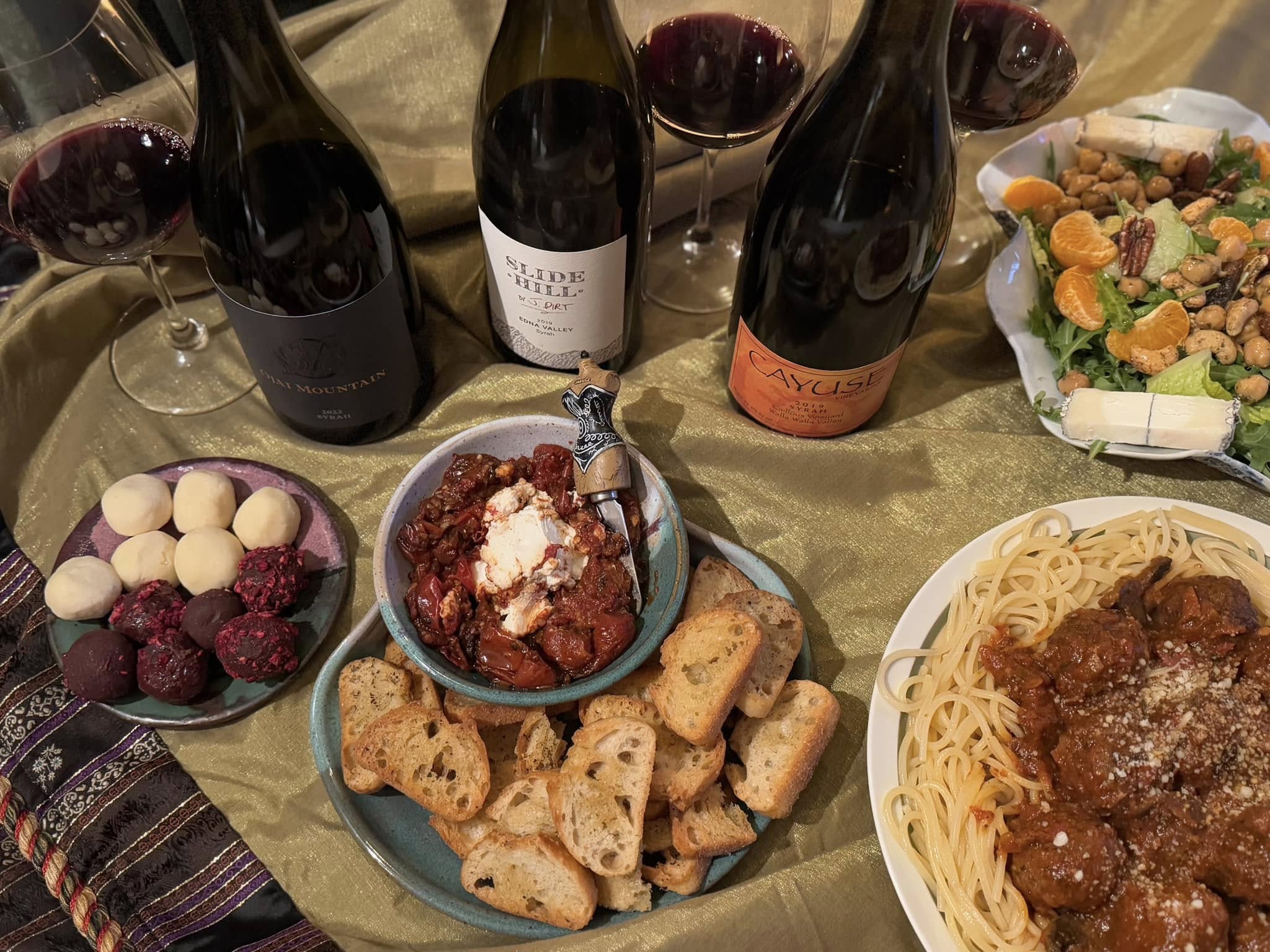
With Syrah Day Feb. 16 (and any day you open a bottle of Syrah!), these three check all the boxes: biodynamic, juicy, elegant, full of flavor, food friendly. Today we feature one of the most well known biodynamic Syrahs from Washington’s Cayuse, plus up and coming J Dirt from San Luis Obispo (mostly growers but also makers), and finally brand new Ojai Mountain in Ventura County which is about to release the second vintage of their Syrah. All three wineries have a pioneering spirit with where and how they are producing biodynamic Syrah.
Around the World with 5 Skin Contact Wines: Mighty Fine For Valentines
Valentine’s Day is all about skin contact, am I right? Lips to lips– and more? So how about choosing a “Skin Contact Wine” for Valentines paired with a luscious lobster mac n cheese, with a side salad and lava cakes for dessert! What’s even better is lobster Mac n cheese can be done in advance and then finished in the oven. The lava cakes may seem fancy but with a microwave Sue says they are super easy!
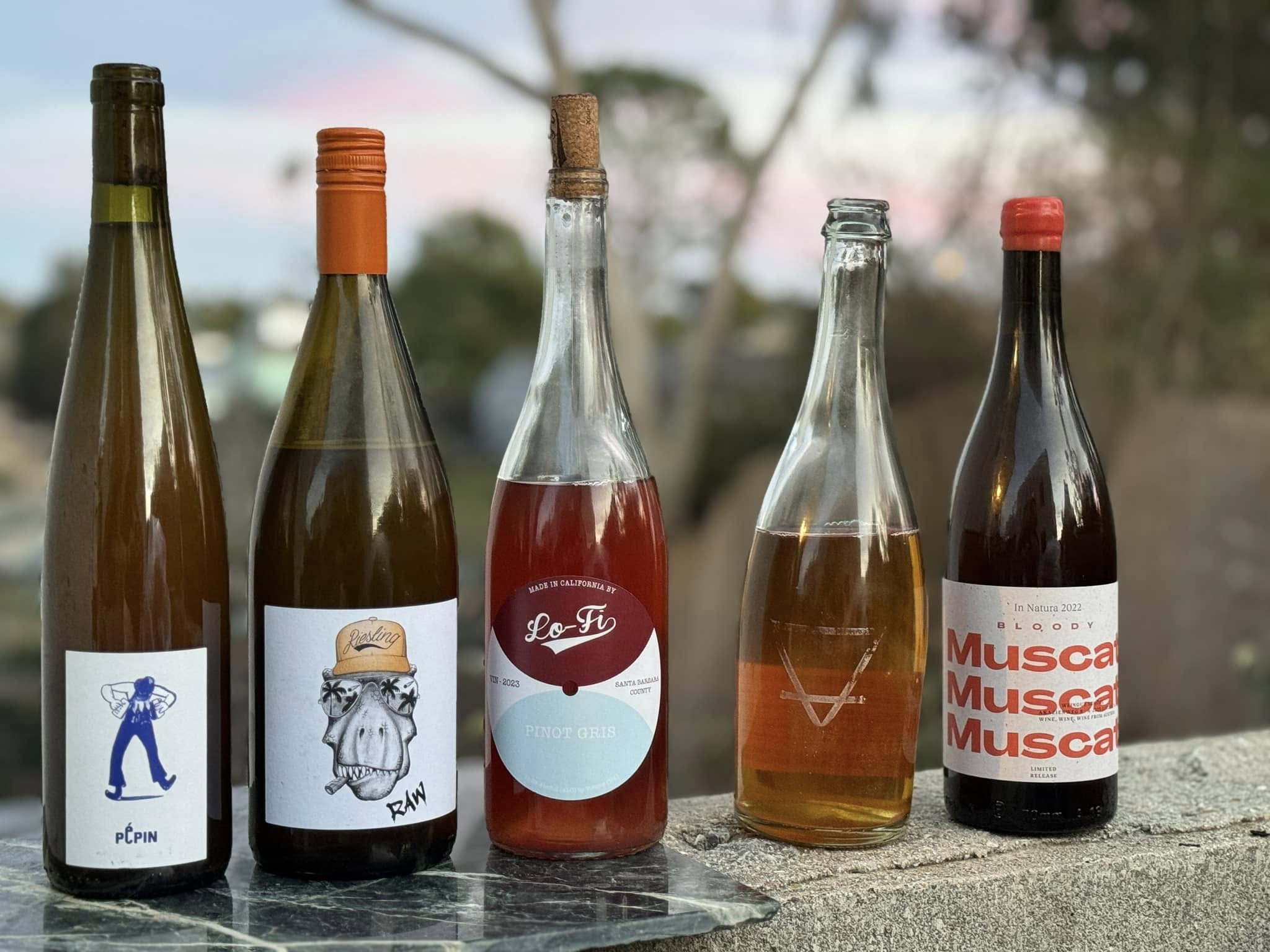
SKIN CONTACT WINES aka “orange” wines are made from “white” grapes all over the world, and while they may seem like a new phenomena, they are actually made in the most ancient technique where, instead of being immediately pressed off, the grape juice stays in contact longer with the skins, and that imparts color, texture, and flavor. Often these are known as “orange” or “amber” wines.
For this excursion into the world of orange wine, we have four from around the world — two from the old world countries of Germany and Austria, and two from the New World: Mexico and California. Continue reading →