“We teased him about buying a beach,” says Anne Bousquet about the sandy soil in the Argentine vineyards purchased by her father using money from the sale of his vineyards in France, “but he was adamant because this soil makes elegant wines and that characteristic was very important to him as a Frenchman.” Continue reading →
After plentiful December rains, followed by unusually dry weather through winter, spring dresses the hillsides of the Santa Clara Valley in orange poppies, purple lupine, yellow mustard, glossy avocado, and green grasses turning golden on sunny slopes. On this early spring morning, I’m headed to Santa Paula’s Clos des Amis South Mountain Winery for a story about Ventura County’s women in wine.So begins my latest cover article for the VC Reporter published in the March 24, 2022 edition and which you can read here.For the story behind the story, and for more fun photos from that day, keep reading!
VC Reporter cover 3/24/22 with Gretel Compton and Lisa Stoll in the Clos des Amis Albarino vineyard; read the story here
It’s bud break, an especially exciting and vibrant time to visit the vineyards as we embrace a new cycle of life coming out of the dormancy of winter and the labor of pruning the vines. Lots of lovely lupine in bloom too! Continue reading →
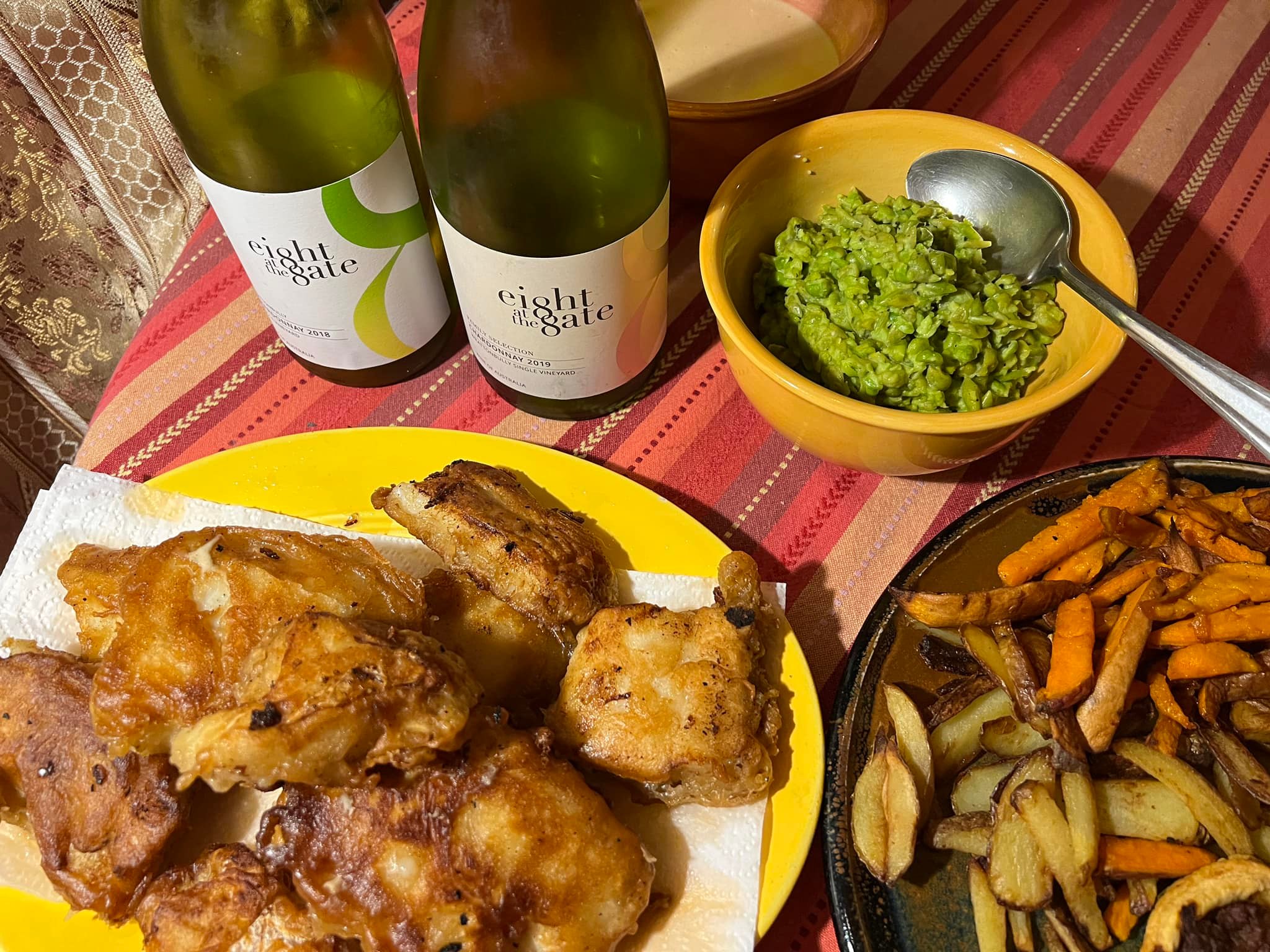
Harvest in the southern hemisphere is in full swing, and Jane Richards at Eight at he Gate in Southern Australia reports that all of the Pinot Gris and Chardonnay is in, and even with some big rain events, fruit was clean and quality very high. Continue reading →
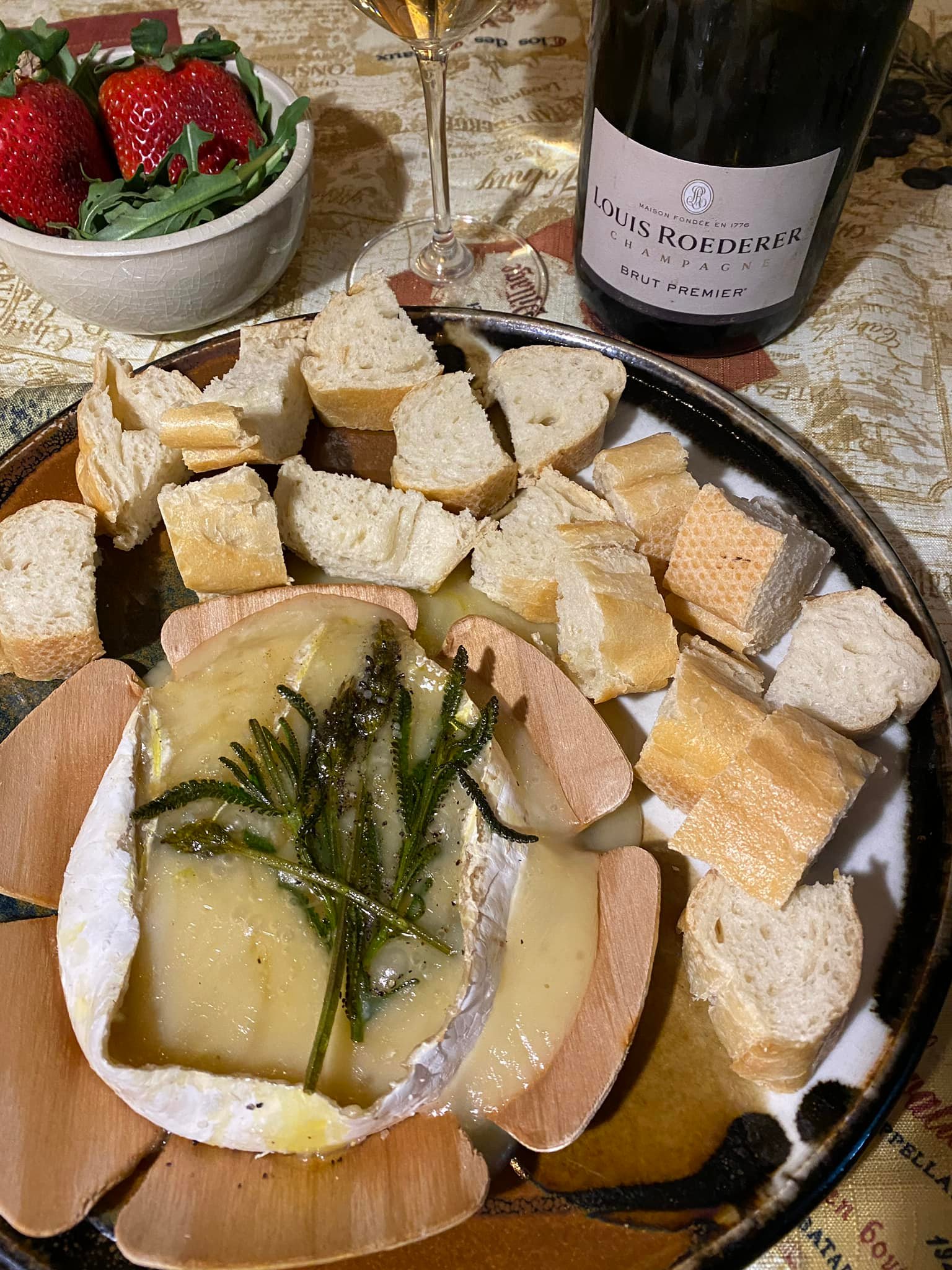
The yellow label of the high end Champagne is familiar to most, as is the name: Veuve Clicquot, which means the Widow Clicquot. There are many widows who have become famous in Champagne: in addition to Clicquot, Bollinger and Pommery are well known, plus Roederer.
Dessert is tricky for wine pairings because the wine needs to be sweeter than the dessert, and what’s the point of a dessert that has no sweetness to it? In general, I’m a solid NO when it comes to pairing dessert with wine– unless that wine is a dessert wine like Madeira or Port from Portugal.
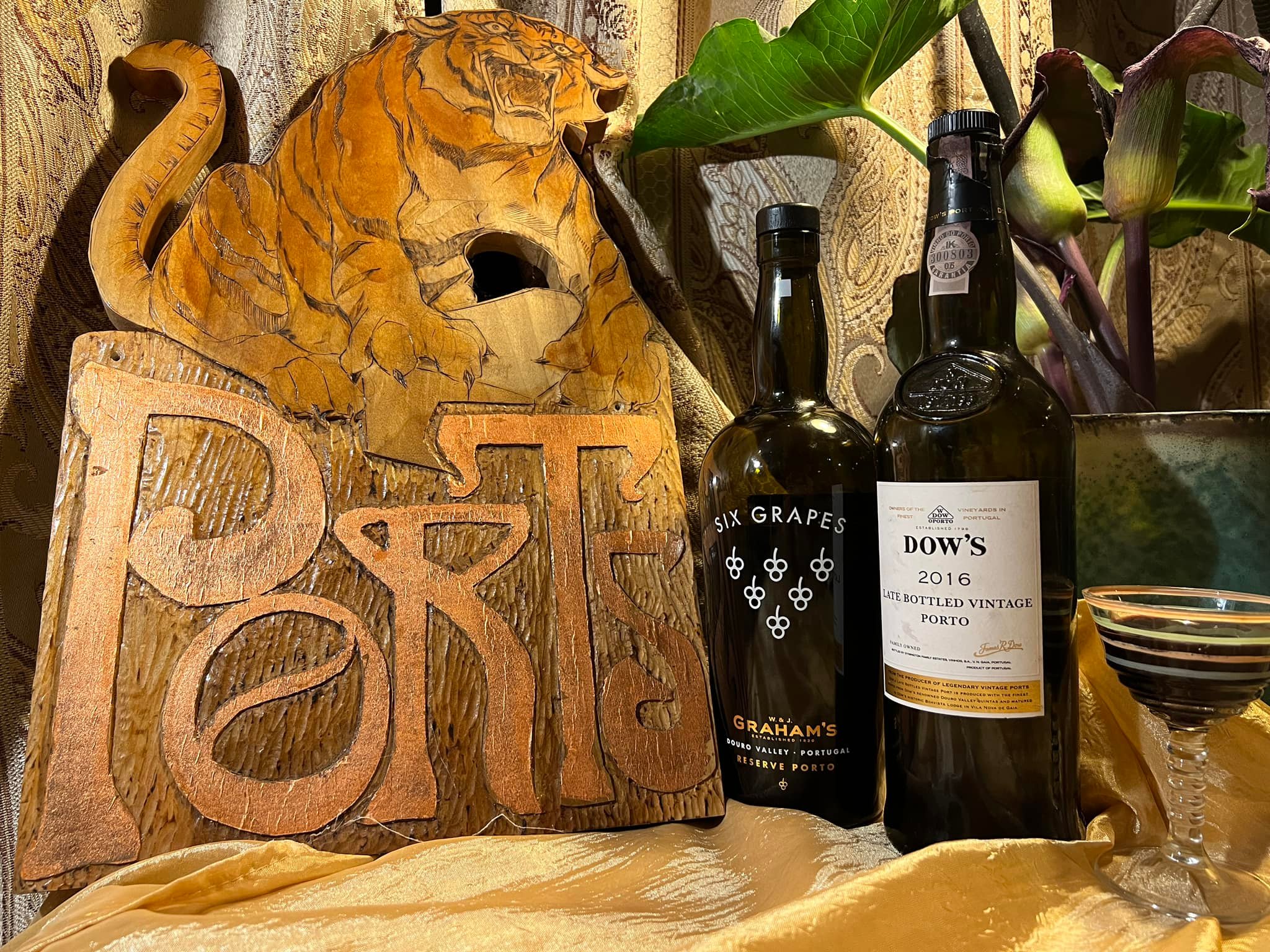
So what wine to pair with dessert, especially dark chocolate? How about these two Port wines from Portugal?
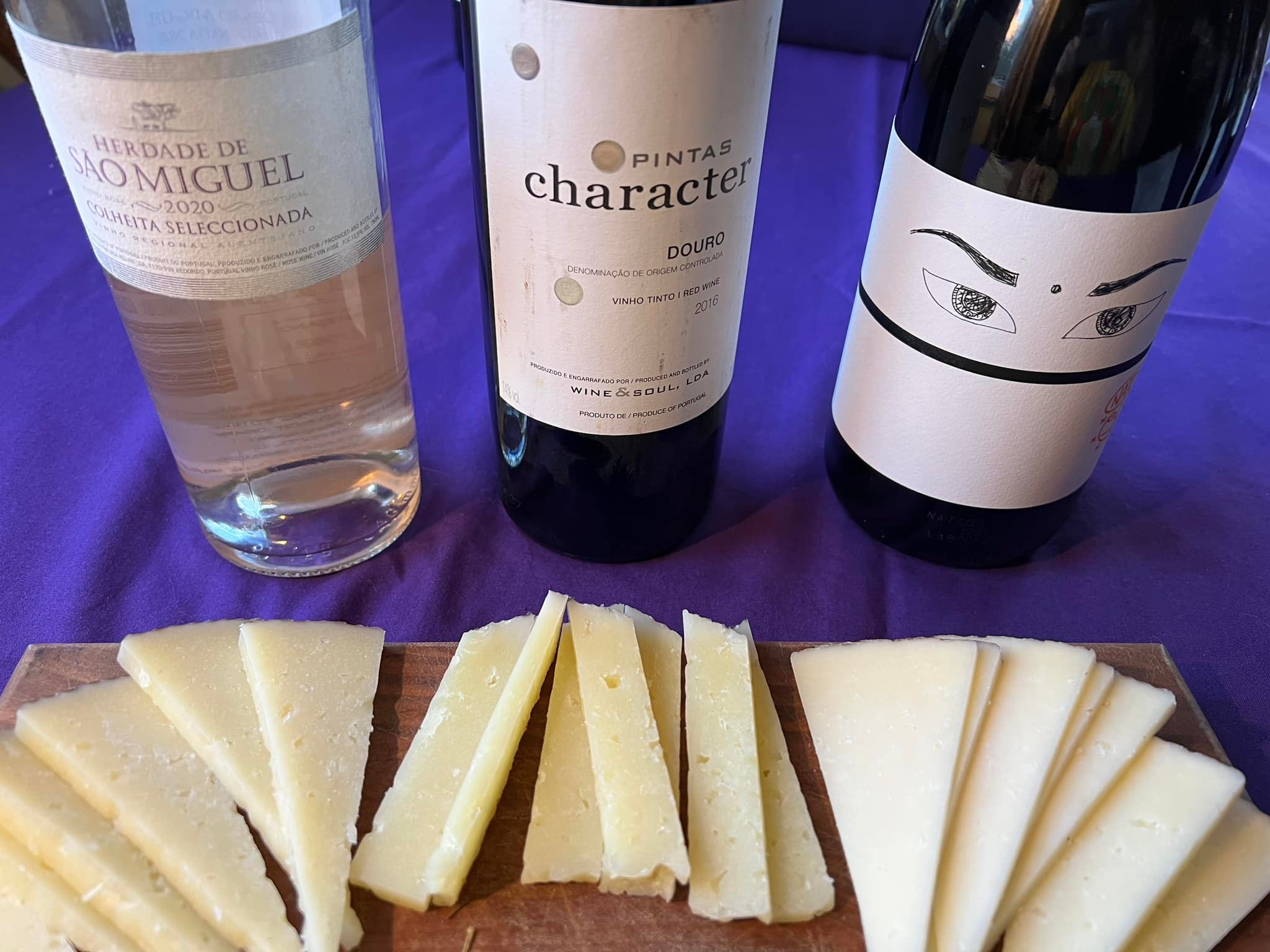
Portugal has an astounding number of native grapes, second only to Italy which often produces mono-varietal wines from its native grapes while Portugal generally plants a few kinds in the vineyard and blends them. Some Portuguese producers make mono-varietal Alicante Bouschet, Touriga Nacional, Antão Vaz, Baga, Loureiro, and others, however, generally Portuguese wines are blends like two of the three we have below and these four from Alentejo.
But as we discussed here in “Discover Portugal’s Native Grapes in Esporao Organic Blends Paired Alentejo Pork and Clams,” some of these grapes are better known by their Spanish or international names while others are not known at all. This month, the Wine Pairing Weekend crew of writers investigates wines from grapes that are new to us (scroll down for links!), and since for Sue and I at this point those wines are rare and few and far in between, we decided to focus on Portugal, where we found a wine which is completely new to us– BAGA.
Like other wines from Portugal, Baga is actually really well know to wine lovers of a certain generation: Continue reading →


 wine predator.............. gwendolyn alley