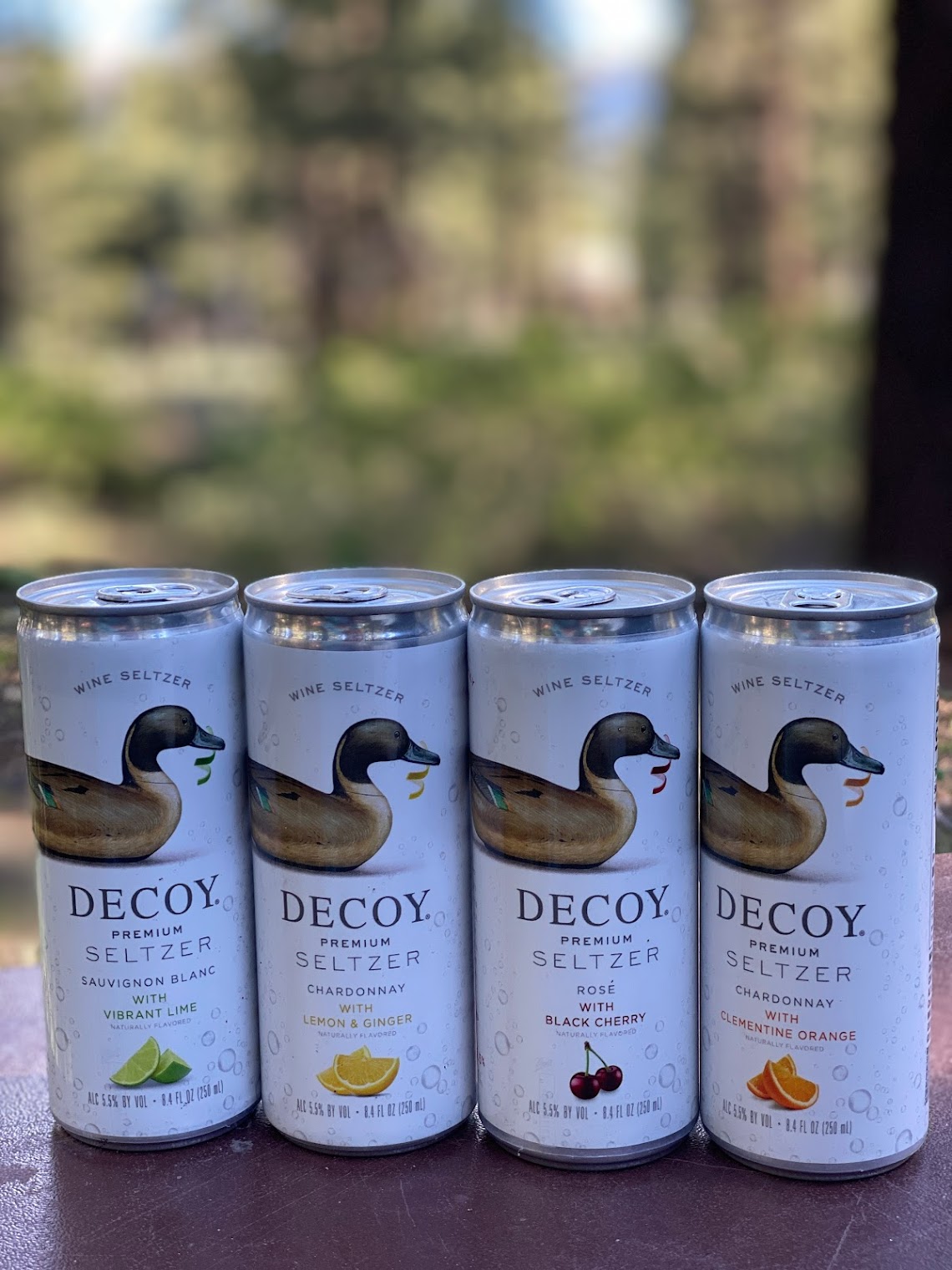
Stop giving Grandma White Zin!For this summery Wine Pairing Weekend event, we’re talking about canned wine paired with picnics. There’s a lot of canned wines out there these days, and they are super convenient as well as ecological. Cans are much lighter than bottles and aluminum recycles very easily back into a container for more wine! While we have a few samples of canned wines around, we decided to go a slightly different route, and focus on Decoy’s Seltzer as well as a bottle of their Decoy Merlot.Continue reading →
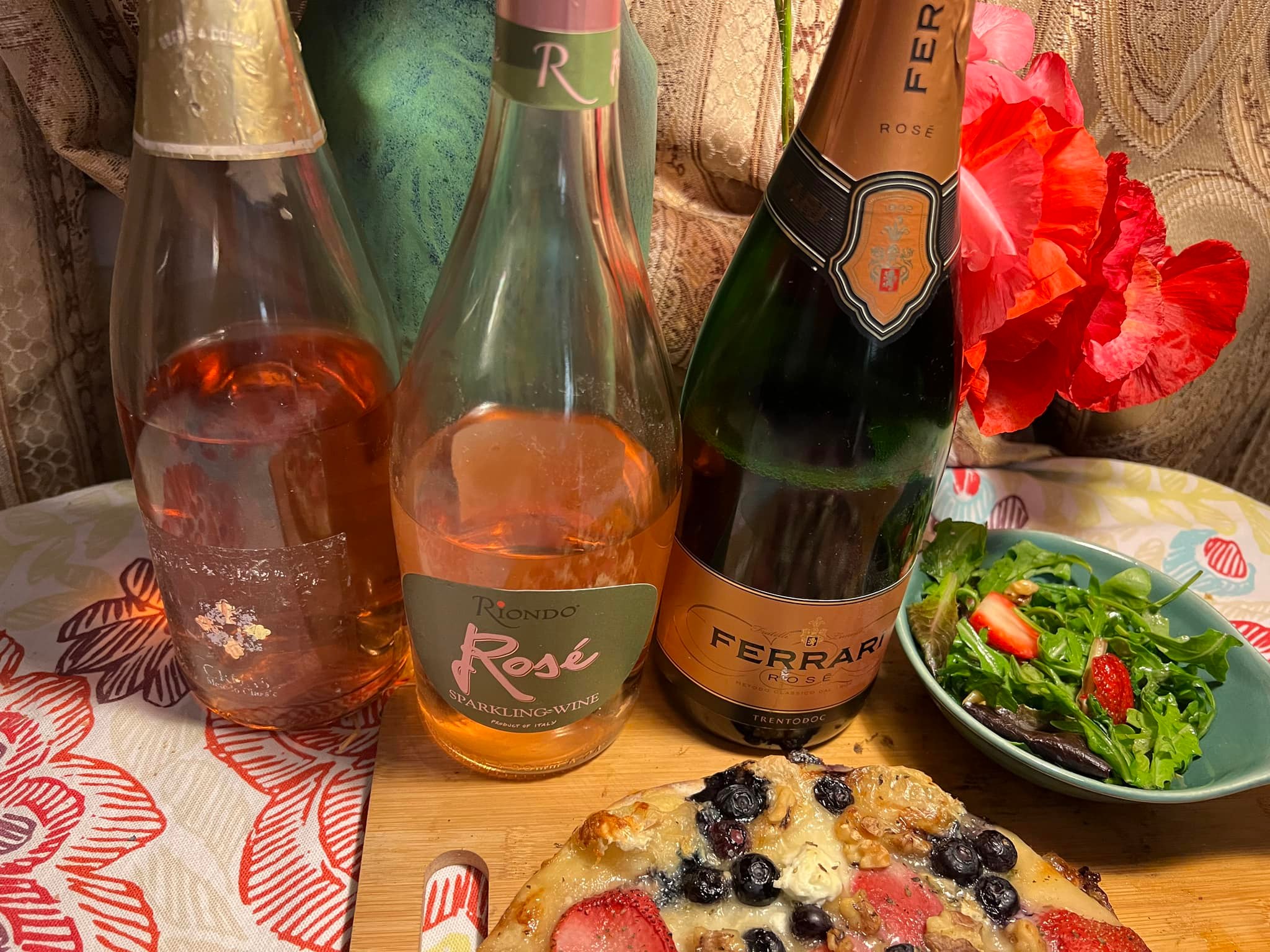
Whether you call it rosé in France, Portugal, or English-speaking countries, or rosado in Spanish, or rosato in Italian, with Rosé Day on the horizon the second Saturday of June, plus summer gatherings and other warm weather events, now’s the time to showcase rosé, a pink wine made from red grapes with little or no skin contact following pressing.
So to celebrate, how about three sparkling rosé wines from Italy that are unusual– and at three price points from affordable to special occasion? Continue reading →
In mid-September 2022, after building art at Burning Man and working harvest in California, I’m off to Italy! I’ll have about a week to help with harvest there in Tuscany or Lombardy or maybe both, then a week of conferences including the Slow Food Conference being held Th. Sept. 22 to Mon. Sept. 26, 2022 in Turin followed by the Wine Media Conference Weds. Sept 27 to Monday Oct. 3 where I’ll be leading a panel Continue reading →
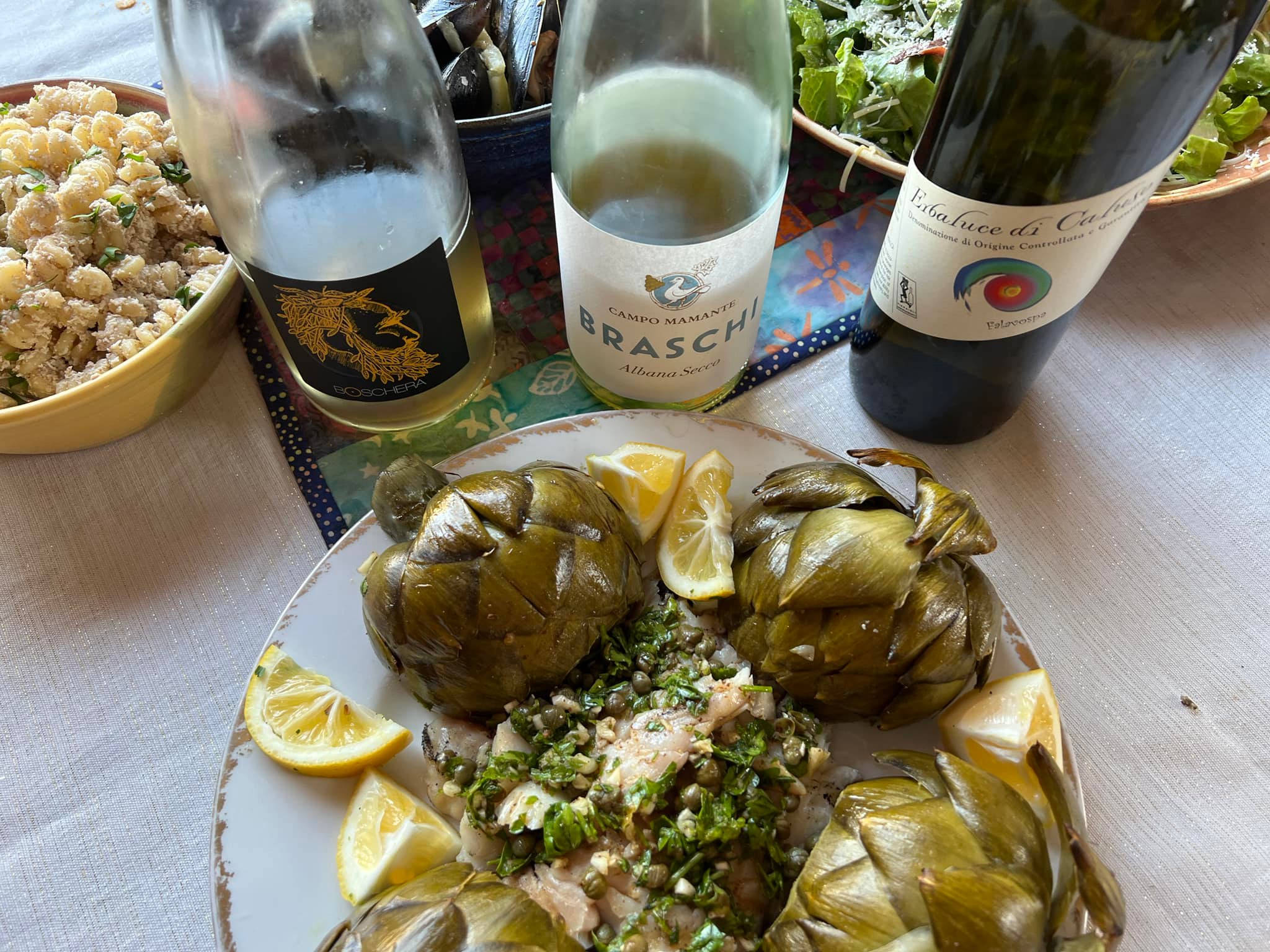
Ready to expand your indigenous Italian white wine horizons beyond Moscato (sweet and/or sparkling), Prosecco (made from the Glera grape), Soave’s Garganega, or Pinot Grigio? Maybe you’re already familiar with grapes like these as well as Trebbiano, which is grown in at least 80 Italian DOCs, making it the most widely grown white grape in all of Italy. Well we have some grapes for you to discover! Ever heard of these rare white grapes?
Albana
Boschera
Erbaluce
Incrocio Bruni
Maceratino
Just how rare are these grapes? In Italian Grapes Unplugged: Grape by Grape, these grapes are listed as “rare” and some are being recovered after almost going extinct. This is the first time we’ve tasted three of these grapes, and
this is the first time Boschera has ever been tasted in the US! How special and rare is that?
You’d think you’d have to go to Italy to find wines as rare as these. But in the US, we are fortunate that Continue reading →
Ginger Prince with smoked egg salad on a croissant
It’s Rosé All May, and it’s time to say hey to summer with the Ginger Prince hailing from the cool granite highlands of the Strathbogie Ranges 90 minutes northeast of Melbourne, in the heart of Victoria, Australia. A high-altitude and cool climate region, Strathbogie Ranges are built from 360 million year old boulders on a huge granite peninsula pushed up from the ocean. Continue reading →
“What do you mean, Chardonnay Day?” Sitting in the midst of a Ventura County vineyard, we were taking a break from the hot sun and the rather intensive work of shaping the over grown goblet vines back into something that resembled trees. Our break, of course, included wine and sandwiches from Fillmore’s Roan Bakery. But no Chardonnay, I remarked, and “What about Chardonnay Day?” I asked.
The appropriately named Rick Bakas came up with the idea of Chardonnay Day following the success of Cabernet Day. Now, just about every wine you can name off the top of your head has its own day.
And Sue Hill and I are happy to try to celebrate all of them because Continue reading →
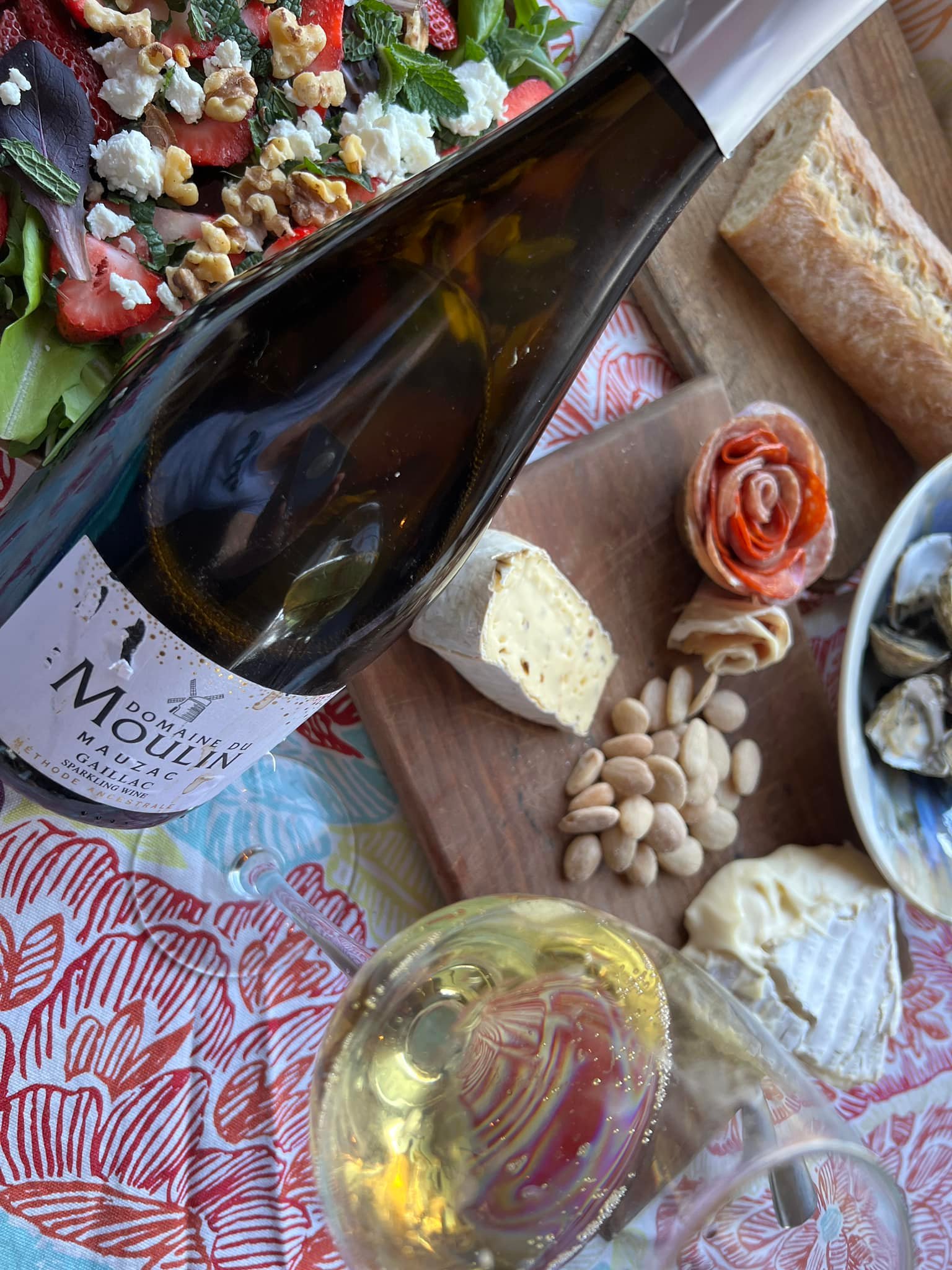
Mauzac? No it’s not a typo for Muzak and no surprise that it’s an unfamiliar grape for most people! Mauzac is a rather rare grape–only 8k acres in 2000 grown in southwestern France, especially Gaillac and Limoux. It is also one of the lesser known of the seven white grapes permitted in Bordeaux, overshadowed by Sauvignon Blanc and semillon. Mauzac offers Continue reading →


 wine predator.............. gwendolyn alley