2 Prosecco DOC Wines, Italian Inspired Small Bites
As I sit here working outside a cafe in a quiet “village” near California’s Lake Tahoe during a record breaking heat wave, I am drinking an iced espresso–with too much ice and not great espresso– and I remember all the bustling cafes I visited in Rome, Verona, Venice, and Bologna, the fun street scenes, and what they had in common: delicious colorful Prosecco spritzes made with Aperol, Campari, limoncello and other local appertivos served with snacks. How to create that experience back home? That’s what Sue Hill and I worked on last week in advance of Prosecco Week this week beginning yesterday July 17 and continuing until Sunday– plenty of time to get your Prosecco on! Continue reading →
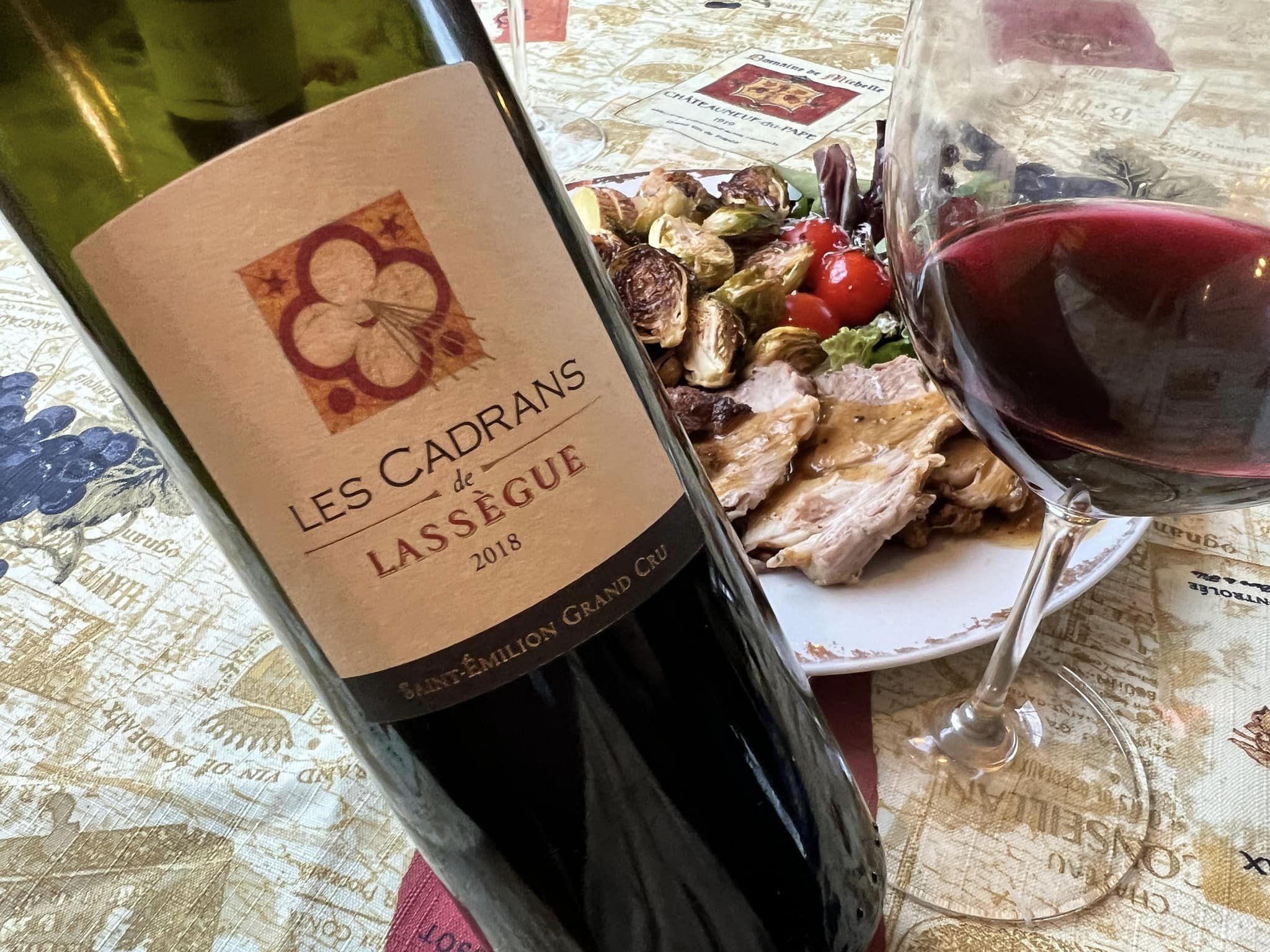
What’s new in Bordeaux? The largest appellation in France, Bordeaux is six times the size of Napa at 266,760 acres, with 650 million bottles produced in 2020: 18 bottles of Bordeaux are sold every second around the world, and averaging only $20 a bottle. Some 5300 winegrowers work with estates averaging only 50 acres with 75% of them using a certified environmental approach, a number that’s increasing annually. Of those, 74 estates are biodynamic, which is difficult in Bordeaux’s climate due to humidity coming from the nearby Atlantic causing pressure from diseases. While 85% of the production in Bordeaux is red with 66% of plantings being merlot, rose, dry whites and sparkling wines are increasing in popularity and production with 9% dry white wines and 1% cremant with semillon 45% and Sauvignon Blanc 47%.
When is a sparkling wine from Spain not Cava? While the blend of 40% Xarel-lo, 35% Macabeu, 20% Parellada, and 5% Malvasia de Sitges sounds like Cava, this wine is not from one of the six Cava D.O.s in Spain–Aragon, Navarra, Rioja, Pais Vasco, Valencia and Extremadura — which produce about 10%. And it’s not a Cava coming from Catalonia near Penedes in northeastern Spain, even though originally Cava could only come from Catalonia, and 90s% still comes from Catalonia, however, now it can come from anywhere. This sparkling Spanish wine is from the Raventos family who decided to leave their Cava D.O. and form a new one, Conca del Riu Anoia.
This is really saying something as the Raventos family has been growing grapes and making wine since 1497, making them the family with the longest documented winegrowing tradition in Europe– and they Continue reading →
Paradise in Tuscany: Organic Farming at Antonella Manulli’s Fattoria La Maliosa
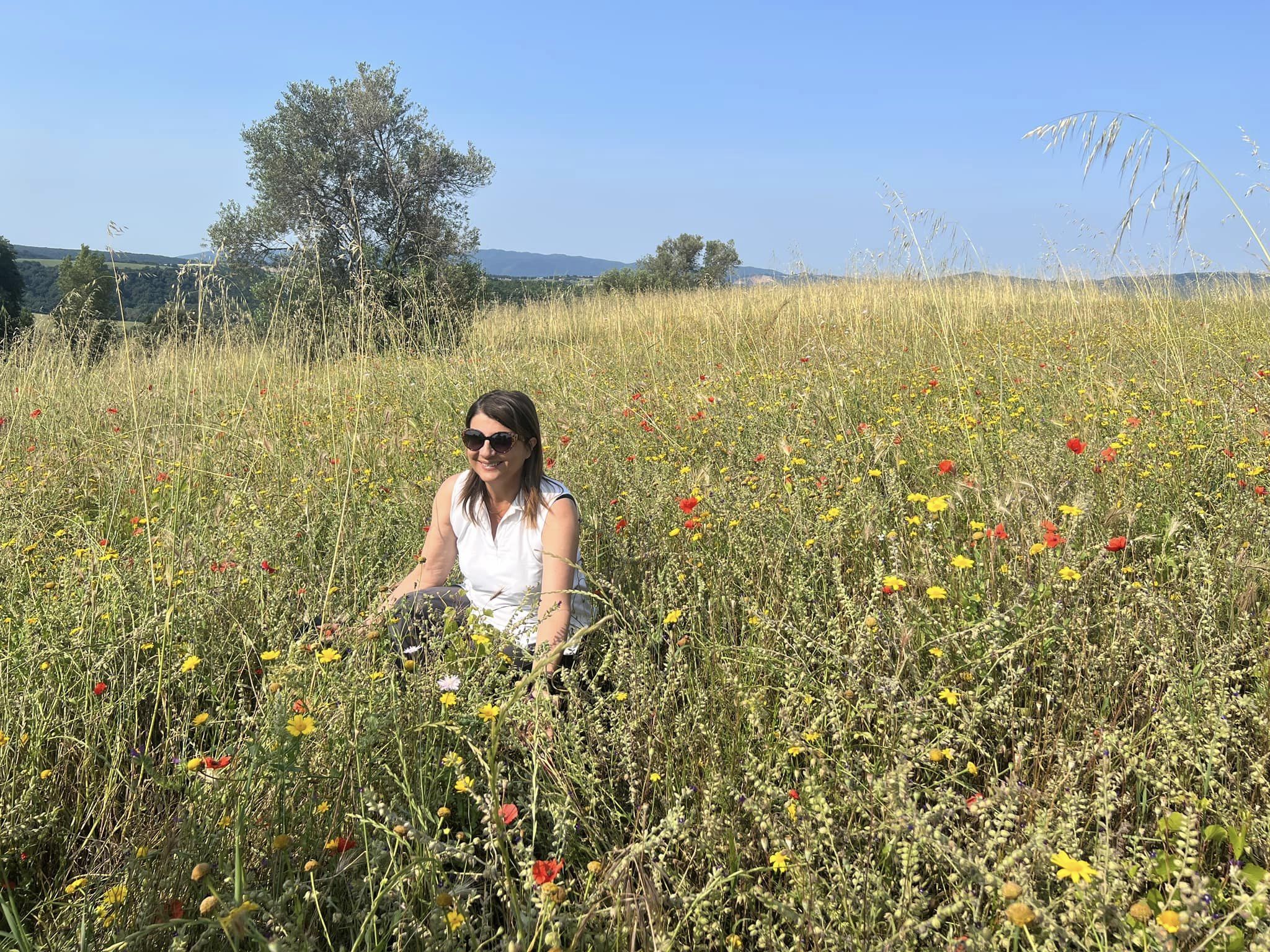
When is a field of wildflowers in southern Tuscany actually a vineyard? When it is under the care of Antonella Manuli! Following the patented “Metodo Corino” which she developed with Lorenzo Corino (in memoriam), for this new vineyard, which she planned with Lorenzo before he died, Antonella first mowed the grass on the hillside, then seeded it with a legume to add nitrogen, then letting it go for two years before planting root stalk in February 2023. You have to search the ground closely to see the baby vines nestled among the native grasses and flowers but they are there, sending down roots in the volcanic soil of this area of Maremma in Southern Tuscany and gaining strength with plenty of rain this year as well as sunshine. Normally by June these wildflowers would be gone and all the green turned brown!
Thriving Rootstalk planted February 2023 at Fattoria La Maliosa destined to become Sangiovese
Organic Veramontes Chardonnay from Chile’s Cool Coast
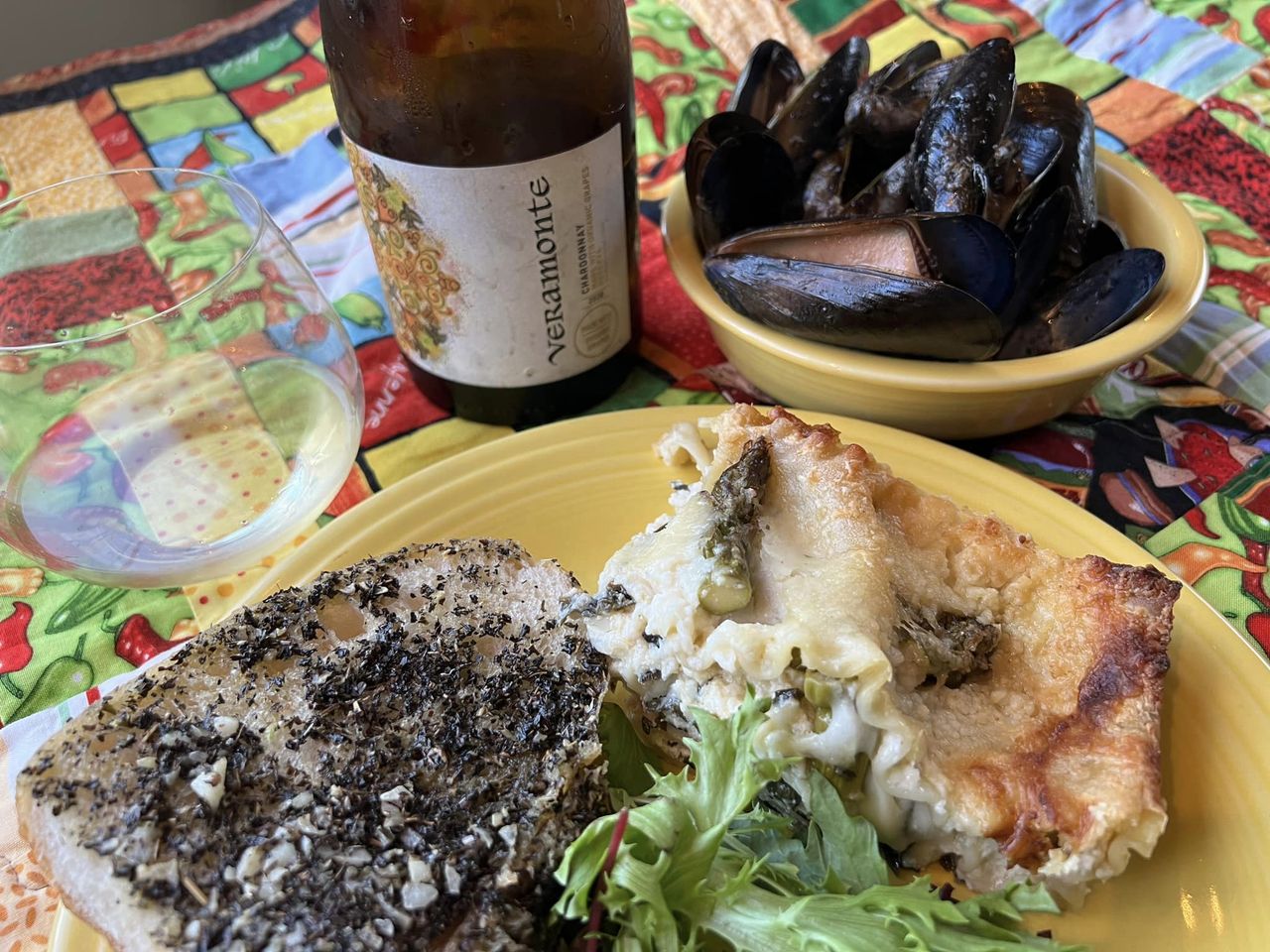
What’s terroir and why does the land on which a particular product grows affect its quality and valued? How might Chardonnay from one place differ from another? That’s a challenge we took last month in advance of Chardonnay Day when we compared four from around the world, writing about the wines from Bourgnogne, Oregon, and Czech Republic here. and saving the notes about Chile’s organic Veramontes for this post when this month the World Wine Travel writers are focused on wines from coastal Chile (see below); read Martin’s invitation here.Continue reading →
Pairing Italian Wine and Italian Cheese in California
Wine goes with cheese. But not all wines go with all cheeses! Some pairings are extraordinary, some hum hum, and some make the wine or the cheese taste terrible. Finding the magic combinations is one of our joys here on Wine Predator; the right combination brings us so much joy! In general, we’ve learned: mild cheeses are better with mild wines, more robust wines pair best with robust cheeses. Think sauvignon blanc and goat cheese, Pinot Noir and brie, smoked cheese with rose, cheddar and red wines, blue cheese and sweet wines; these are some of our favorite, and easy go-to pairings. The beauty of a cheese board is to have a a few favorites and some surprises and to taste through to see what tickles your tastebuds! Continue reading →






 wine predator.............. gwendolyn alley