When is a sparkling wine from Spain not Cava? While the blend of 40% Xarel-lo, 35% Macabeu, 20% Parellada, and 5% Malvasia de Sitges sounds like Cava, this wine is not from one of the six Cava D.O.s in Spain–Aragon, Navarra, Rioja, Pais Vasco, Valencia and Extremadura — which produce about 10%. And it’s not a Cava coming from Catalonia near Penedes in northeastern Spain, even though originally Cava could only come from Catalonia, and 90s% still comes from Catalonia, however, now it can come from anywhere. This sparkling Spanish wine is from the Raventos family who decided to leave their Cava D.O. and form a new one, Conca del Riu Anoia.
This is really saying something as the Raventos family has been growing grapes and making wine since 1497, making them the family with the longest documented winegrowing tradition in Europe– and they Continue reading →
Paradise in Tuscany: Organic Farming at Antonella Manulli’s Fattoria La Maliosa
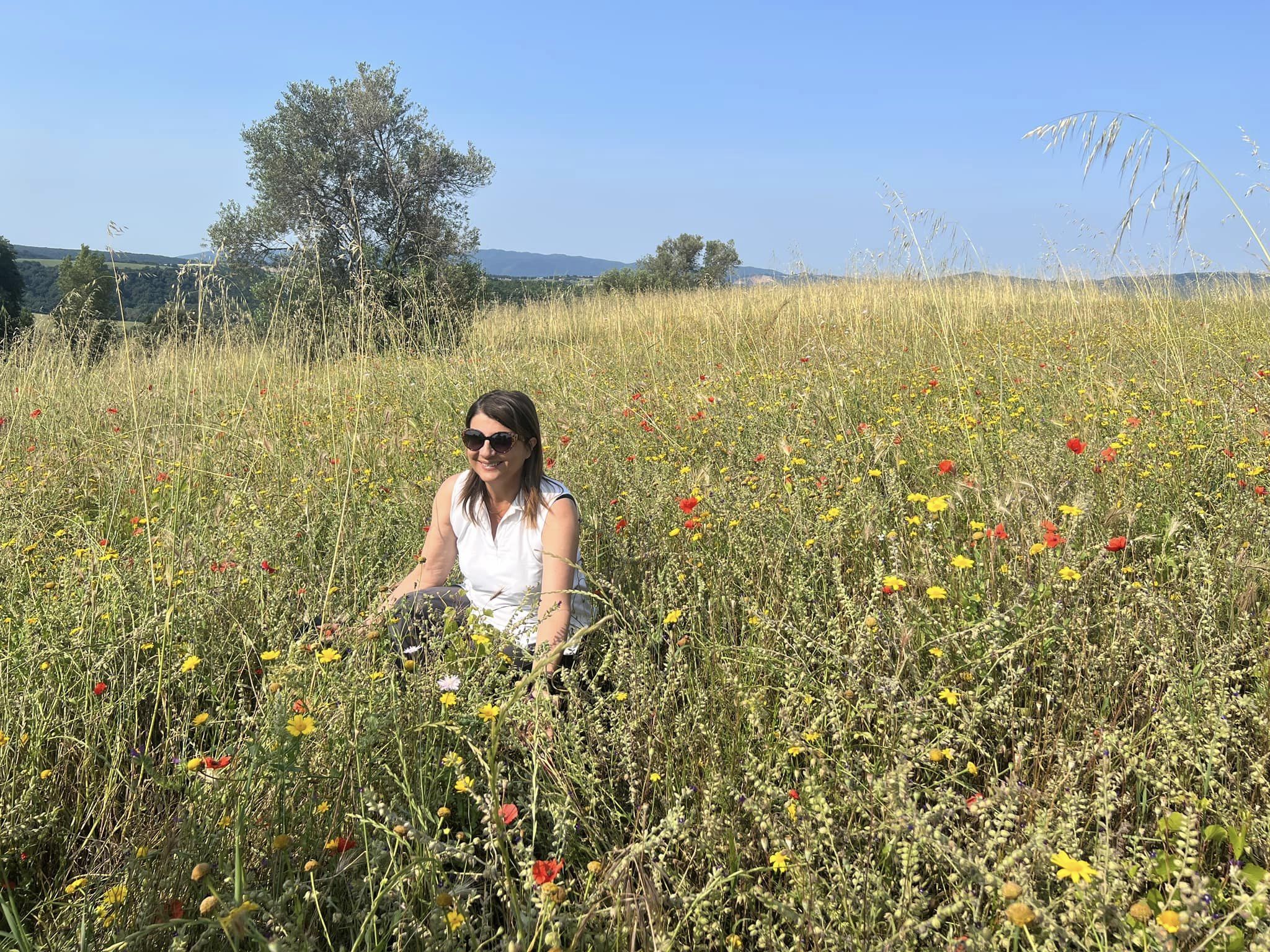
When is a field of wildflowers in southern Tuscany actually a vineyard? When it is under the care of Antonella Manuli! Following the patented “Metodo Corino” which she developed with Lorenzo Corino (in memoriam), for this new vineyard, which she planned with Lorenzo before he died, Antonella first mowed the grass on the hillside, then seeded it with a legume to add nitrogen, then letting it go for two years before planting root stalk in February 2023. You have to search the ground closely to see the baby vines nestled among the native grasses and flowers but they are there, sending down roots in the volcanic soil of this area of Maremma in Southern Tuscany and gaining strength with plenty of rain this year as well as sunshine. Normally by June these wildflowers would be gone and all the green turned brown!
Thriving Rootstalk planted February 2023 at Fattoria La Maliosa destined to become Sangiovese
Organic Veramontes Chardonnay from Chile’s Cool Coast
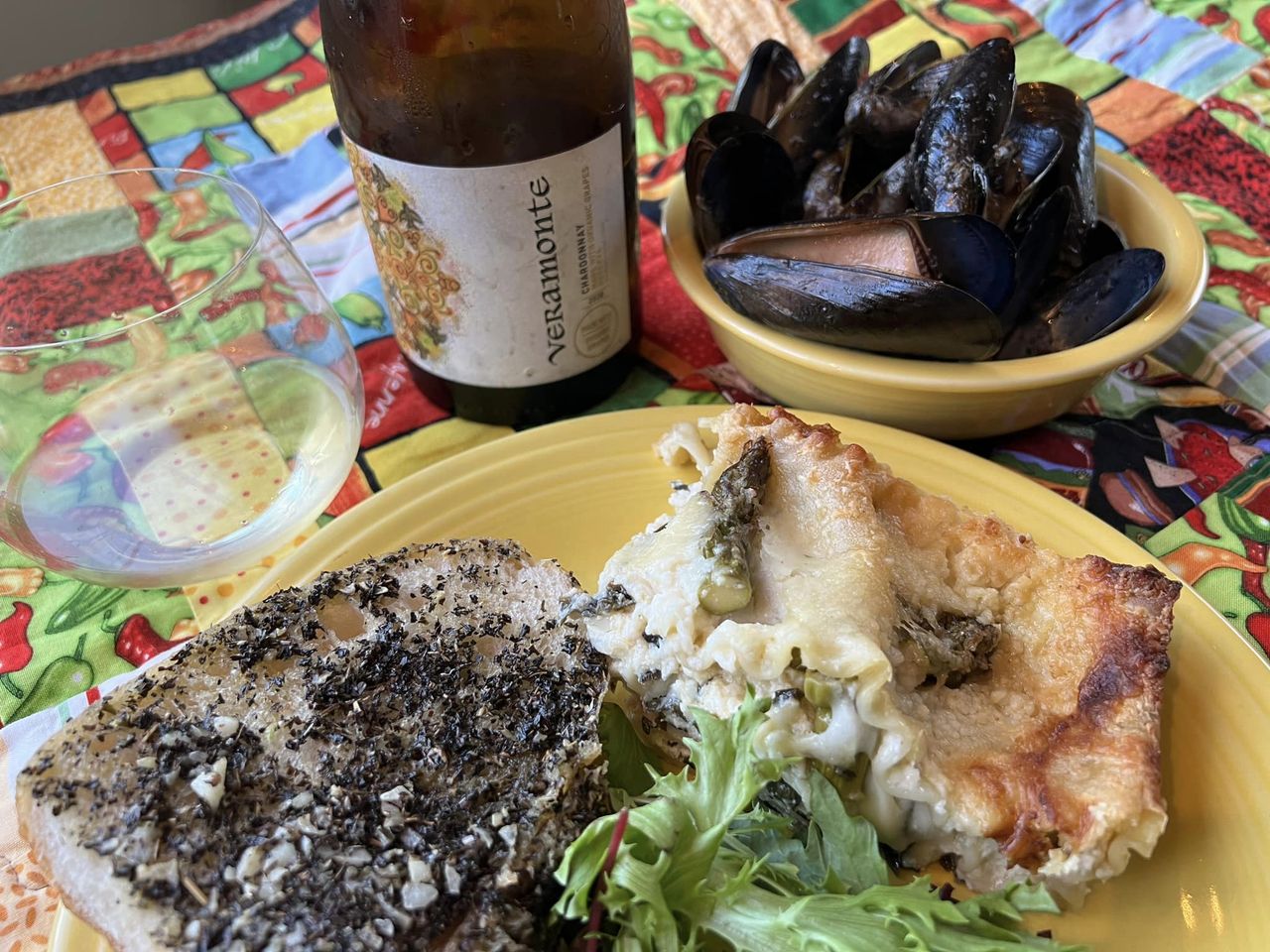
What’s terroir and why does the land on which a particular product grows affect its quality and valued? How might Chardonnay from one place differ from another? That’s a challenge we took last month in advance of Chardonnay Day when we compared four from around the world, writing about the wines from Bourgnogne, Oregon, and Czech Republic here. and saving the notes about Chile’s organic Veramontes for this post when this month the World Wine Travel writers are focused on wines from coastal Chile (see below); read Martin’s invitation here.Continue reading →
Pairing Italian Wine and Italian Cheese in California
Wine goes with cheese. But not all wines go with all cheeses! Some pairings are extraordinary, some hum hum, and some make the wine or the cheese taste terrible. Finding the magic combinations is one of our joys here on Wine Predator; the right combination brings us so much joy! In general, we’ve learned: mild cheeses are better with mild wines, more robust wines pair best with robust cheeses. Think sauvignon blanc and goat cheese, Pinot Noir and brie, smoked cheese with rose, cheddar and red wines, blue cheese and sweet wines; these are some of our favorite, and easy go-to pairings. The beauty of a cheese board is to have a a few favorites and some surprises and to taste through to see what tickles your tastebuds! Continue reading →
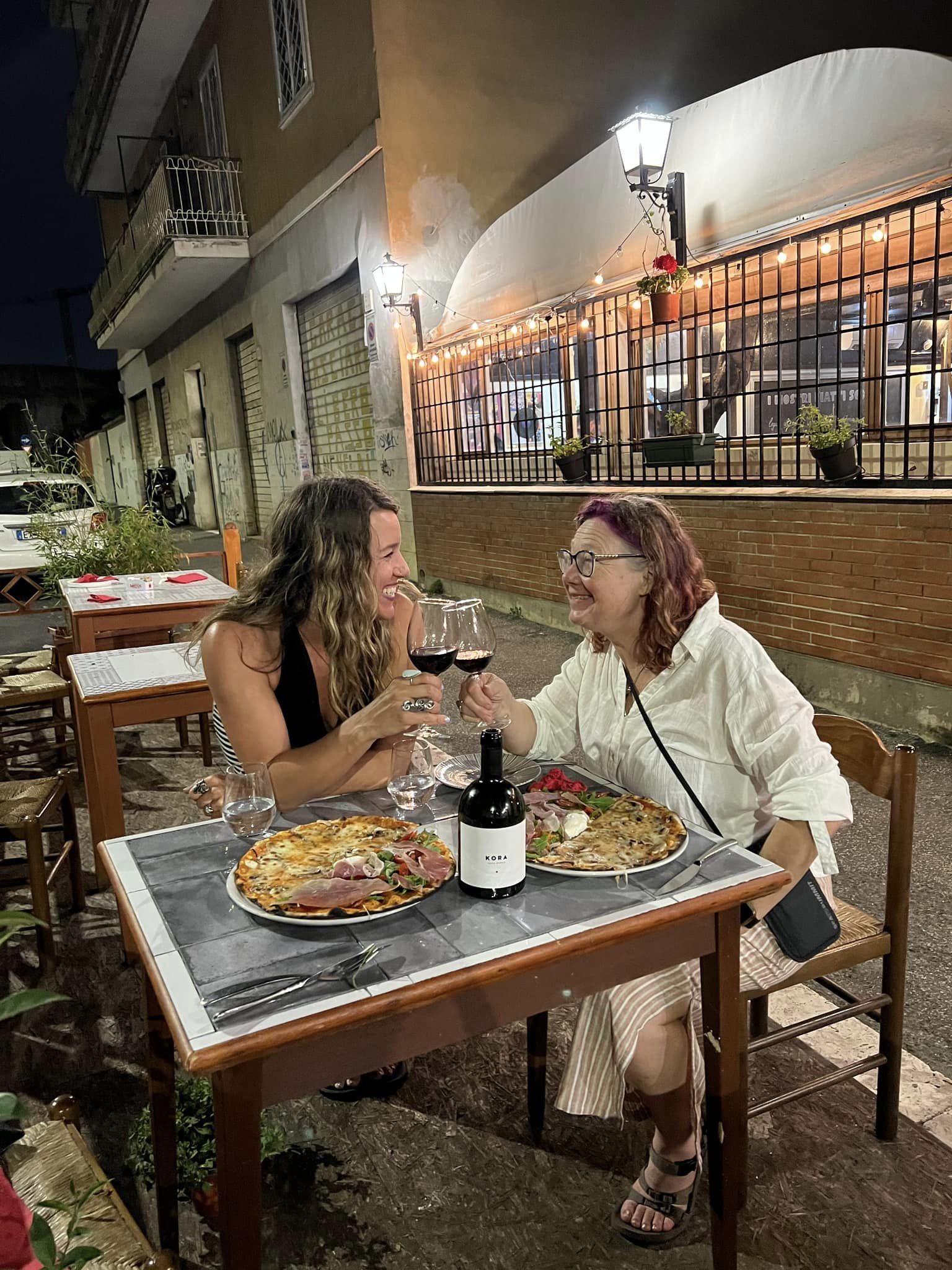
When in Rome, do as the Romans do! Meaning eat and drink food and wine from the province of Lazio of which Rome is the capital! The proverb comes from medieval Latin sī fuerīs Rōmae, Rōmānō vīvitō mōre; sī fuerīs alibī, vīvitō sīcut ibī —shortened to when in Rome…), and is attributed to Saint Ambrose meaning best to follow the traditions or customs of a place being visited. The story goes that Saint Monica and her son, Saint Augustine learned Saturday was observed as a fast day in Rome, when it’s not a fast day in Milan. Saint Ambrose responded with “When I am here (in Milan) I do not fast on Saturday, when in Rome I do fast on Saturday” according to Wikipedia leading to the saying “When in Rome, do as the Romans do”the past.
And since I flew into Rome June 1 and stayed for a few days, it was a perfect opportunity to explore the city with Lazio food and wine in mind and join the Italian Food Wine Travel group of wine writers virtually while I am in Roma in person! Continue reading →
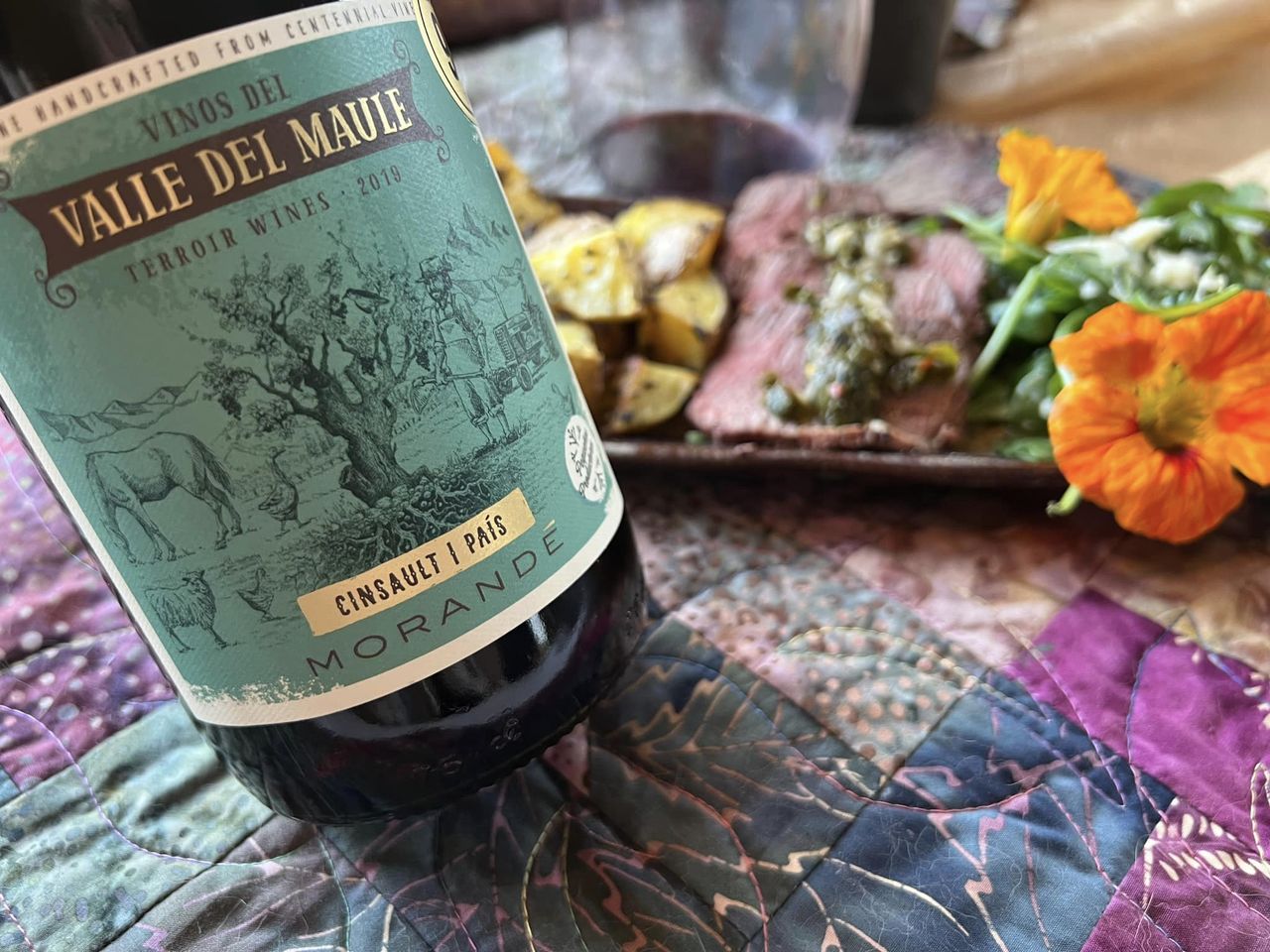
Pais means country in Spanish, and in Chile, it also signifies a rustic red grape. Ampelographers believe Pais the grape, along with the Criolla Grande grape of Argentina and the Mission grape of California, are descended from the “common black grape” brought to Mexico in 1520 by the Spanish conquistador Hernán Cortés. Along with Spanish missionaries, the grape spread throughout the Americas; my grandfather planted the Mission grape in his yard in the Mission town of San BuenaVentura hoping to make wine from it. In Chile, the Pais grape was an important wine grape until the late 20th and early 21st centuries when Bordeaux wine varietals like Cabernet Sauvignon became more prominent. In the 1940s, Cinsault brought color and structure to wines made with País. Continue reading →





 wine predator.............. gwendolyn alley