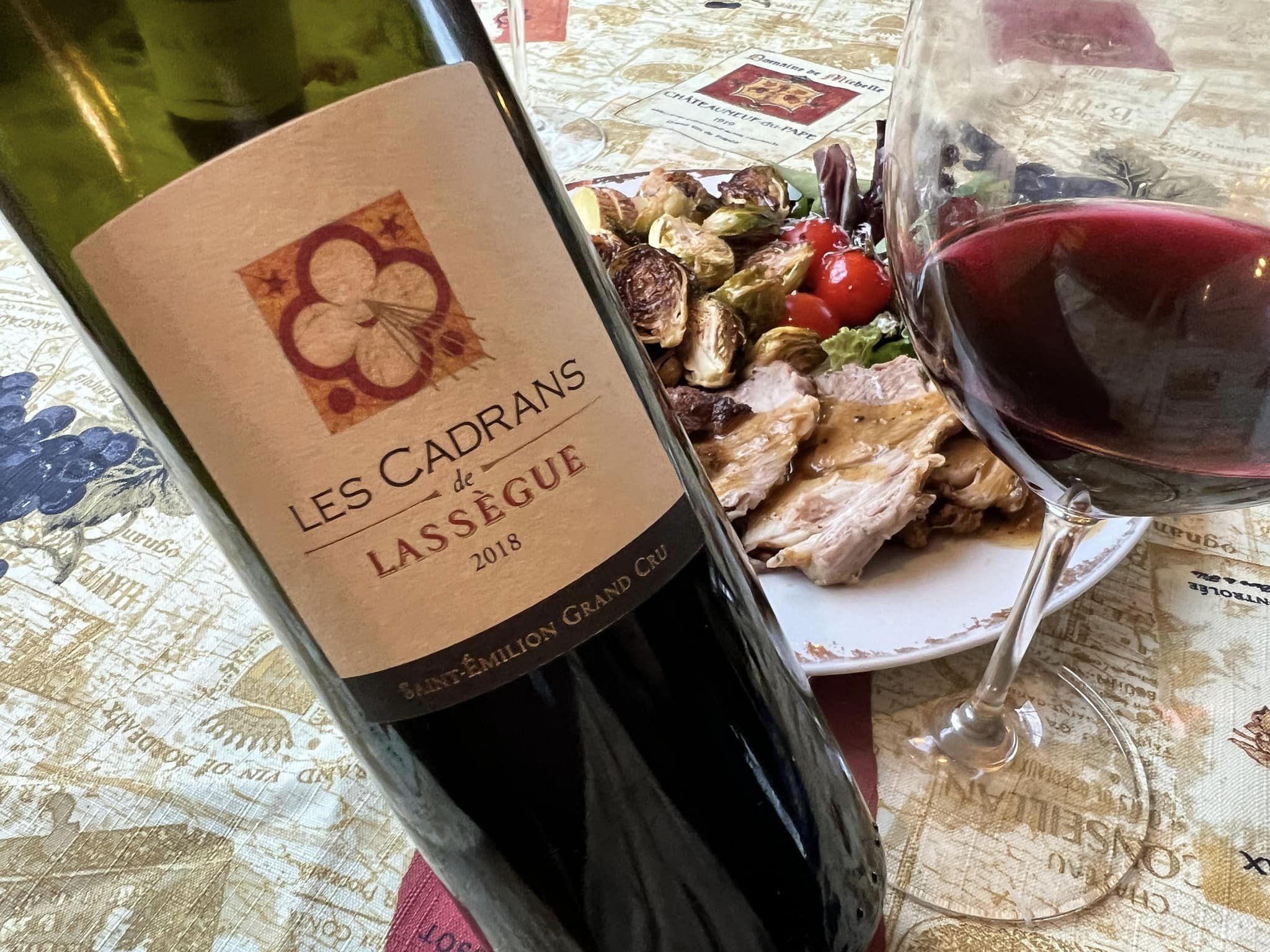
When Sue came over to do Rosè from Provence paired with fish tacos for this month’s “Summer in Provence” prompt with the Winophiles, I discovered I was fresh out of Rosè from Provence! Instead of making a run for the store, I turned to France’s second oldest wine region, Côtes du Rhône, located just north of Provence, where recently Continue reading →
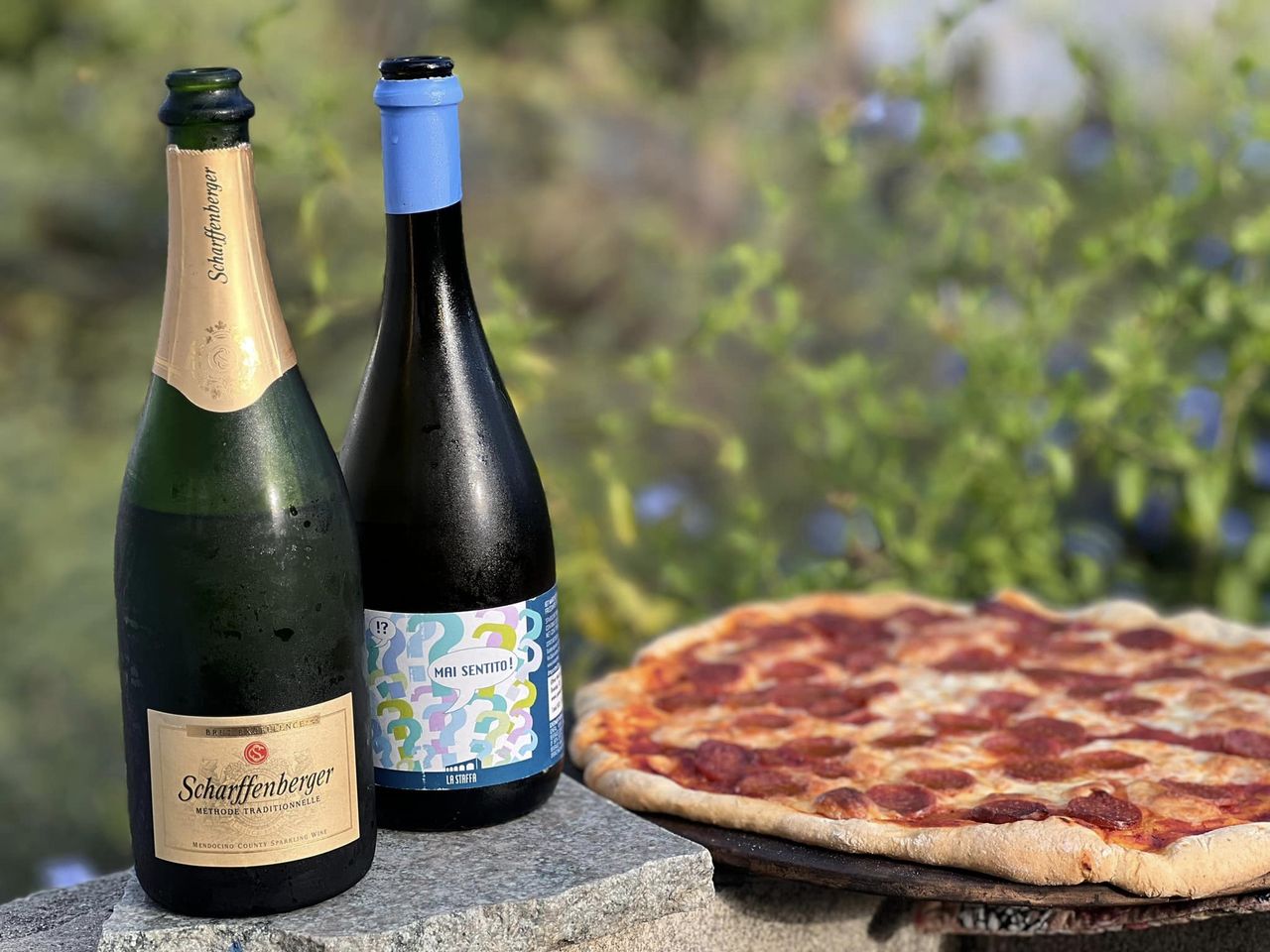
Sparkling Whites from Mendo’s Scharffenberger and Marche’s Mai Sentito Pair with Pizza
What are your favorite pairings with pizza? When I was a kid, it was root beer. When I was older, I loved sharing pizza and a pitcher of beer with friends, and famed Italian pizza chef swears by beer; he even has a signature beer available at his award winning restaurants 50 Kalo in Rome, Naples, and London. Wine lovers like me turn to red wine, favoring Chianti or Montepulciano d’Abruzzo, and if I can find it, Nerello Mascalese. But on a warm summer night, I like Continue reading →
2 Red Pet Nats by Women Winemakers Paired with Pasta Bolognese and Fennel Flower Salad
Following years of drought, devastating floods bring more rain in a few weeks time than in the previous year. Sound familiar? Maybe a little like California in 2023? While we in California did experience floods that triggered an emergency declaration in many counties of California including Ventura where I live, today I want to call attention to the spring floods that came in May to Italy’s Emilia Romagna when the same amount of rain that might fall in seven months fell in two weeks in a series of storms, and people are still recovering. Continue reading →
What are South American “Native” Grapes? These days, everyone knows and loves Malbec from Argentina. In fact it is so widely identified with Argentina that it is easy to forget that it is not a “native grape” of South America but originally from France. Side by side, the two are very different, with the one from Argentina typically much more accessible and full of fruit as well as easier to find and affordable. Less well known but equally at home and flourishing in Argentina is Bonarda, originally from Savoy. A third grape that is making a name for itself in Argentina is Torrontes, a white wine grape with a convoluted history, but the one that actually is the most “native” as its heritage is the Criollas group of grape varieties which refers to American-born versions of the European grapevine.
2 Prosecco DOC Wines, Italian Inspired Small Bites
As I sit here working outside a cafe in a quiet “village” near California’s Lake Tahoe during a record breaking heat wave, I am drinking an iced espresso–with too much ice and not great espresso– and I remember all the bustling cafes I visited in Rome, Verona, Venice, and Bologna, the fun street scenes, and what they had in common: delicious colorful Prosecco spritzes made with Aperol, Campari, limoncello and other local appertivos served with snacks. How to create that experience back home? That’s what Sue Hill and I worked on last week in advance of Prosecco Week this week beginning yesterday July 17 and continuing until Sunday– plenty of time to get your Prosecco on! Continue reading →
What’s new in Bordeaux? The largest appellation in France, Bordeaux is six times the size of Napa at 266,760 acres, with 650 million bottles produced in 2020: 18 bottles of Bordeaux are sold every second around the world, and averaging only $20 a bottle. Some 5300 winegrowers work with estates averaging only 50 acres with 75% of them using a certified environmental approach, a number that’s increasing annually. Of those, 74 estates are biodynamic, which is difficult in Bordeaux’s climate due to humidity coming from the nearby Atlantic causing pressure from diseases. While 85% of the production in Bordeaux is red with 66% of plantings being merlot, rose, dry whites and sparkling wines are increasing in popularity and production with 9% dry white wines and 1% cremant with semillon 45% and Sauvignon Blanc 47%.
When is a sparkling wine from Spain not Cava? While the blend of 40% Xarel-lo, 35% Macabeu, 20% Parellada, and 5% Malvasia de Sitges sounds like Cava, this wine is not from one of the six Cava D.O.s in Spain–Aragon, Navarra, Rioja, Pais Vasco, Valencia and Extremadura — which produce about 10%. And it’s not a Cava coming from Catalonia near Penedes in northeastern Spain, even though originally Cava could only come from Catalonia, and 90s% still comes from Catalonia, however, now it can come from anywhere. This sparkling Spanish wine is from the Raventos family who decided to leave their Cava D.O. and form a new one, Conca del Riu Anoia.
This is really saying something as the Raventos family has been growing grapes and making wine since 1497, making them the family with the longest documented winegrowing tradition in Europe– and they Continue reading →