
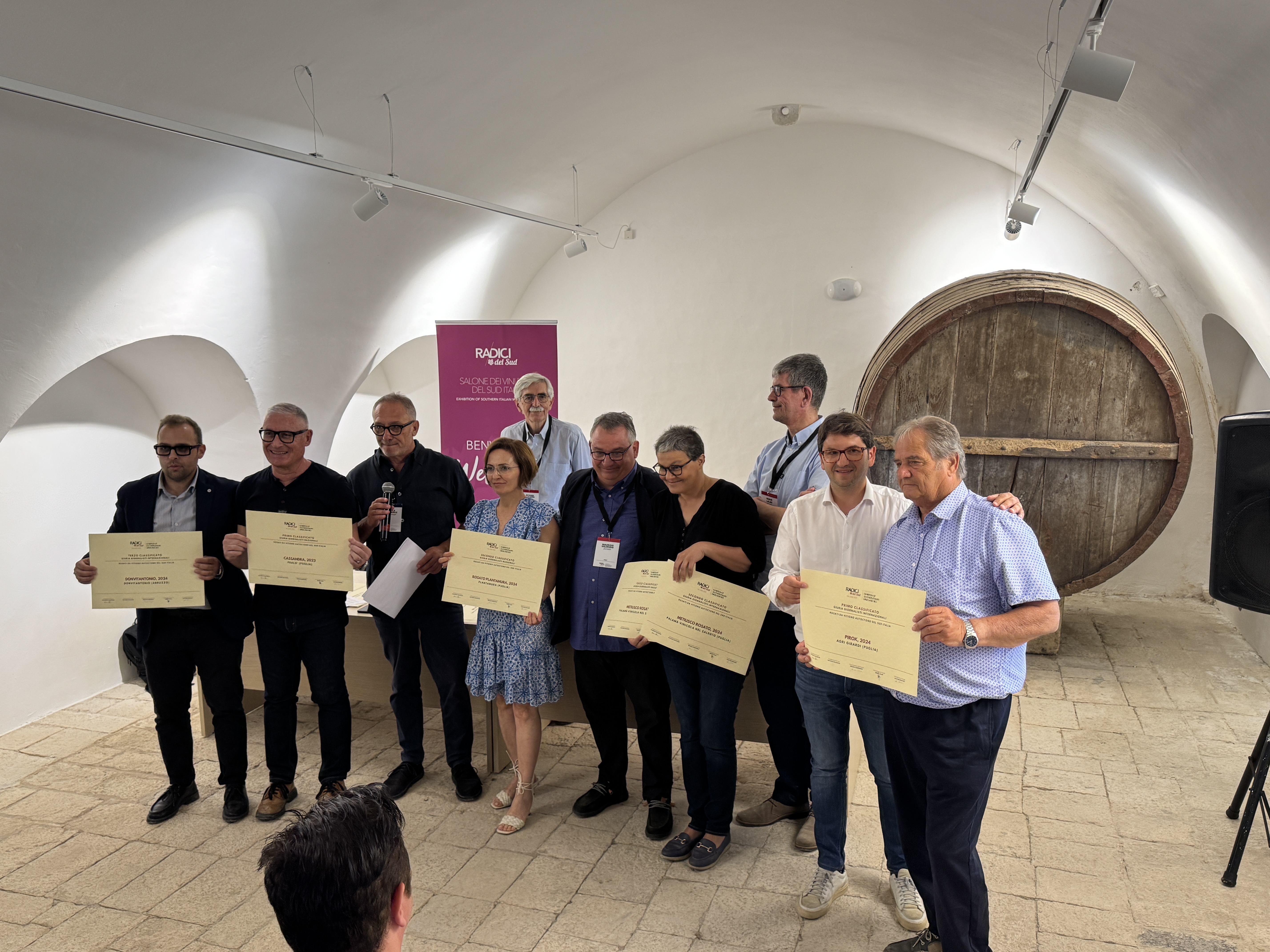
Radici del Sud rosato winners
After a week at Radici del Sud’s XX event focusing on the wines of southern Italy, IMHO Pulgia should pull out all the stops and promote Rosato, which is Italian for a pink wine made from red grapes. The winning Rosati at Radici del Sud came from Primitivo and Puglia, where rosati comes in many hues, styles, and textures— something for everyone! And much of it is very affordable. Do I have your attention yet?
In four teams, we tasted blind and judged over 200 wines— two teams of wine writers from Italy and two teams of international wine writers with half of the wines tasted by a set of international and national judges. Wines came to the tables in dark bags and were poured in flights of six by sommeliers. We tasted in three sessions over two days with wines grouped by similarities — sparkling, whites, rosati, reds, with large common categories of whites like fiano and falaghina together and reds like primitivo and aglianico together. The rosatos were also grouped by grape variety. There was even categories for less common grapes of the south divided between whites and reds. So it wasn’t a true blind tasting where you have to come up with everything: we knew grapes, vintage, region, whether a wine was organic or not but we didn’t know who made the wines.

Pietraventosa’s 85% Primitivo 15% Aglianico rosato
Following the awards ceremony, many producers were there sharing their wines— including their rosati!
As Radici del Sud taught me, there’s a wide range of Italian Rosati with variation in color, acidity, grape source — you name it. While the main method to make rosato is only a brief contact with the grape skins to give the wine the desired color –sometimes only as long as it takes to get the grapes from the vineyard to the press to several hours— at Radici del Sud I also tasted saignee wines where the rose is made from bleeding off red grapes intended for red wine, and there may have been one or two where they blend a little red wine in with white grapes to make it the desired color of pink. (Here’s a brief aside about RAMATO, another pink wine usually from northern Italy and usually made from Pinot Grigio!)
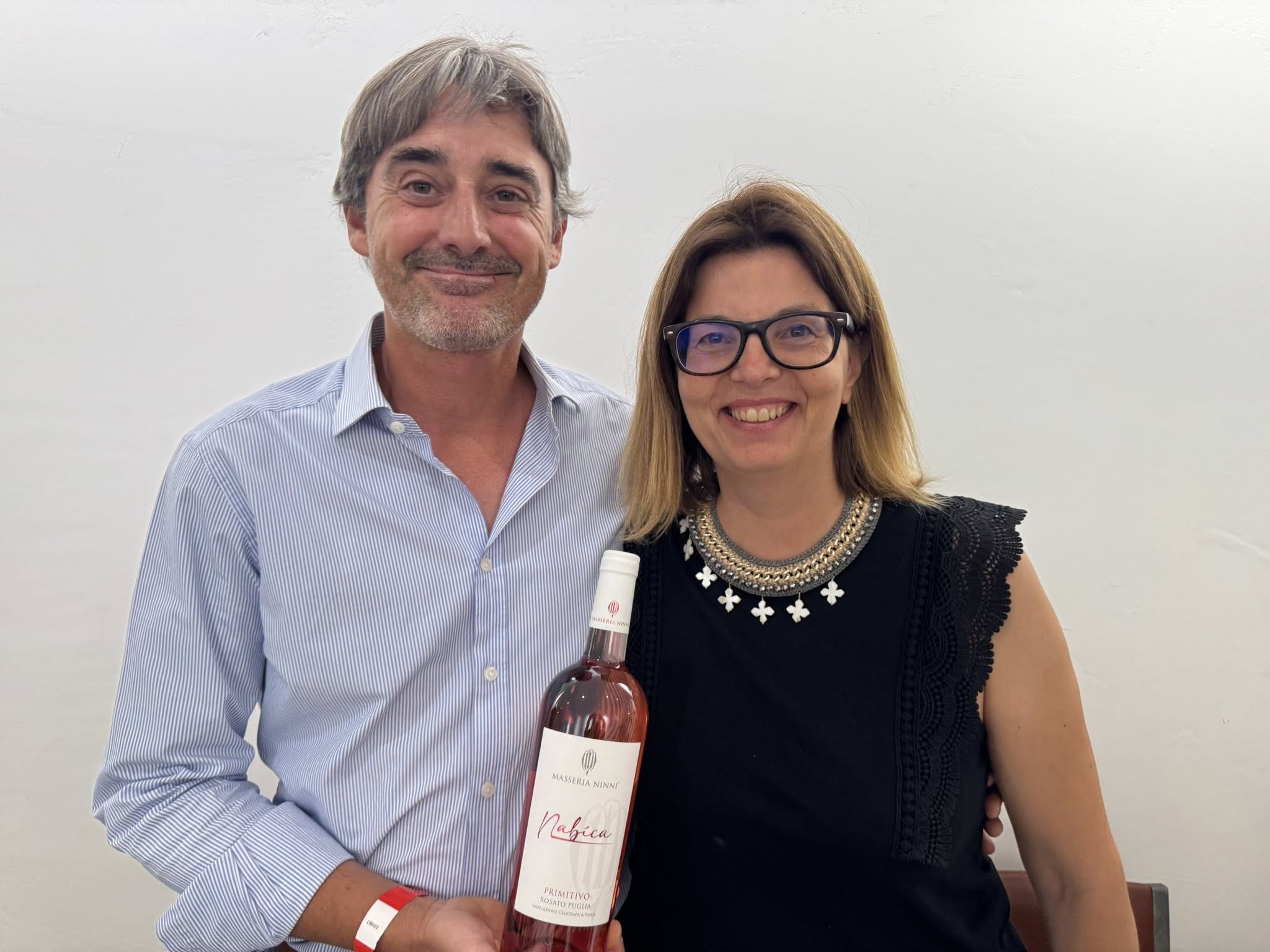
Masseria Ninni
Another method for making rosato that doesn’t come up often is “racemic” rosato from Primitivo, a rosato made from the second harvest of grapes off the vine, which is not a common practice either. Primitivo is one of those grapes that doesn’t ripen evenly on the vine or in the bunch, is it can make sense to pass through the vineyard twice.
“There were a few producers making primitivo rosato from the racemi, the second harvest, that I found really interesting,” said Nikki Dickerson, a buyer attending Radichi del Sud for the first time, and author of “Sip with Nik.” “I hadn’t had a wine made exclusively from those grapes. They had great structure, acidity, and were higher in alcohol but still well-balanced. Something unique for me.”
“I would say the DOCG rose stands out,” said buyer Howard Jollenger, while fellow judge Alessia Canarino aka “God Save Wine” told me “I found the overall quality of Puglia roses outstanding. Some samples were very unique in style and quality.”
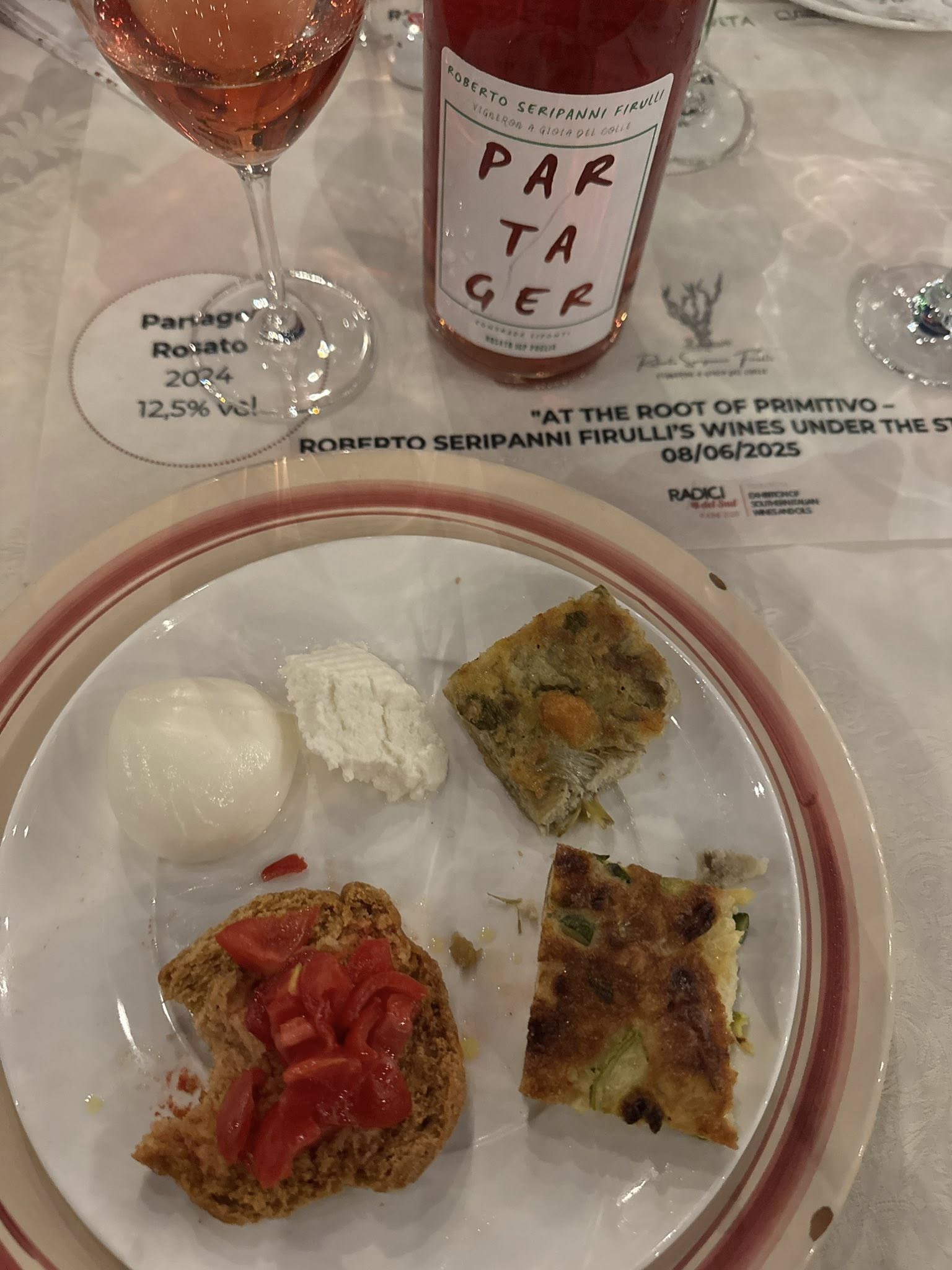
rosato from Puglia’s Roberto Seripanni Firulli with small bites
But before I get to the winning rosati from Puglia’s Primitivo, I have HONORABLE MENTIONS! While at Radici del Sud I tasted and judged wines from all over southern Italy with lots of them rosato, two of my favorites wines overall were sparkling rosatos (of course!).
- One was from Basilicata: a 2014 sparkling rosato “La Stipula” made from Aglianico coming from the Basilicata winery Cantine del Notaio earned 90 points from me with its vibrancy, power, full body, and balance, and winning first place from the international jury.
- From Puglia, Vignuolo’s organic 2024 “Primavera Frizzante” made from Bombino Nero earned 90 points from me as it enticed and engaged me with its cloud of pink foamy bubbles and cherry sapidity. This wine won second place from the international jury.
- At our kickoff party, I was also enamored by Giovanni Aiello’s series of experimental wines he calls “play” which included a memorable sparkling rosato, but this series is in limited release (IYKYK!)
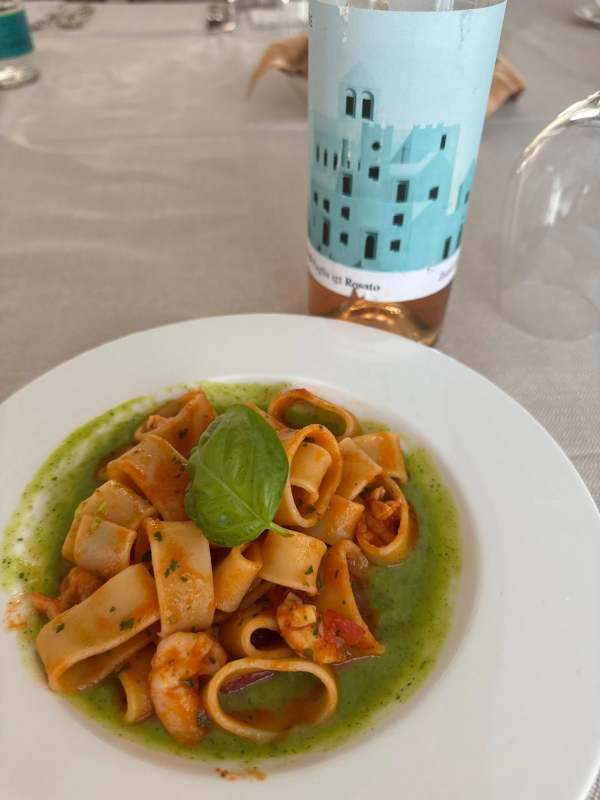
Domus Hortae rosato
- And I can’t NOT mention the 2024 Nero di Troia still rosato, full of sapidity and cherries from organic Domus Hortae, as well as the 2024 Susumaniello “Zuzu” rosato which comes from a grape that’s very dark inside and outside, has low acidity, soft minerality, cherry and strawberry fruit with white peach on the finish. I visited Domus Hortae the day before Radici del Sud and while they usually participate, they didn’t this year so I don’t think I should include them in this list.
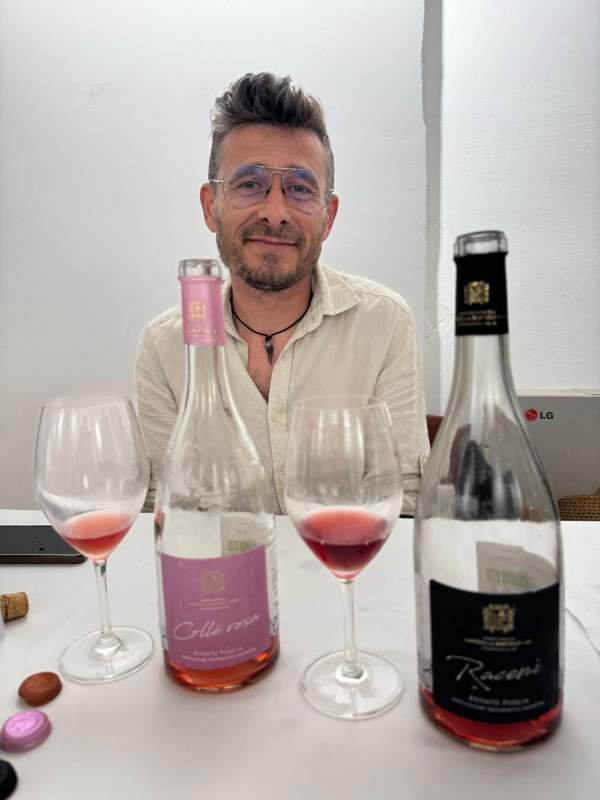
Puglia rosato from Negroamaro by A.A. Lanzolla Bartolomeo
- Finally, I must mention organic A.A. Lanzolla Bartolomeo’s “Colle Rosa” from Negroamaro which I gave a score of 88 finding the deep color and subtle aromas of cherry alluring, and the lovely cherry on the palate whispers “take me to a party!”


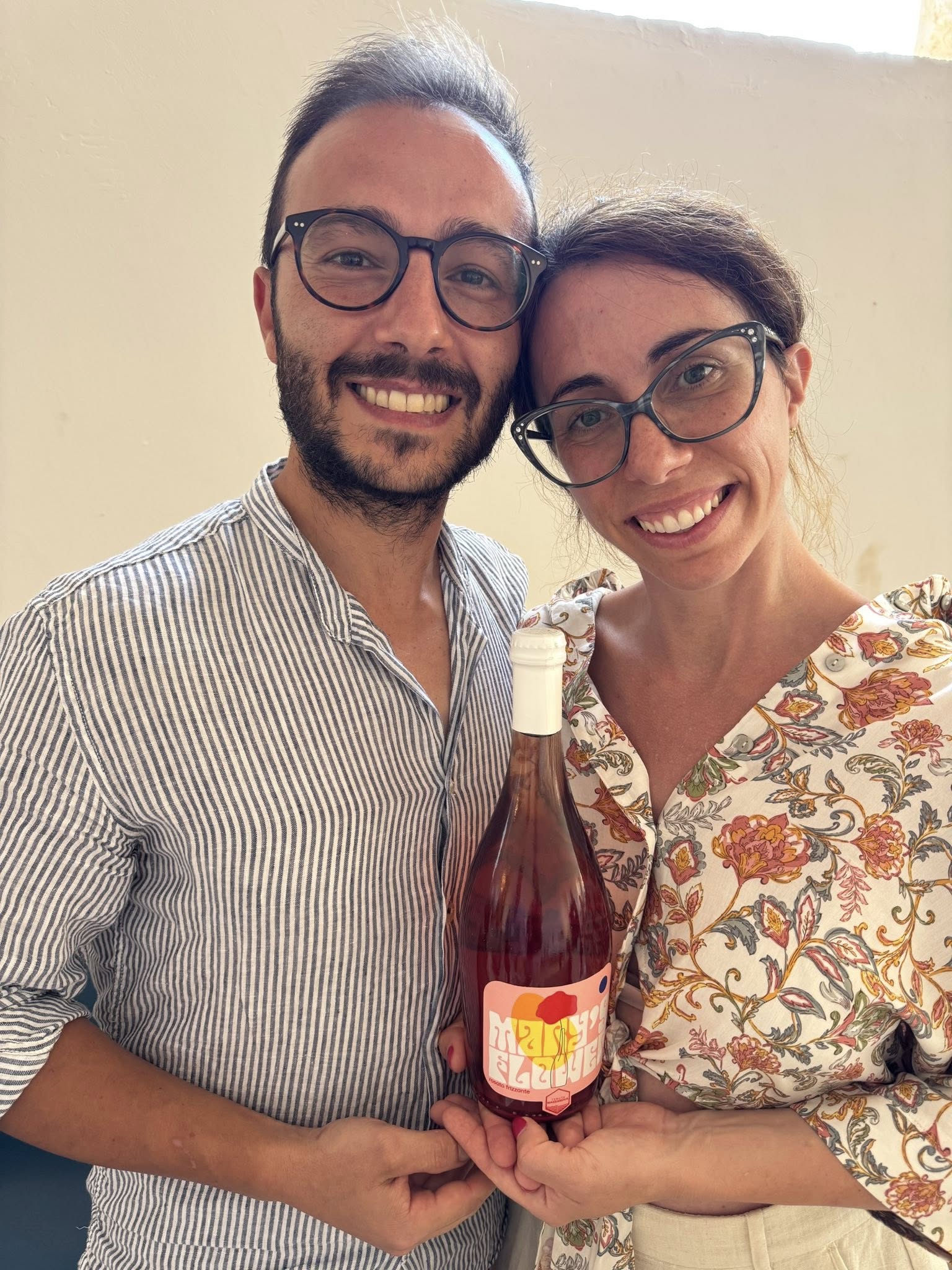
rosato from the south of Italy
Now here are the two winning still rosati from Puglia made from Primitivo. a grape genetically similar to Zinfandel (which likely arrived in the US from Italian immigrants as “suitcase” cuttings).
The Rosato from Primitivo in Puglia is not the sweet “white” Zinfandel that my grandmother drank, but a more restrained, elegant wine with much lower residual sugar— so low that most palates will find the wines “dry.”

Plantamura’s new rosato is certified organic
Only about 10% of wineries in Puglia are certified organic and so I was happy to visit one of them as our first stop on our first full day of visits. Azienda Plantamura achieved certification in 1996, has a coveted Snail from SLOW WINE, and is imported to select states in the US. They only grow Primitivo aka Zinfandel and their daughters pushed them to release their first rosato this year, a wine which offers beautiful, crisp fresh cherries and salted watermelon. The salinity comes from the stony calcareous vineyards. Vines are all eligible for the old vine registry which has a minimum of 35 years, and were planted by Mariangela’s great grandfather. Their daughters are studying wine and marketing to carry on the tradition.
“Rosato Plantamura” earned second place from the national judges, and I gave it an 88, writing in my notes that it was a very pretty pink, with subtle earth and fruit aromas, and elegant on the palate. I was surprised that it wasn’t a winner from the international judges as I thought it showed very well.
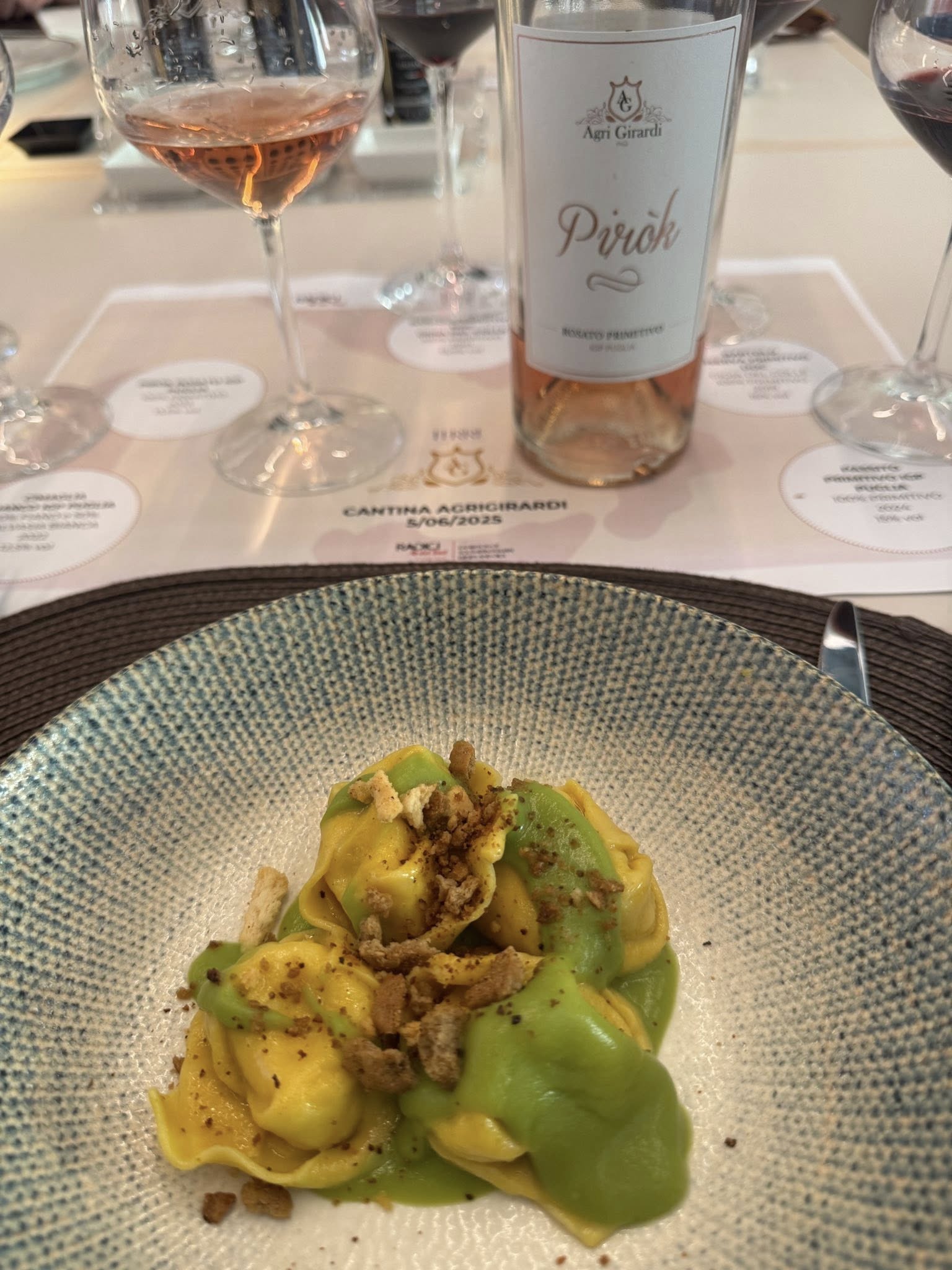
Pirok from Agri Girardi
For our second winery, and for lunch, we went to the Agri Girardi restaurant Terre. The food was off the hook featuring local Puglian foods and flavors beautifully presented. We met father Bartolomio and son Francesco, and the chef too. I loved the freshness of the whites and the rose “Pirok”, but chose the passito with the velvet label to take with me when offered the opportunity.
Pirok came in first place with the international judges. My notes say very pretty with aromas of spiced strawberries and raspberries, with the aromas on the palate as well as raspberry vines. Overall I found it a delicious wine— sweet from the fruit with salinity, balanced and pleasurable. Our form indicated that the wine was organic. My score was a 90.
I hope this inspires you to go find some rosato from Radici del Sud! The plenty to choose from!
For more rosati from Puglia, check out this article.
If French rose is more your style, check out these organic wines from Luberon or these from Cotes de Rhone.
Or stay tuned— up next are rose from Ventura County along with a link to a recent article in the Ventana Monthly about visiting them!
And another rosati from Puglia along with more wines from Southern Italy.
 wine predator.............. gwendolyn alley