
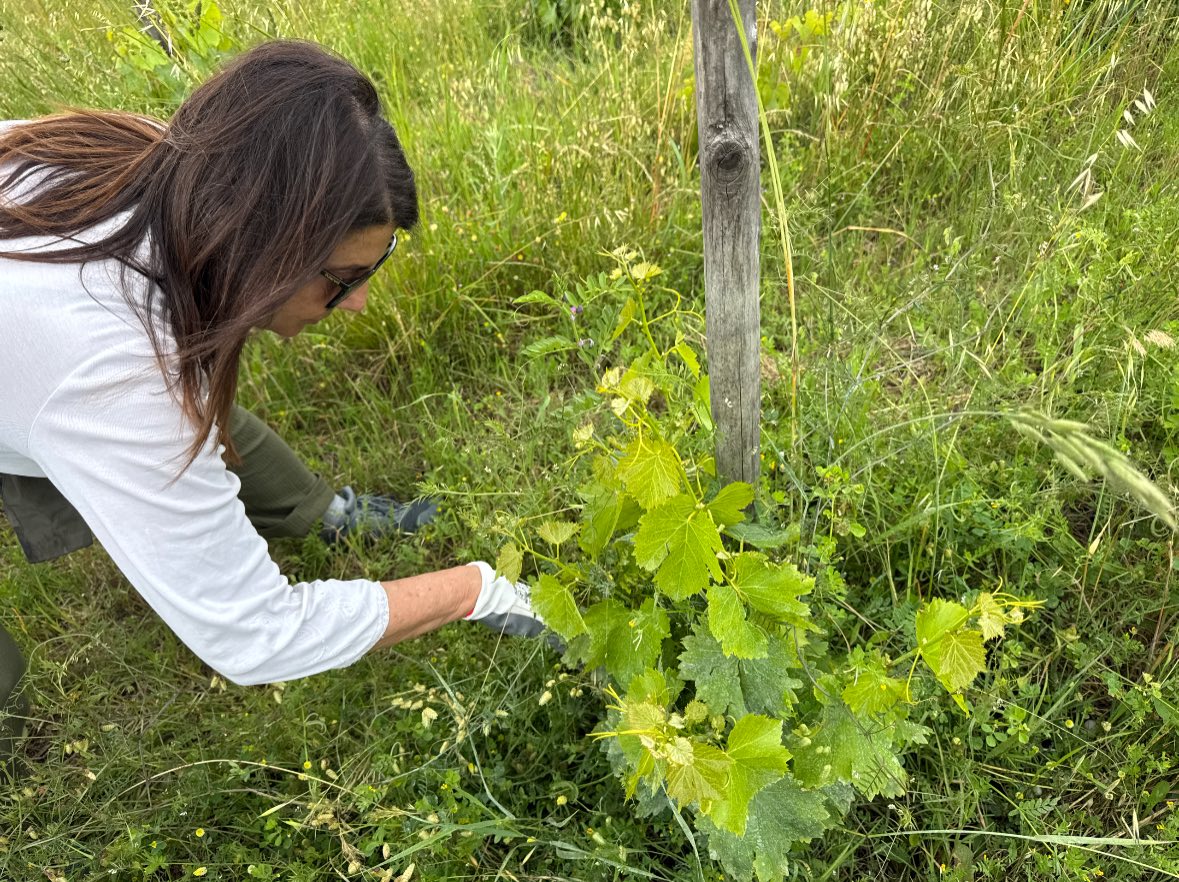
Winemaker Antonella Manuli inspects a young La Maliosa vineyard she owns that’s full of biodiversity
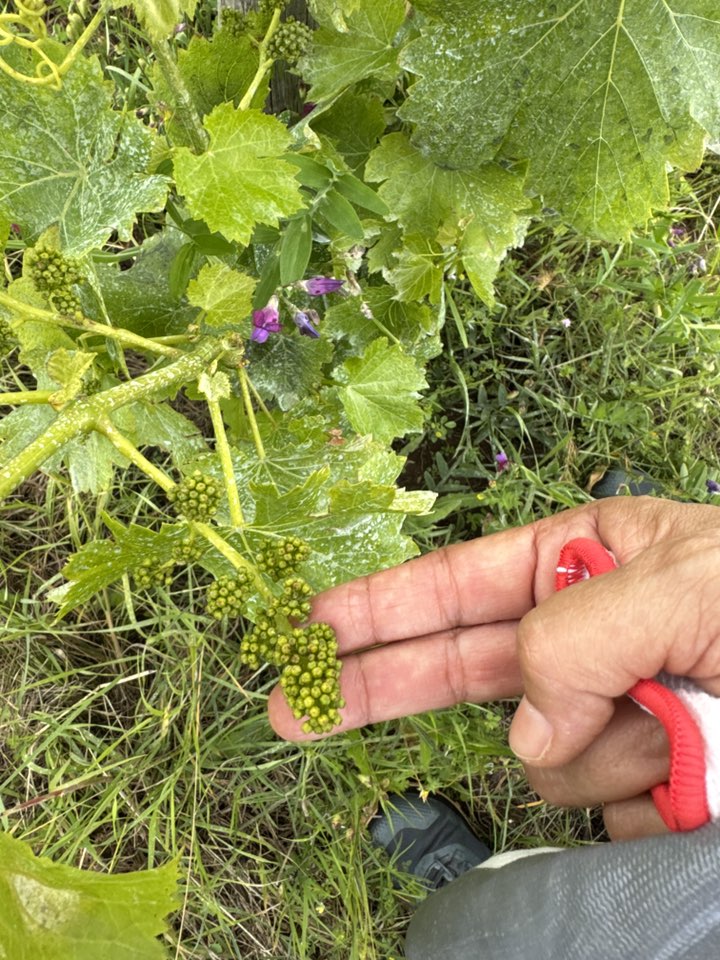
Procanico cylindrical clusters spread out on the stem
Formerly cultivated widely in the Maremma and the Tuscan archipelago, Procanico was almost completely abandoned because it didn’t adapt to increased mechanization as well as the trend in Tuscany towards making wine from international varieties.
But Procanico’s vigour and hardiness allows it to withstand challenging weather conditions including high summer temperatures, droughts, and storms common in these territories during harvest making it an excellent candidate as we propel forward to a changing climate with unexpected and dramatic shifts. Procanico grapes produce a wine that offers a complex structure with tannins surprising for a white wine and a complexity of fruits and herbs that work well with food.
According to FAOʼs “Third Report on the State of the World’s Plant Genetic Resources for Food and Agriculture”, genetic diversity is key to creating more resilient agrifood systems that withstand challenges such as shifting climate patterns. Since 80 percent of the food we consume is plant-based, preserving a wide range of genetic materials allows farmers to grow crops and varieties suited to their local environments, enhancing food security and livelihoods, states a Slow Food press release.

Biodiversity in the vineyard makes for healthy soil and vines and planet; this purple pea, a legume, provides nitrogen to the roots of the vines
“Dedicated policies for agricultural diversity in the fields are absent in many countries or do not adequately involve all stakeholders,” says Edward Mukiibi, president of Slow Food, and a self-described seed farmer. “In all 128 countries that contributed to the FAO report, instead, the presence of informal seed systems emerged, consisting of farmers and local communities that play a central role in the conservation of agricultural biodiversity and in defending farmers’ rights. We need a legal framework that can sustain and grow agroecology, which offers a pathway for a transition towards sustainable food systems. We also seek support from institutions at all levels, to counter the serious risk to global food security.”
According to the International Day for Biodiversity, the 2025 event seeks to:
- Bolster public awareness of the centrality of biodiversity to all life on Earth, including socio-economic challenges such as poverty and inequality.
- Call for the rapid preparation of National Biodiversity Strategies and Action Plans (NBSAPs) leaving no one behind.
- Highlight the importance of seizing synergies at all levels, including through a whole-of-government, whole-of-society implementation, with the UN system bringing its support to national actors through consolidated UN Sustainable Development Cooperation Frameworks.
- Encourage bolder initiatives by all actors, including the private sector, civil society and the media to communicate biodiversity science and initiate the required transformations to decouple socio-economic progress from the destruction of nature.
In its resolution A/RES/55/201 dated 8 February 2001, the United Nations General Assembly proclaimed 22 May as the International Day for Biological Diversity to increase understanding and awareness of biodiversity issues. This date commemorates the adoption of the text of the Convention on Biological Diversity (CBD) on 22 May 1992.
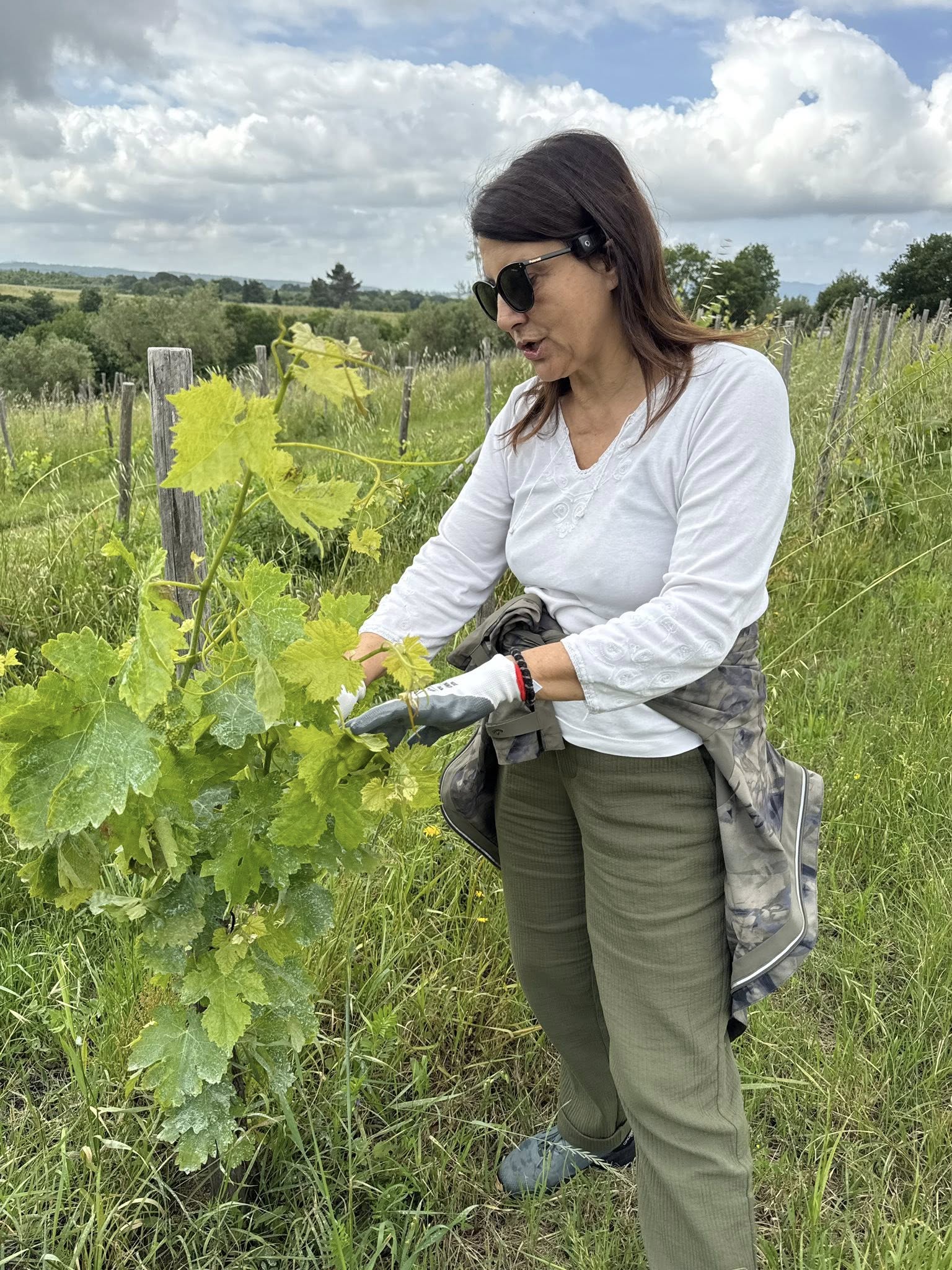
Antonella Manuli in one of her vineyards May 22, 2025, Maremma, Tuscany
With her patented regenerative agricultural philosophy “Metodo Corino”, Antonella works to preserve and create biodiversity in a number of ways including leaving at least one acre wild for every one planted, cover crops, no tilling, championing and recovering rare and indigenous “forgotten” and almost lost grapes, and more. The Maremma is a dry region, and when rain falls, it hits plants first, breaking up the drops before they reach the earth, each precious drop of rain naturally conserved in the deep mulch and the spongey volcanic soil.
In one newer vineyard, Antonella planted vines among large older olive trees already growing there in the traditional way. Even though the hillside previously had no sign of vines, the way the olive trees were aligned indicated the location of a vineyard there previously.
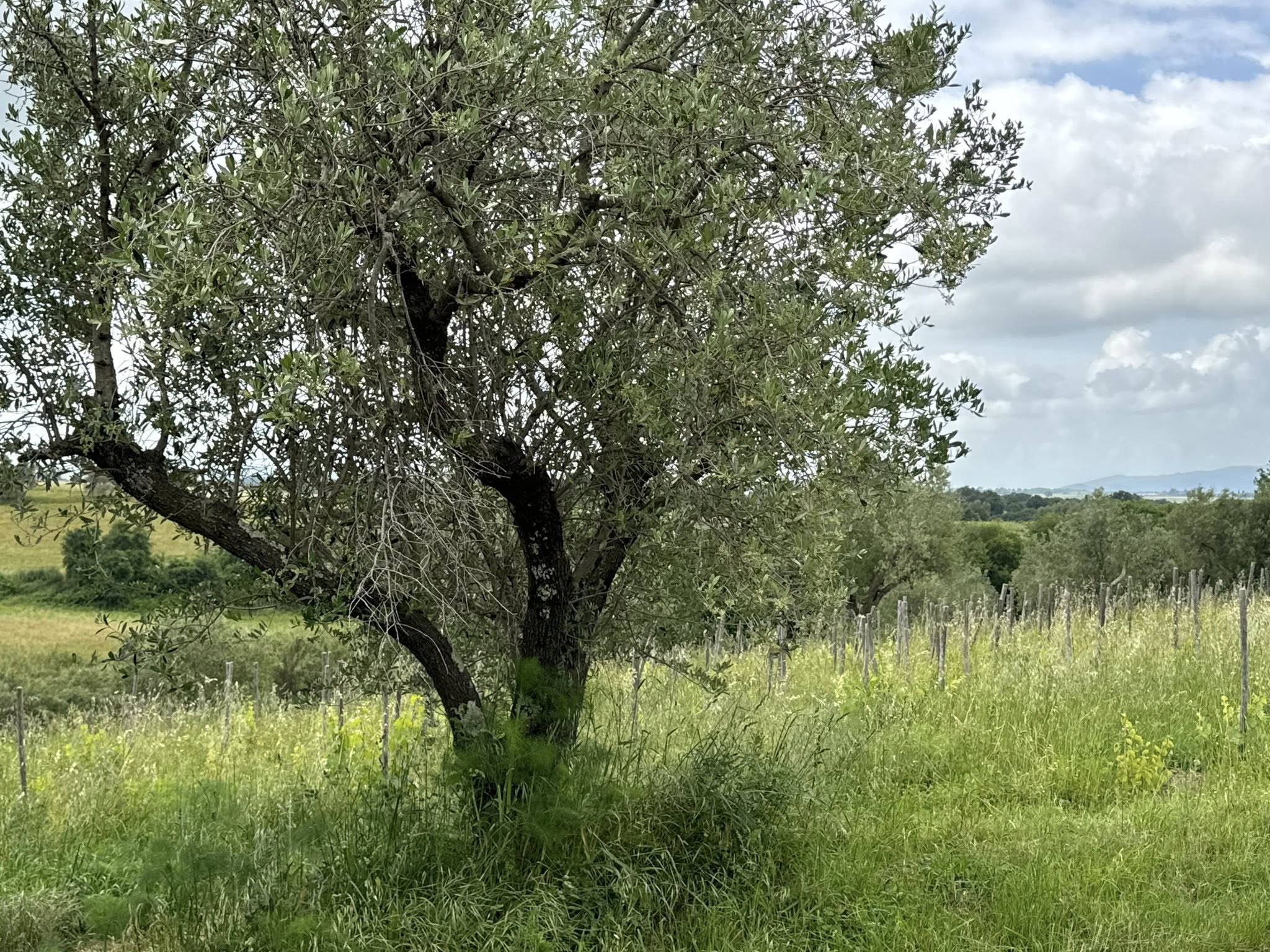
olive trees dot the vineyard in the traditional way at La Maliosa
This evening, we enjoyed the fruits of Antonella Manuli‘s labors at her restaurant Saturnalia Wine Bar in Saturnia, Tuscany, while toasting World Biodiversity Day with Uni, Fattoria la Maliosa‘s revival of the Procanico grape as expressed as an orange wine with three weeks’ skin contact that produces a brilliant, vivid amber color. Many of these grapes that went into the 2023 are actually considered old vines at 35 years old; we visited these older vineyards earlier today.
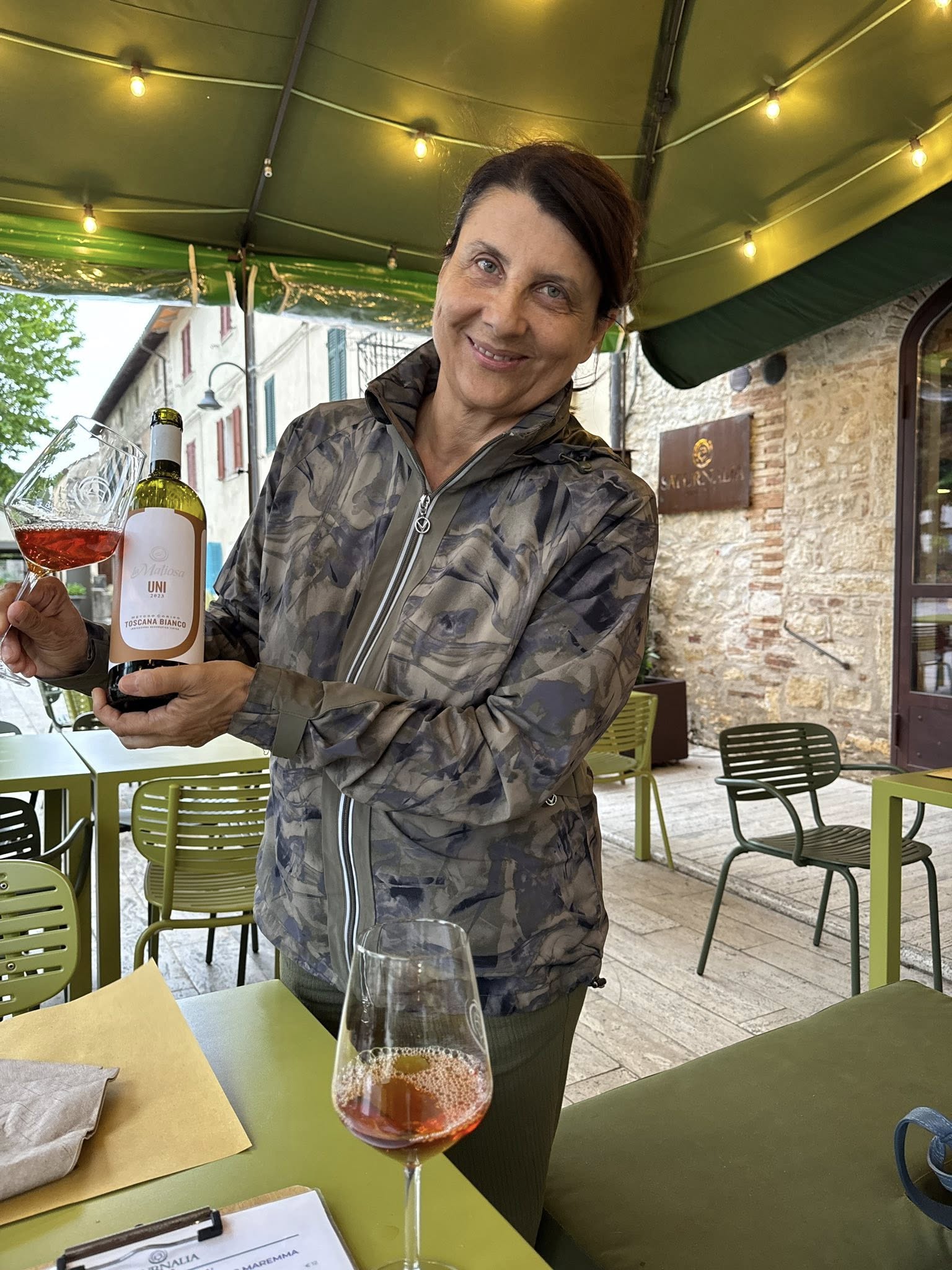
Antonella Manuli and her 2023 Procanico at her Saturnia restaurant Saturnalia in southern Tuscany near where the Procanico vines grow and the wine is made at La Maliosa
This “orange” Procanico wine has intense aromas of apricot and spice, with apricot also on the palate, and a lovely mouthfeel with a spirited note of fresh mint mid-palate. At Saturnalia, I selected gnocchi in pomodoro sauce made in-house with tomatoes at their prime during the season then shared the rest of the year— so much fresh flavor! When the gnocchi was gone, I loaded the bread with the remaining sauce. So good— and with this wine? Wow.
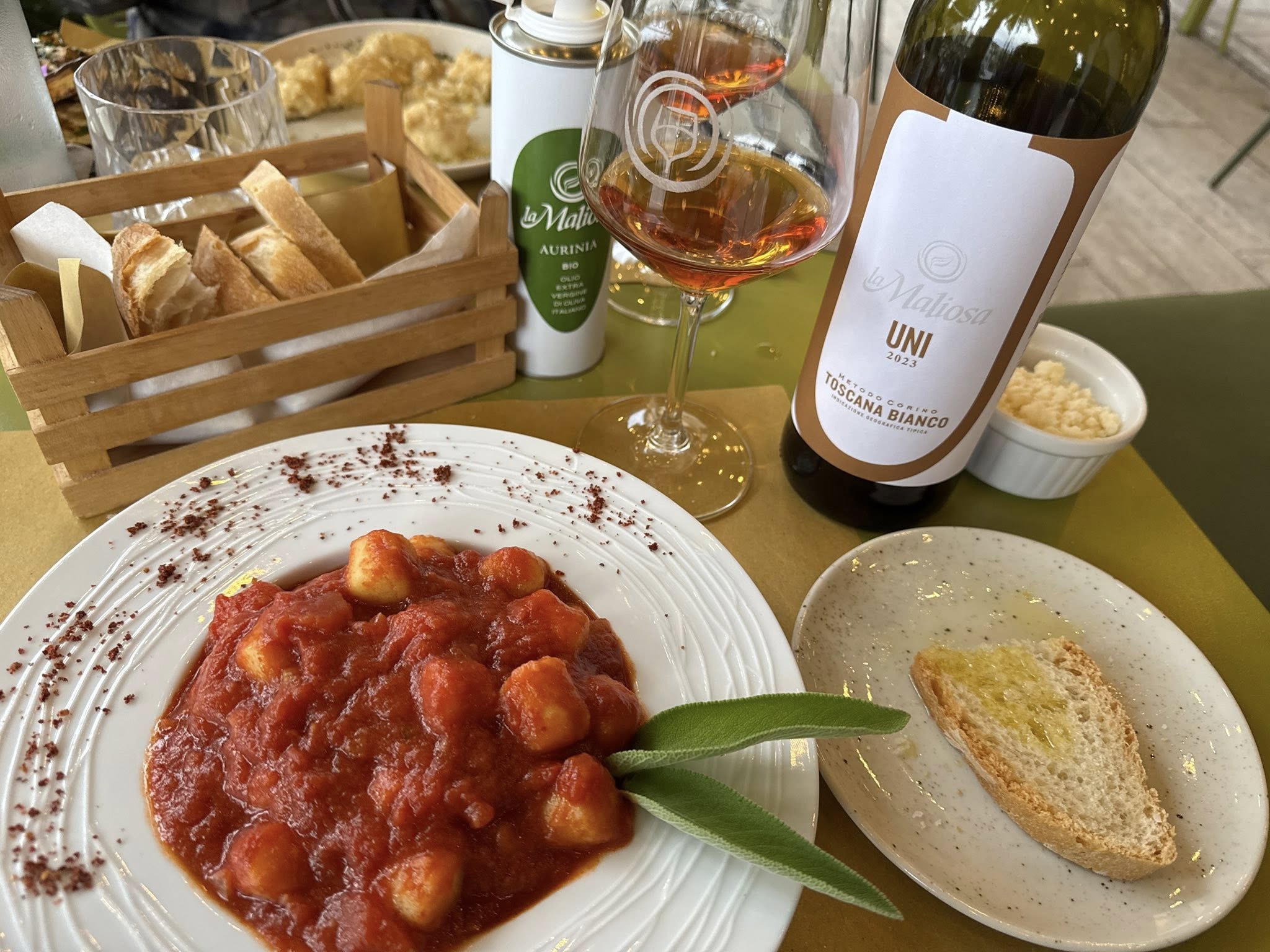
Procanico and gnocchi
Happy #InternationalBiodiversityDay! How are you celebrating World Biodiversity Day?
Stay tuned by subscribing to Wine Predator and to my Art_Predator Instagram! I have lots of great content waiting to be published plus reports from this trip! Cheers!
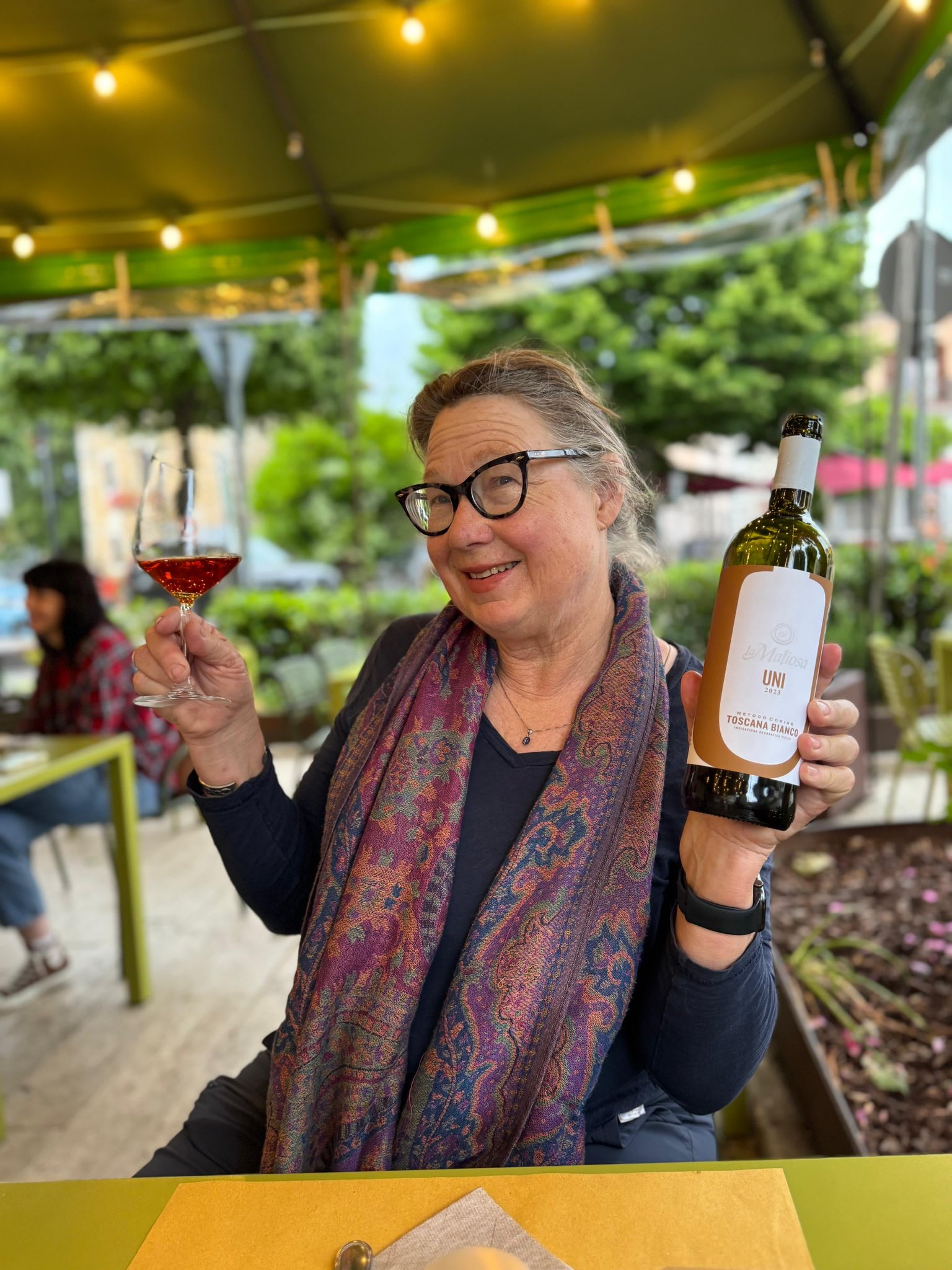
Gwendolyn Alley with La Malissa’s Uni Procanico (photo taken by Antonella Manuli at Saturnalia in Saturnia)
 wine predator.............. gwendolyn alley